Galp Slides Over 4% as PSI Sinks on the Trump-Iran Hormuz Accord — Brent Drops Toward $83 Ahead of the 19 June Switzerland Signing
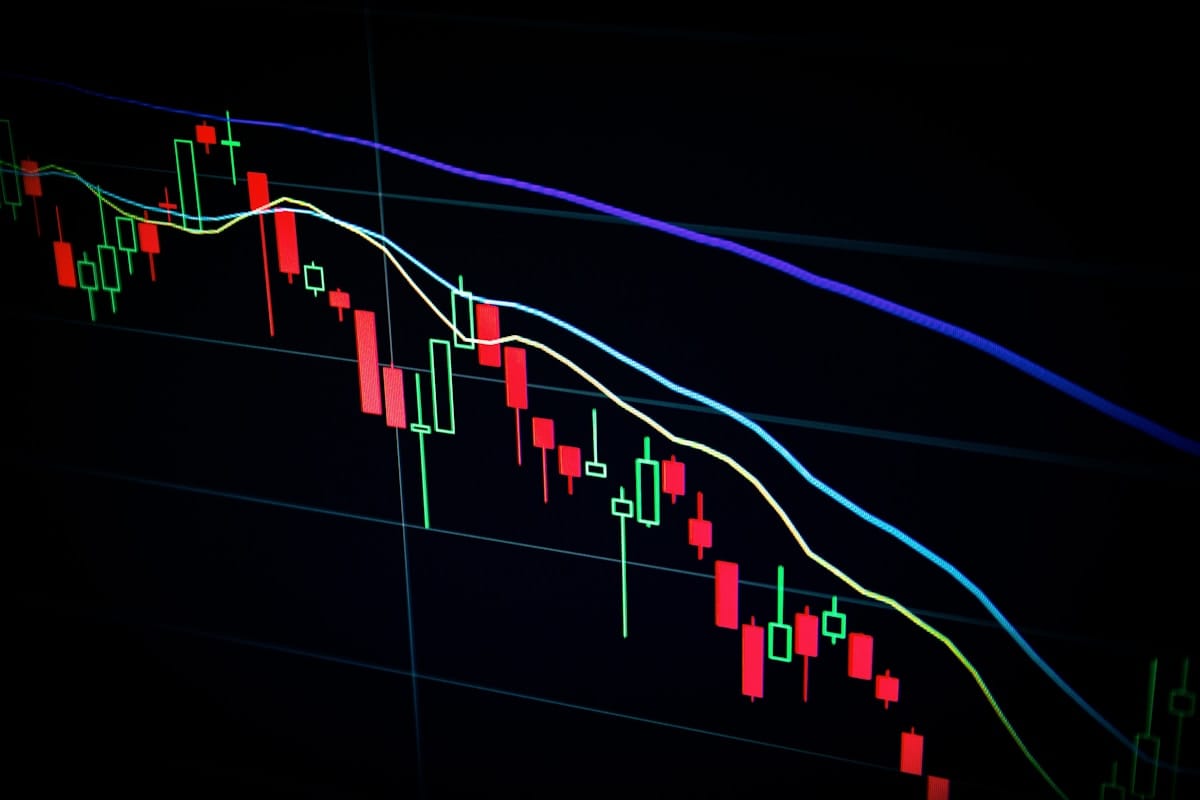
Galp Energia (Galp) opened Monday 15 June 2026 sliding more than 4% in early Lisbon trading, dragging the Portuguese Stock Index (PSI) into the red alongside Energias de Portugal (EDP), as global crude prices crumbled on news of a Trump-Iran accord clearing the way for the re-opening of the Estreito de Ormuz (Strait of Hormuz). Brent crude fell roughly 5% to a $82.9-per-barrel handle, with West Texas Intermediate (WTI) trading near $81; European natural-gas futures dropped 5.8%.
The deal — announced by US President Donald Trump on Sunday — is set to be formally signed in Switzerland on Thursday 19 June 2026, per Pakistani Prime Minister Shehbaz Sharif. The accord pairs the Hormuz re-opening with a Lebanon ceasefire clause that Tehran had set as a non-negotiable. Around 600 vessels are queued near the strait awaiting operational clearance.
Why Galp moves the PSI
Galp carries one of the heaviest weightings in the PSI, alongside EDP and Banco Comercial Português (BCP, Portuguese Commercial Bank). The energy major's revenue mix swings hard with crude — upstream exploration and production economics, refining margins at the Sines and Matosinhos complexes, and downstream fuel pricing all track Brent on a near-day basis. With Brent climbing toward a $126 peak during the Hormuz closure earlier in 2026, Galp had run sharply higher in May; today's reversal partially unwinds that move.
EDP's slide reads as a derivative trade. Lower oil pulls down forward European natural-gas curves, which compress the spark-spread economics on EDP's combined-cycle gas turbines and the implied wholesale price into the Mercado Ibérico de Eletricidade (MIBEL, Iberian Electricity Market) pool. Both moves bleed into the PSI weighting math, knocking the index off Friday's +2.6% week close at 9,093.82.
The macro reset
The Hormuz corridor handles roughly one-fifth of seaborne crude oil and a comparable share of liquefied natural gas. Spring prices had climbed on shipping insurers walking away from Very Large Crude Carrier (VLCC) charters through the strait, with cargo turnaround backed up at Fujairah and Khor Fakkan. The accord, if it closes as advertised in Switzerland, restores that flow within weeks — with implications running well beyond Iberian energy equities.
European Central Bank (BCE) President Christine Lagarde welcomed the framework but cautioned that the agreement 'is not the end of the Iranian crisis,' flagging that sanctions re-lift mechanics in Germany, France, Italy and the UK remain on a separate track. The Portuguese banks' Capital Markets Day (Novobanco IPO window, BCP buyback completion, Caixa Geral de Depósitos — CGD, General Deposit Bank — stake plans) opens this week in Lisbon under that backdrop.
What This Means for Expats
- Fuel prices at the pump: Wholesale fuel pricing tracks Brent on roughly a one-to-two-week lag at the bombas (petrol stations). If the accord holds, expect petrol and diesel prices to ease from the recent ratchet through July, with the Imposto sobre os Produtos Petrolíferos (ISP, Petroleum Products Tax) layer staying fixed.
- Heating and gas bills: The 5.8% drop in EU natural-gas futures will feed into regulated and free-market gás natural (natural-gas) tariffs through subsequent ERSE (Entidade Reguladora dos Serviços Energéticos, Energy Services Regulator) updates.
- Portfolio exposure: PSI tracker funds and Galp-heavy positions inside a Plano Poupança Reforma (PPR, Retirement Savings Plan) take a paper hit on the open; longer-term Brent normalisation tends to neutralise.
- Mortgage holders: Lower crude eases the headline inflation print, which keeps the Euribor 6M reference (above 2.38% at last print) on the BCE's prevailing trajectory.
Thursday's Switzerland signing is now the principal markets waymarker. If the Lebanon side of the package frays — a recurring risk through the spring — the unwind reverses fast.