Friday's RJUE Decree Pairs With Monday's RGEU Sunset — Portugal's Biggest Procedural Housing Reset Since 1951 Lands This Week
The DR published Friday's RJUE decree on 30 May, recasting comunicação prévia and ending câmara formal-verification, while today's 1 June RGEU sunset hands the technical-rule layer to the new Código da Construção. The biggest single procedural housing reset since 1951.
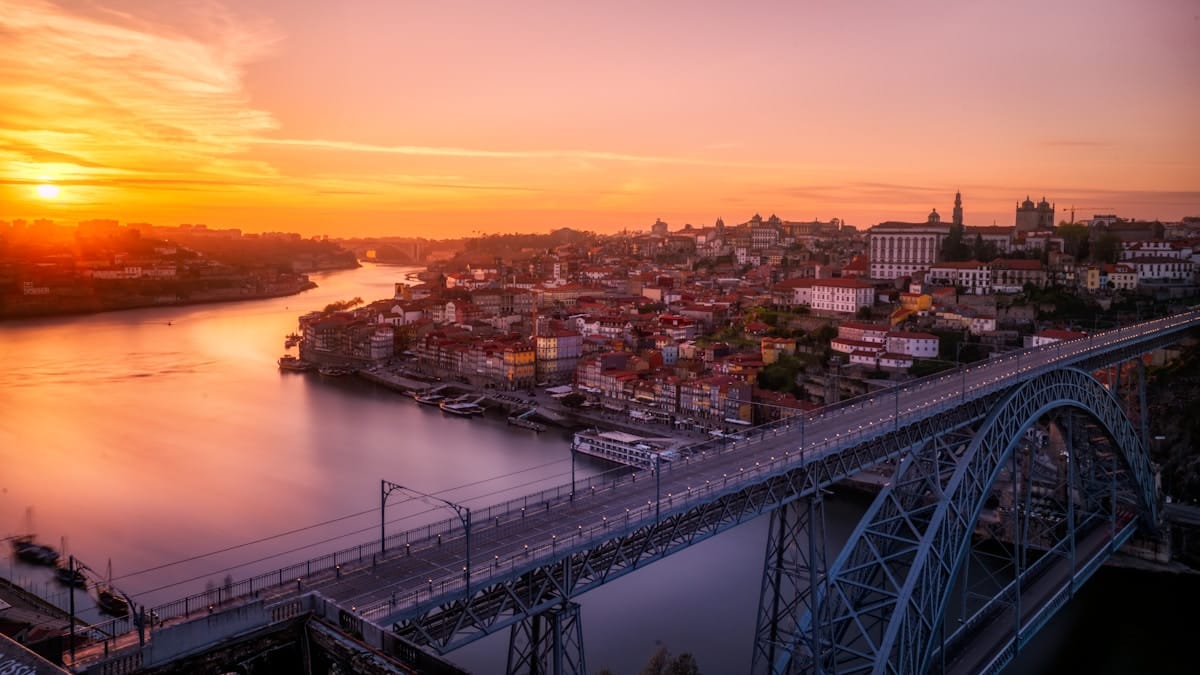
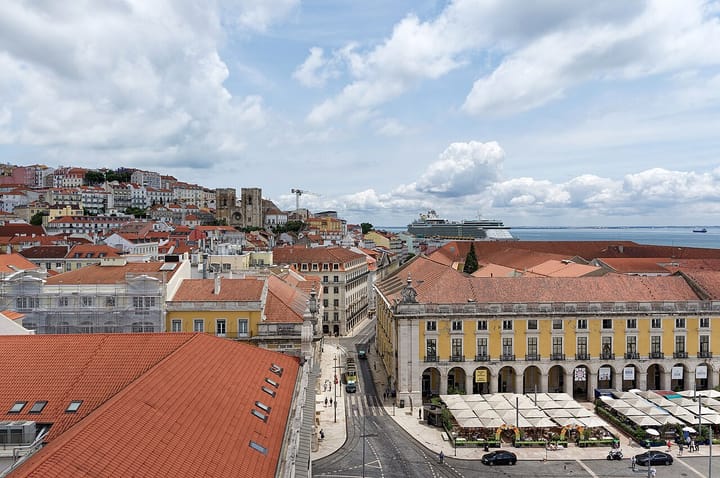
Portugal's housing-permit machine is being rewired this week in two strokes. On Friday 30 May 2026 the Diário da República published the decreto-lei that overhauls the Regime Jurídico da Urbanização e Edificação (RJUE) — the procedural framework that governs how a municipal câmara processes a building request — and on Monday 1 June, today, the parallel sunset of the Regulamento Geral das Edificações Urbanas (RGEU), the 1951 technical regulation that has defined what a habitable building looks like in Portugal for three-quarters of a century, takes effect. Together they reset both the how and the what of Portuguese construction at the same moment, the largest single procedural reform the housing stack has seen since the post-war reconstruction decade.
What the RJUE Decree Actually Changes
The headline shift is the recasting of comunicação prévia, the procedure that already accounts for the bulk of private-construction filings. The decree eliminates the câmara's fase de verificação formal on prior-communication files and collapses the project-submission step into a single information-presentation moment, after which the developer is cleared to start works without waiting for an administrative act. The câmara retains fiscalização posterior — site-stage and completion-stage inspections — and a strengthened nullity-declaration track shortened to 90 days from initiation, with a closed list of grounds. The notary act on a sale must now state whether the building has a current licença de utilização, surfacing a permit-status flag at the property-transfer step where buyers and lenders see it first. Order of notaries and IMPIC officials presented the change in joint statements on Friday as a deregulatory move calibrated for a single objective: clearing the housing-construction queue.
What the RGEU Sunset Replaces
The RGEU, originally Decreto-Lei 38382/1951, has prescribed the minimum technical requirements for Portuguese buildings — ceiling heights, window dimensions, sanitary layouts, ventilation, structural redundancy — since the Salazar era. Its sunset on 1 June 2026 hands the technical-rule layer to the forthcoming Código da Construção, the unified building code being coordinated by IMPIC with the Laboratório Nacional de Engenharia Civil. The code is performance-based rather than quantitative, framed around outcome standards for habitability, energy and safety rather than the metric prescriptions the 1951 text used. Technical rules within each performance area will be set by the relevant ordens profissionais rather than by ministerial portaria. Until the Código da Construção is fully gazetted — a process the Government has acknowledged will run into the autumn — the technical reading is governed by transitional provisions referencing the RGEU's substantive content while the new framework comes online.
What This Means for Anyone Building or Buying in Portugal
- Prior-communication speed-up is real. If your project files under comunicação prévia and the câmara takes the new framework on at the same pace as the gazette publication, you are looking at days to start works, not the multi-month limbo familiar from previous filings.
- Permit-status flag at notary. Buyers signing escrituras will now see the licença de utilização question on the deed itself — a useful safeguard if you are buying older stock where the permit history is opaque.
- Risk shifts to post-completion. The câmara's leverage moves from blocking the start of works to challenging the finished build. If you self-promote, the inspection-stage paperwork carries more weight than ever.
- Architects, engineers and notaries hold more responsibility. The reform leans on the ordens profissionais to police technical compliance and on notaries to police permit disclosure. Pick credentialled professionals; the câmara is no longer the first line of error-correction.
- Transitional ambiguity through autumn. The Código da Construção is not yet a finished text. Files lodged in the next quarter should expect Câmara responses that reference both the new RJUE and the residual RGEU clauses — keep your project memorial flexible.
The Government's stated objective is to compress the average Portuguese building-permit timeline materially in the second half of 2026, on the back of the procedural reset published Friday and the technical-rule transition starting today. Whether the câmaras can absorb the change at the same speed the gazette demands becomes the binding constraint from here. On where the line falls between a licence, a prior communication and nothing, which building works need no council permission at all sets out articles 6 and 6.º-A of the Regime Juridico da Urbanizacao e Edificacao: the 10 square metre outbuilding, the 1.8 metre boundary wall, the solar panel limits, the heritage rule that cancels the whole list, and the legalisation route when something is already built.