Frente Comum Drives Adesão to 60-85% Across Friday's SNS Strike — North Reads 60-70%, South Spikes to 85% and Select Services Crack 100% as FNSTFPS Pushes Negotiation, Hiring and Professional Valorisation Demands
Friday's FNSTFPS strike pulled SNS adesão between 60% and 85% nationwide, with North hospitals at 60-70%, South spiking to 85% and some services hitting 100%. Frente Comum is demanding negotiation tables, hiring and career valorisation.
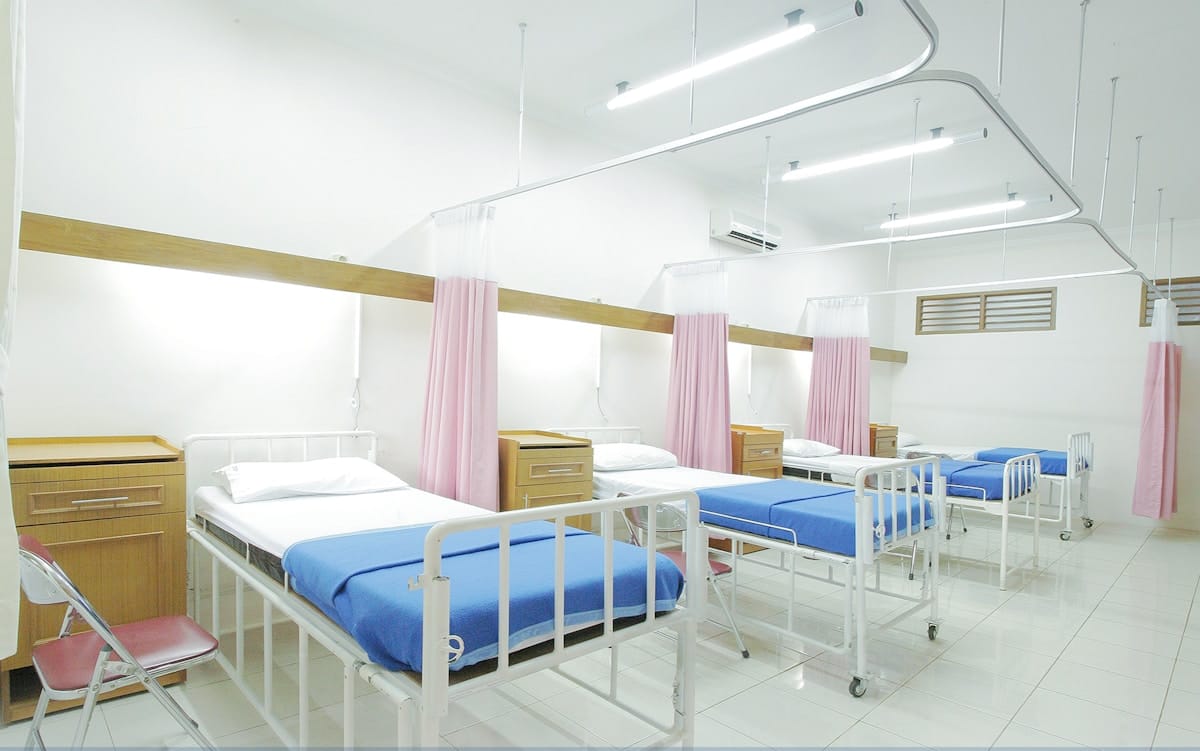
Portugal's Serviço Nacional de Saúde (National Health Service, SNS) absorbed a heavy hit this Friday after the Federação Nacional dos Sindicatos dos Trabalhadores em Funções Públicas e Sociais (FNSTFPS, National Federation of Public-Function and Social Workers' Unions) called all healthcare sector workers out on strike. Early union counts placed nationwide adesão between 60% and 85% by mid-morning, with several individual services — surgical blocks, central sterilisation units and some lab functions — registering complete shutdowns at 100%.
Elisabete Gonçalves, who leads the FNSTFPS federation that called the strike, told reporters that adesão in the North region (Norte) was running at 60-70% on first counts, while the South region (Sul) was spiking to 80-85% on partial data. The federation, which is part of the CGTP-IN's Frente Comum (Common Front) public-sector alliance, said the spread reflected the operational reality of the Algarve, Alentejo and Lisbon-and-Vale-do-Tejo hospital networks where minimum-services orders had been lighter than in the Porto and Braga ULS (Local Health Units).
What the unions are demanding
FNSTFPS framed the strike around four demands. First, the immediate opening of formal negotiation processes covering all SNS occupational groups — assistentes operacionais (operational assistants), assistentes técnicos (technical assistants), técnicos superiores de saúde (senior health technicians) and técnicos superiores de diagnóstico e terapêutica (TSDT, diagnostic and therapeutic technicians). Second, the dignificação and valorização profissional (professional dignification and valorisation) of those careers, code for pay-scale revisions and progression unlocks frozen since the 2011-2014 troika period. Third, a hiring plan to plug staff gaps that the unions estimate at over 12,000 across the SNS. Fourth, a structural review of working conditions, with the Frente Comum pointing to ULS São José, Hospital de Santa Maria and Hospital de São João as flagship under-staffing files.
What was disrupted
Centros de saúde (primary-care health centres) ran on skeleton staffing across most concelhos south of the Tejo, with scheduled consultations cancelled or pushed and walk-in atendimento limited to triage. Hospital blocos operatórios (surgical blocks) cancelled non-urgent surgery in several units. Urgências (emergency departments) operated on minimum-service decrees, meaning life-threatening cases were attended but non-priority complaints faced multi-hour waits. SNS24, the national tele-triage line, ran normally. Private-hospital activity was not affected.
What this means for expats
- Reschedule non-urgent appointments: If you had a consulta marcada at a centro de saúde or hospital público today, expect a cancellation notice via SMS or the Área do Cidadão on the SNS24 portal. Use the portal's reagendamento (rescheduling) flow to pick a new slot.
- Use SNS24 for triage: The 808 24 24 24 tele-triage line is operating normally. For non-emergency symptoms, call before walking in to confirm whether your local urgência is operating at full or minimum service today.
- Pharmacies and tests unaffected: Comparticipated prescriptions filled at private pharmacies continue to be reimbursed under SNS rules. Privately-run diagnostic laboratories (Synlab, Joaquim Chaves, Germano de Sousa) are not part of the strike call.
- Prepare for repeat actions: Frente Comum has signalled that this Friday is the opening salvo of a longer campaign. Expect further single-day stoppages through July if the Ministério da Saúde does not open negotiations at the requested table.
- Budget implication: Any wage-and-progression deal the government concedes to break the dispute will land in the State Budget for 2027 (Orçamento do Estado), tabled in October. That feeds through to the public-payroll envelope and, indirectly, to the deficit-to-GDP trajectory the Conselho de Finanças Públicas (Council of Public Finances) is already flagging.
The Ministério da Saúde, headed by Ana Paula Martins, did not schedule a press conference for Friday. Government sources told Lusa that the ministry was monitoring service continuity but did not consider the adesão numbers high enough to warrant an emergency response. Frente Comum disputed that framing and said the next mobilisation step would be announced inside seven days.