Ex-Portugal Telecom Chief Zeinal Bava Signed Over €4 Million of Chiado Flats to His Children Before the Seizure Order
Property records show former Portugal Telecom chief Zeinal Bava transferred two Chiado apartments — bought in 2011 for about €4 million — to his children shortly before a court froze his assets in the Pharol case over PT's lost €897 million Rioforte investment. The flats remain under seizure.

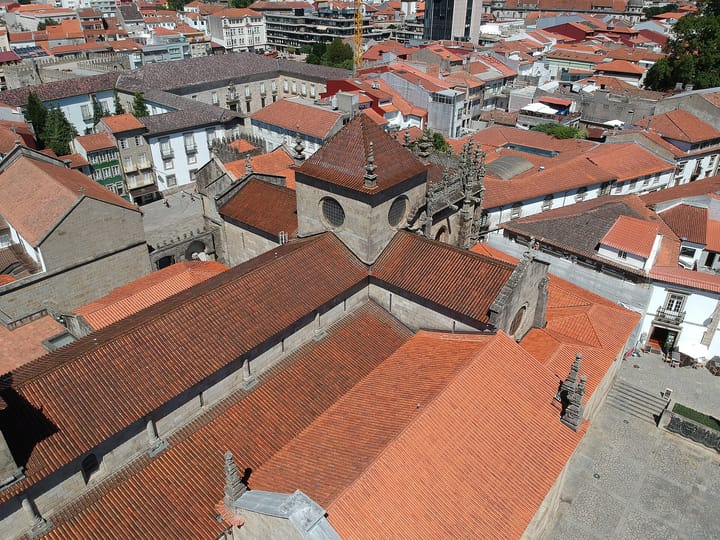
Two luxury apartments in Chiado, one of Lisbon's most sought-after quarters, have become the latest twist in a decade-old legal saga over the collapse of Portugal Telecom. According to property-registry records reported this weekend, Zeinal Bava — the engineer who ran Portugal Telecom (PT) at the height of its ambitions — signed the two flats over to his children not long before a court moved to freeze his assets. The properties, bought in 2011 for around €4 million while crisis-era prices were depressed, remain under seizure (arresto) despite now sitting in the next generation's names.
The manoeuvre matters because of what it is attached to. Bava is one of the former executives being pursued by Pharol — the rebranded remnant of Portugal Telecom — over one of the most damaging investment decisions in modern Portuguese corporate history: the €897 million that PT parked in short-term debt issued by Rioforte, a non-financial arm of the Grupo Espírito Santo (Espírito Santo Group, or GES). When the sprawling Espírito Santo empire imploded in 2014, taking the country's largest private bank down with it, that money effectively vanished. The loss gutted PT's cash position on the eve of its planned merger with Brazil's Oi, and the company never recovered its former standing.
Pharol has spent years in the Lisbon courts trying to hold former administrators personally responsible for the sum. Alongside Bava, the action has targeted former chairman Henrique Granadeiro and other ex-directors, with the company arguing they should not have entrusted such a large amount to a group that was, by then, in deep trouble. The litigation has been a see-saw. Earlier in 2025 a court lifted the asset freezes on Bava and Granadeiro, only for the Lisbon Court of Appeal (Tribunal da Relação) to reinstate them in August, ordering the seizure of bank accounts, real estate and, in Granadeiro's case, pensions and agricultural holdings.
Against that backdrop, the timing of the Chiado transfers is what has drawn scrutiny. Donating high-value property to family members shortly before a creditor secures a freezing order is precisely the kind of movement that courts examine closely, since Portuguese law allows creditors to challenge transactions that appear designed to shield assets from a legitimate claim. In this instance the safeguard seems to have held: the registry shows the apartments are still flagged as seized, meaning the children cannot freely sell or borrow against them while the underlying dispute runs its course.
For readers following Portugal from the outside, the case is a useful window onto how the country's business establishment and its courts have handled the long aftermath of the GES collapse — a slow, grinding process of civil claims, appeals and asset-tracing rather than the swift resolutions seen elsewhere. It also underlines a practical point for anyone with significant assets here: a gift to your children is not a firewall. Where a serious claim is already on the horizon, the courts retain wide powers to reach back through recent transfers and pin the property in place until the reckoning is done.
None of the individuals has been found liable in the substantive case, which continues. What the weekend's revelations add is colour rather than a verdict — a reminder that, more than a decade on, the bill for PT's Rioforte gamble is still being fought over, flat by flat.