ERS Pins 98 of 278 Mainland Concelhos Without a Saúde Oral Cabinet at End of 2025 — Norte Holds 3,147 of the 5,885 Convencionado Dentists Against 131 in the Alentejo and 209 in the Algarve
The Entidade Reguladora da Saúde (Health Regulator, ERS) released a fresh oral-health access report on Monday showing that 98 of mainland Portugal's 278 concelhos closed 2025 with no functioning saúde oral cabinet inside their primary-care units —...
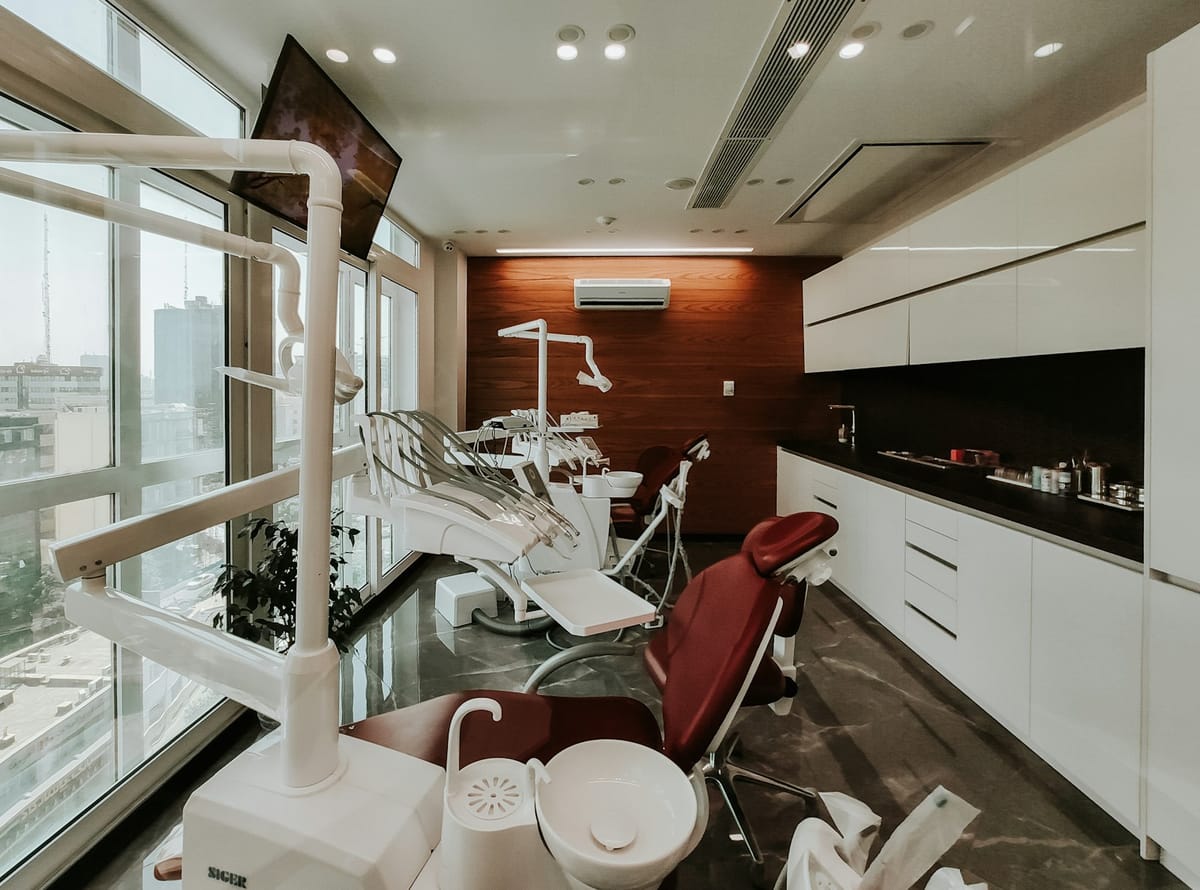
The Entidade Reguladora da Saúde (Health Regulator, ERS) released a fresh oral-health access report on Monday showing that 98 of mainland Portugal's 278 concelhos closed 2025 with no functioning saúde oral cabinet inside their primary-care units — leaving roughly one in three municipalities short of the target the government set in 2018 of at least one dental office per municipality.
The gap sits on top of a private-network distribution the regulator describes as structurally uneven. As of 2025 there were 5,885 private dentists registered as aderentes (affiliated providers) under the SNS dental-voucher scheme. The Norte region alone holds 3,147 of those professionals, followed by the Centro on 1,416, Lisboa e Vale do Tejo (LVT) on 982, the Algarve on 209 and the Alentejo on 131. Translated into density, Norte runs at 8.4 dentists per 10,000 residents against just 2.6 in LVT — a more than three-to-one disparity inside a single regulator's footprint.
ERS also tracked usage of the cheque-dentista (dental voucher), the headline financial instrument that lets SNS beneficiaries access subsidised treatment in private clinics. The number of vouchers issued has climbed steadily over the past decade — 767,746 in 2025, of which 490,261 went to children and young people under 18. But the effective utilisation rate has fallen from 74% in 2016 to 64% in 2025, suggesting that even when entitlements are issued, patients are not always converting them into treatment. Ninety-one percent of vouchers actually redeemed between 2023 and 2025 landed in private clinics rather than centros de saúde, underlining the system's dependence on the convencionado network.
The regulator frames the picture as one of "evolução positiva e estrutural" (positive and structural evolution) over the past few years, but flags "desafios significativos" (significant challenges) on territorial equity and on whether available access tools are being used effectively. ERS specifically calls out the 2018 "one cabinet per municipality" benchmark as unmet, pointing to the interior, the Alentejo and parts of the Algarve where coverage remains thinnest.
The report lands as the Direção Executiva do SNS (SNS Executive Board) pushes its Saúde Oral 2.0 programme, which aims to add 180 dentists to the public health-centre network by the end of 2026 and to formalise a public-sector career path for dental professionals. A separate Programa Nacional de Promoção da Saúde Oral 2030 was published in Diário da República on World Oral Health Day in March, with full application scheduled for 1 January 2027.
For residents in the 98 uncovered concelhos, the practical implication is unchanged: dental treatment continues to depend on private clinics and on whether a cheque-dentista can be redeemed within a reasonable distance. ERS will track the gap quarterly through the new SINAS+ classification cycle for healthcare establishments, the first results from which are due in late 2026. The regulator's quarterly briefing will also feed into the Ministério da Saúde's 2027 budget submission, where dental cover is expected to compete with the family-doctor backlog for ringfenced funding.