Emergency Services in Portugal: What to Do in a Crisis as an Expat
Nobody moves to Portugal expecting an emergency. But knowing how the system works before you need it can make a critical difference. Portugal's emergency services are competent and responsive — but they work differently from what many expats are...
Nobody moves to Portugal expecting an emergency. But knowing how the system works before you need it can make a critical difference. Portugal's emergency services are competent and responsive — but they work differently from what many expats are used to.
Emergency Numbers
- 112: Universal emergency number (ambulance, fire, police). Operators speak Portuguese and English. This is the number to remember above all others.
- 808 200 204: SNS 24 health line (non-emergency medical advice, triage). Available 24/7. Can direct you to the right facility or confirm if you need to go to the emergency room.
- 117: Protecção Civil (civil protection) — natural disasters, wildfires, floods
- 144: European social emergency line
How 112 Works
When you call 112, you'll be asked:
- What type of emergency (médica/medical, incêndio/fire, polícia/police)
- Your location (address, landmarks, GPS coordinates if possible)
- What happened
- How many people are involved
If you don't speak Portuguese, say "English please" — most 112 operators can switch. If not, they'll transfer to someone who can. Stay on the line until told to hang up.
Location tip: Portuguese addresses can be confusing (many streets share names across different parishes). If you can share a Google Maps pin or give a nearby landmark, do so. In rural areas, having your GPS coordinates saved in your phone can save precious minutes.
Medical Emergencies
Urgências (Emergency Rooms)
Portuguese hospitals have emergency departments (urgências) with a triage system using the Manchester Protocol — the same colour-coded system used across Europe:
- Red (emergente): Life-threatening — immediate attention
- Orange (muito urgente): Very urgent — seen within 10 minutes
- Yellow (urgente): Urgent — seen within 60 minutes
- Green (pouco urgente): Less urgent — may wait 2-4 hours
- Blue (não urgente): Non-urgent — may wait 4+ hours. Consider your centro de saúde instead
What to bring: ID (passport or residence card), EHIC/S1 form (EU citizens), health insurance card, list of current medications, and your utente number (SNS user number) if you have one.
Major Hospitals by Region
- Lisbon: Hospital de Santa Maria (largest), Hospital de São José, Hospital CUF Descobertas (private)
- Porto: Hospital de Santo António, Hospital de São João, Hospital da Luz (private)
- Coimbra: Centro Hospitalar e Universitário de Coimbra
- Faro/Algarve: Hospital de Faro, Hospital Particular do Algarve (private)
- Braga: Hospital de Braga
INEM (National Emergency Medical Institute)
INEM operates Portugal's pre-hospital emergency system:
- Ambulances: Basic life support (SBV) and advanced life support (SIV) vehicles
- VMER: Medical emergency vehicles with a doctor and nurse — dispatched for critical cases
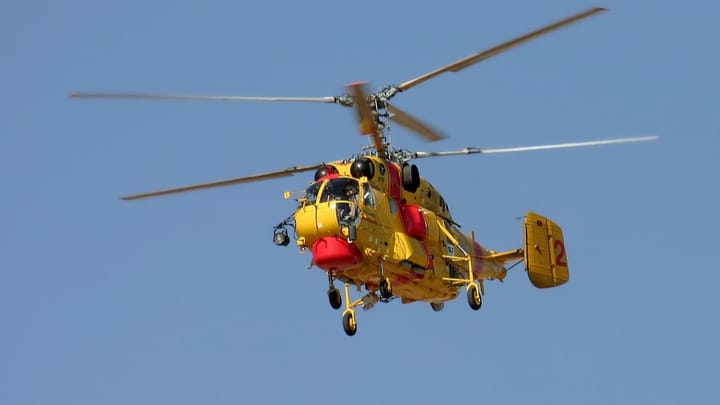
- Helicopter: INEM operates medical helicopters for remote areas and critical transport
- Response times: Urban areas typically 8-15 minutes. Rural areas can be 20-40 minutes.
Private Emergency Options
Private hospitals (CUF, Hospital da Luz, Lusíadas, HPA) have their own emergency departments. Wait times are shorter, English is more common, and you can use private health insurance. If you have private insurance, going private for non-critical emergencies is often faster.
Police Forces
Portugal has multiple police forces with different jurisdictions — confusing for newcomers:
PSP (Polícia de Segurança Pública)
- Where: Urban areas (cities and towns)
- What: General policing, traffic in cities, public order, reports of crime
- When to call: Theft, assault, noise complaints, traffic accidents in urban areas
GNR (Guarda Nacional Republicana)
- Where: Rural areas and national roads
- What: Military-status police force covering rural policing, highway patrol, environmental crimes
- When to call: Same as PSP but in rural/suburban areas. Also handles highway incidents.
PJ (Polícia Judiciária)
- What: Criminal investigation police (similar to FBI/CID). Handles serious crime: homicide, organised crime, cybercrime, terrorism, complex fraud
- When to contact: You usually don't — PSP/GNR refer cases to PJ when needed
Filing a Police Report (Queixa)
For non-emergency crimes (theft, car break-in, fraud), you can:
- In person: Visit any PSP or GNR station. Bring ID and any evidence.
- Online: queixaselectronicas.mai.gov.pt — available in Portuguese and English for certain crime types
- For insurance claims: A police report (auto de notícia) is essential. Get the reference number (NUIPC).
Language: Police stations in tourist areas usually have English speakers. In rural areas, bring someone who speaks Portuguese or use a translation app. You have the legal right to an interpreter but availability varies.
Fire and Natural Disasters
Bombeiros (Fire Brigade)
Portuguese fire brigades are largely volunteer-based (bombeiros voluntários). This is a cultural tradition — communities take enormous pride in their bombeiros. Despite being volunteers, they're well-trained and responsive.
- Response: Fire, flood, road accidents (often first on scene), technical rescue
- Note: Bombeiros also respond to many medical emergencies, working alongside INEM
Wildfires
- Season: June to October (peak July-September)
- Apps: Download Prociv Alertas and IPMA (weather) for real-time fire and weather alerts
- Evacuation: When instructed, evacuate immediately. Don't try to fight fires yourself. Follow designated evacuation routes — your câmara should have these posted.
- Prevention: Clear vegetation around your property (legal requirement). Don't use barbecues or fire in rural areas during critical fire risk periods (declared by IPMA).
Earthquakes
Portugal is in a seismically active zone — the 1755 Lisbon earthquake and tsunami was one of history's most devastating natural disasters. Modern risk:
- What to do during: Drop, cover, hold on. Get under a sturdy table. Stay away from windows. Don't run outside during shaking.
- After: Check for gas leaks. Be prepared for aftershocks. If near the coast and shaking was strong/prolonged, move to high ground (tsunami risk).
- Preparedness: Keep a go-bag with water, torch, first aid kit, copies of documents, phone charger. Know your building's structural type — pre-1960 construction is more vulnerable.
Flooding
Flash flooding affects Portugal, particularly the Algarve and Lisbon areas during autumn storms:
- Don't drive through flooded roads — most flood deaths in Portugal involve vehicles
- Know if your area is in a flood plain (check câmara's PDM — Plano Director Municipal)
- IPMA issues weather warnings — yellow, orange, red. Take orange and red warnings seriously.
Consular Help
If you're a foreign national in serious trouble, your embassy or consulate can help with:
- Emergency travel documents if your passport is lost/stolen
- Contact with family back home
- Lists of English-speaking lawyers and doctors
- Prison visits if you're detained
- Assistance during natural disasters or civil unrest
What they cannot do: pay your bills, get you out of jail, intervene in Portuguese legal proceedings, or provide legal advice.
Key consulates:
- UK: British Embassy Lisbon (213 924 000), Vice-consulates in Porto and Portimão
- US: US Embassy Lisbon (217 273 300)
- Canada: Canadian Embassy Lisbon (213 164 600)
- Register with your embassy's citizens abroad service for emergency notifications
Practical Preparedness Checklist
- Save 112 and SNS 24 (808 200 204) in your phone
- Know your nearest hospital (public and private) and how to get there
- Keep copies of: passport, residence card, health insurance, medication list — both physical and digital
- Download: Prociv Alertas, IPMA, Google Maps offline (for your area)
- Register with your embassy's citizens abroad programme
- Learn basic Portuguese emergency phrases: "Preciso de ajuda" (I need help), "Chame uma ambulância" (Call an ambulance), "Houve um acidente" (There's been an accident)
- Know your address in Portuguese format (including freguesia/parish and concelho/municipality)
- Keep a first aid kit at home and in your car
- If in a fire-prone area: clear vegetation, have an evacuation plan, keep a go-bag packed June-October
The best emergency is the one you never have. But knowing how Portugal's system works — the numbers, the hospitals, the police forces, the natural disaster risks — means that if something does happen, you'll spend less time figuring out what to do and more time getting help.