Economist Impact's Resilient Food Systems Index Ranks Portugal First Among 60 Countries at 76.83 — Quality-and-Safety Pillar Lifts the Score While Climate-Risk Response Trails at 69.41
Economist Impact's first Resilient Food Systems Index, released 20 May 2026, ranks Portugal first of 60 countries at 76.83/100. Quality-and-Safety carries the score at 79.23, but Climate-Risk Response trails at 69.41.
Economist Impact's inaugural Resilient Food Systems Index (RFSI), released on Wednesday 20 May 2026, placed Portugal first among 60 countries surveyed with a composite score of 76.83 out of 100. France and the United Kingdom rounded out the top three; the Democratic Republic of Congo finished last at 34.86 — a 42-point spread that the authors say defines the global food-resilience gap. The index, sponsored by Corteva Agriscience and Cargill, scores national food systems on four pillars: affordability, availability, quality and safety, and climate-risk response.
How Portugal scored
- Overall: 76.83 of 100 — first of 60
- Quality and Safety: 79.23 — Portugal's strongest pillar, anchored by dietary diversity, protein quality, ASAE sanitary enforcement and EU labelling standards
- Climate-Risk Response: 69.41 — the weakest pillar, reflecting drought exposure and tail-risk weather events
- Affordability and Availability: scored but not isolated in the public summary
- No country broke 80, a methodological reminder that even the strongest systems carry exposure
Why Portugal tops the table
The Quality-and-Safety leadership reflects decades of EU sanitary harmonisation and the country's deep agri-food base — Vinho Verde, Alentejo wines, Algarve citrus, Atlantic fisheries, Beira dairy. The Mediterranean dietary template Portugal sits inside is the structural advantage. Add traceability frameworks from ASAE and DGAV, plus a DOP/IGP labelling system Brussels regards as among the EU's tightest, and the country scores well on the metrics Economist Impact weighs heaviest.
Portugal also benefits from a relatively short domestic supply chain — most fresh produce travels under 300 kilometres from farm to retail — and a domestic retail oligopoly (Sonae MC, Jerónimo Martins, Auchan, Lidl) that maintains tight inventory turnover even under stress, as seen during the 2022 inflation spike and the recent DECO Cabaz Alimentar reading at €260.41 in the week of 6–13 May.
The climate gap
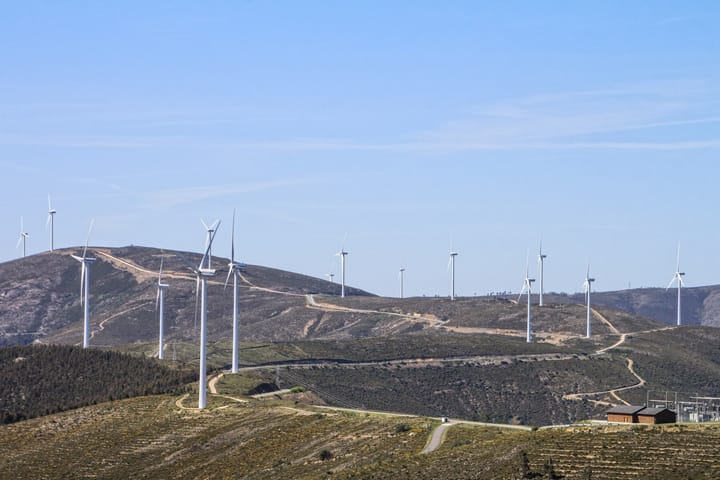
The 69.41 climate score is the watch number. It is consistent with what AEMET and IPMA flag every year: prolonged drought cycles, southern-Iberia water stress, and rising tail risk on hail and storm events such as Tempestade Kristin in January. The 2025 vintage tells the story — Port wine cut its 2025 authorisation to 75,000 pipas, a 28% two-year step-down framed by the driest summer since 1931. Mega-solar build-out compounds the land-use pressure: APA recently flagged the €590 million Sophia and 266 MW Beira projects as 'permanent and irreversible' on landscape and agronomic capacity.
Cargill's chief economist used the launch to warn that 'food security is global security', highlighting trade-route vulnerability and fertilizer choke points well beyond Portuguese borders. The country imports virtually all its nitrogen fertiliser and a meaningful share of its grain — the resilience score does not insulate against input-side shocks.
What this means for expats
- Grocery shopping: The data validates Portugal's reputation for fresh, traceable produce. EU and DOP labels remain reliable quality shortcuts in the supermarket aisle.
- Agribusiness investing: The score is a marketing asset for export categories — Vinho Verde, Alentejo wines, Algarve citrus, conservas — that fund managers may now price into agribusiness exposure.
- Climate due diligence: The 69.41 climate pillar is the watch number for rural buyers. Property purchases in the Alentejo and Algarve should weigh water-rights and fire-safety due diligence more than five years ago demanded.
- D7 and digital-nomad applicants: Food quality is a recurring deciding factor in surveys of visa applicants; the ranking now gives that intuition an evidence base.
Topping a single index does not insulate Portugal from input-side risk — feed grain, fertiliser and energy still flow through global markets — but the country enters the El Niño-overlapped 2026 harvest with the structural credentials to manage shocks better than most of the EU.