APA Reports Brand Beira Baixa's Sophia and Beira Mega-Solar Projects 'Permanent and Irreversible' on the Landscape — €590 Million Sophia Faces a 'Very Significant Reduction', 266 MW Beira Already Rejected, 12,693 Submissions in the Sophia File
APA's 18 May assessments brand Beira Baixa's €590M Sophia and 266 MW Beira solar mega-projects 'permanent and irreversible'. Beira is rejected; Sophia faces a 'very significant reduction'. The Sophia file logged 12,693 submissions and Fundão has rejected the municipal-interest declaration.
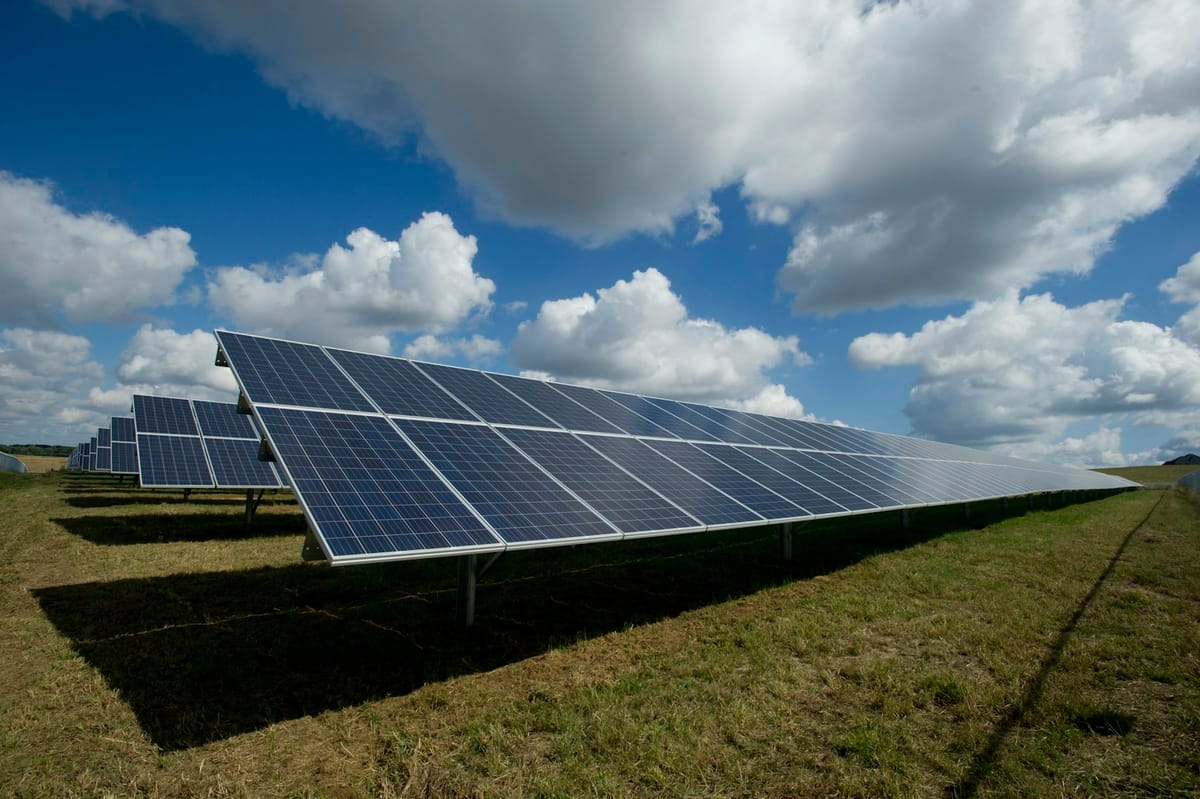
The Agência Portuguesa do Ambiente released the long-pending environmental assessments for two of Portugal's largest pipeline solar projects on Monday 18 May, and the language in both reports lands with unusual force. The Sophia and Beira photovoltaic mega-projects, both proposed for the Beira Baixa region inside and around the Tejo Internacional Natural Park buffer, are described by the comissões de avaliação as producing 'impactos permanentes e irreversíveis' on landscape, soils, water resources, biodiversity and territorial planning — a phrasing that, in Portuguese environmental-licensing practice, places the projects close to the rejection threshold and well outside the routine corrective-measures regime.
The reports were forced into the public domain after the Plataforma de Defesa do Parque Natural do Tejo Internacional filed a transparency complaint with the Comissão de Acesso aos Documentos Administrativos (CADA) when APA delayed publication. The release lands two weeks after Maria da Graça Carvalho's Mogadouro speech warning developers to bring câmaras and populations into projects from the start.
Sophia: €590 Million, Three Concelhos, 12,693 Public Submissions
The Sophia photovoltaic complex would carry an investment of approximately €590 million across the concelhos of Fundão, Idanha-a-Nova and Penamacor in the Castelo Branco district. The APA assessment commission has not formally rejected Sophia, but the parecer recommends a 'redução muito significativa' of the project footprint to bring the impact profile within acceptable bounds. The public-consultation file logged 12,693 individual submissions — believed to be one of the largest mobilisations on a single Portuguese environmental assessment to date. Fundão's câmara municipal voted in April against the Declaração de Interesse Público Municipal that the developer needed for the urban-planning carve-out, citing agricultural displacement and projected micro-climate effects on the surrounding olive and almond groves.
Beira: 266 MW Already Rejected by the APA Commission
The Beira project — 266 megawatts of nameplate capacity across 425,600 photovoltaic modules on 524.4 hectares straddling Castelo Branco and Idanha-a-Nova — has been outright rejected by its evaluation commission. The decisional language identifies 'significant negative impacts' on ecological systems and on land use that the commission concluded could not be mitigated to acceptable levels through corrective measures. The promoter retains the right to appeal and to redesign, but a fresh AIA filing with a re-scoped footprint would restart the public-consultation clock and almost certainly the petition flow.
The Species List That Anchors the 'Irreversible' Reading
Both reports flag threatened bird species whose habitat the projects intersect: the águia-imperial-ibérica, the cegonha-preta, the tartaranhão-cinzento, the sisão and the cortiçol-de-barriga-preta. The Tejo Internacional Natural Park, classified under both the Rede Nacional de Áreas Protegidas and the Natura 2000 ZPE network, sits adjacent to the Sophia perimeter; the commissions read the photovoltaic footprint as creating a 'homogeneização da paisagem' and a 'fragmentação territorial' that would degrade flight corridors and feeding grounds inside the park.
What This Means for Renewable Developers and Foreign Investors
- Project pipeline read: the Sophia and Beira pareceres are the strongest 'irreversible' framing APA has published on a Portuguese solar AIA to date — developers should treat the language as the new template for any greenfield project inside or adjacent to a Natura 2000 buffer.
- Investor due diligence: the €590 million Sophia thesis assumed a 2027 financial close; the recommended 'redução muito significativa' cuts the bankable footprint and the IRR profile in equal measure.
- For câmaras municipais: the Fundão DIM rejection is now a working precedent for municipalities facing mega-solar applications inside or near Natura 2000 zones.
- For the PNEC 2030 grid ambition: Portugal still needs the 20.4 GW solar target by 2030, and rejections of this scale push the marginal next-GW siting toward agro-PV, rooftop and brownfield — all carrying higher €/MWh costs.
The pareceres now sit with the Ministry of Environment for the formal Declaração de Impacte Ambiental. APA's secretaria de estado has signalled that the DIA on Beira will follow the commission's negative recommendation; Sophia's developer can still lodge a redesigned scope before the DIA.