ECCO Will Shut Its Santa Maria da Feira Shoe Factory, Its First Outside Denmark, and Lay Off 632 Workers
The Danish shoemaker told staff in São João de Ver on Monday that it is starting the legal procedure to close the plant it opened in 1984. Here is what the Labour Code and Social Security rules give workers facing a collective dismissal.
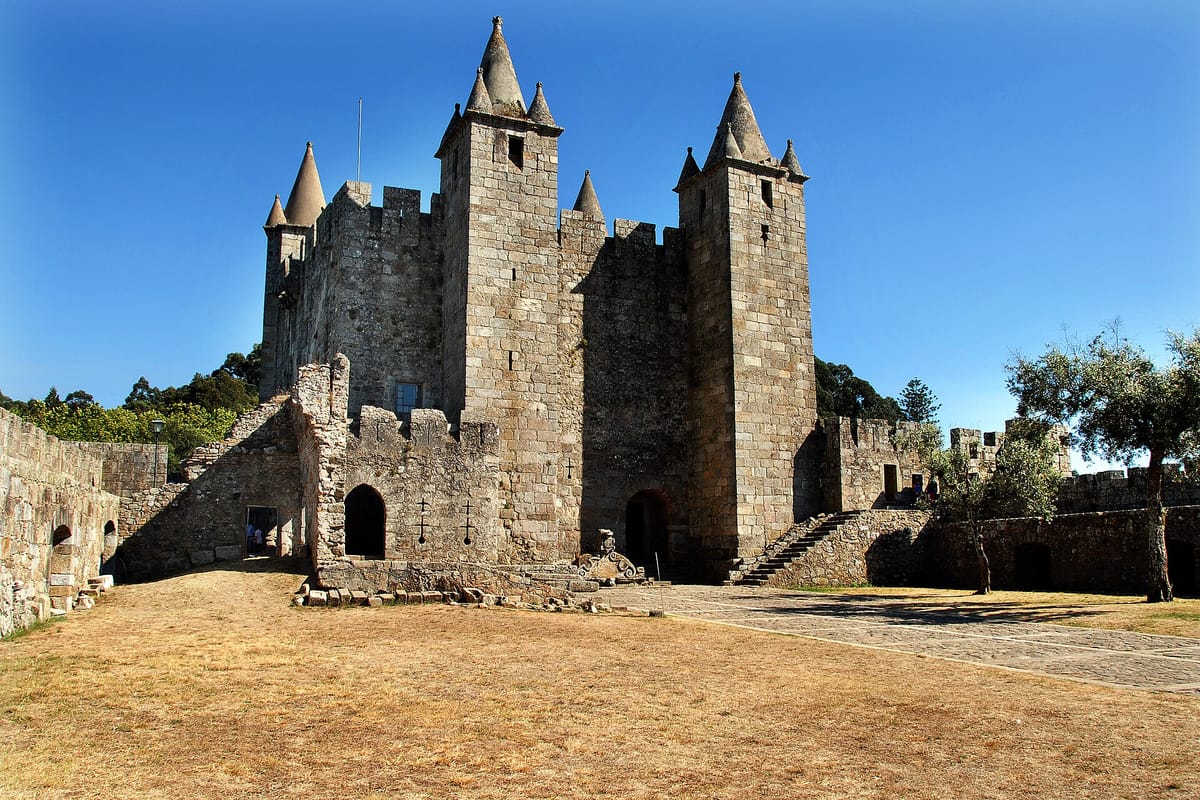
The Danish shoemaker ECCO told the 632 workers at its factory in São João de Ver, Santa Maria da Feira (Aveiro district), on Monday 2 November that it is starting the legal procedure for the "total and definitive closure" of the plant, ECO reported, quoting the company's statement. Opened in 1984, it was ECCO's first factory outside Denmark and at one point Portugal's largest shoe producer.
Workers leaving the site told Lusa that production had already stopped and that the news was given at a morning meeting, Notícias ao Minuto reported. They put the workforce at about 700; the company's figure is 632.
Part of a global cut
ECCO says the decision is part of a global reorganisation of its production. The group is also closing its factory in Vietnam and plans to cut about 400 jobs in regional and global roles, including in Denmark, according to ECO. RTP reports that the Vietnamese plant employs 1,400 people. The Feira factory has been through several rounds of job cuts in recent years.
"This decision is not a reflection of their work nor of the quality of what is made here," said Gustavo Kremer, ECCO Portugal's general manager, quoted by ECO and Jornal de Negócios. The company says it will pay all compensation owed and has informed the authorities and Santa Maria da Feira council. It has not said when the plant will shut or where the production will go.
What the workers are entitled to
Under the Labour Code (Código do Trabalho), article 346, the total closure of a company ends its contracts, but the employer must follow the collective dismissal (despedimento coletivo) procedure in articles 360 to 366:
- Negotiation first. Within five days of announcing its intention in writing, the employer must open talks with the workers' representatives on the scale and effects of the dismissals. The labour ministry's industrial relations office, DGERT, takes part to check the process is lawful and to help the two sides reach agreement.
- Notice. Each worker must get the final decision in writing at least 15 days ahead (under one year's service), 30 days (one to five years), 60 days (five to ten years) or 75 days (ten years or more). During the notice period, workers get two days a week of paid time off to look for work.
- Compensation. The Code now sets 14 days' base pay per full year of service, capped at 12 months' pay. Under Lei 13/2023, the 14-day rate counts only for service from May 2023. Earlier years are calculated under older formulas: for contracts signed before November 2011, that means a full month's pay per year worked up to 31 October 2012 (Lei 69/2013, article 5).
- A caution. If you accept the full compensation, the law presumes you accept the dismissal. You can only challenge it if you hand all of the money back.
Unemployment benefit
The Social Security practical guide (updated 16 October 2026) says you qualify with at least 360 days of recorded pay in the 24 months before losing your job. You must register at your local IEFP job centre and claim within 90 days. The benefit is 65 percent of your reference pay, normally between 537.13 and 1,342.83 euros a month. Where the employer has notified DGERT of the collective dismissal, you do not need to prove the formalities were followed. Foreign workers must hold a valid residence permit or another authorisation to work. Our earlier pieces explain how much of a lost wage the benefit replaces and this year's collective dismissal figures.