Domestic Travellers Power Portugal to 3.3 Million Hotel Guests in May as the British Market Cools
Portugal hosted 3.3 million guests in May (+3.9%) and eight million overnight stays, INE data show, with accommodation revenue up 5.8% to €755.7 million. The twist: resident travellers (+7.6%) drove the growth while the UK, still the top foreign market, slipped 1.1%.
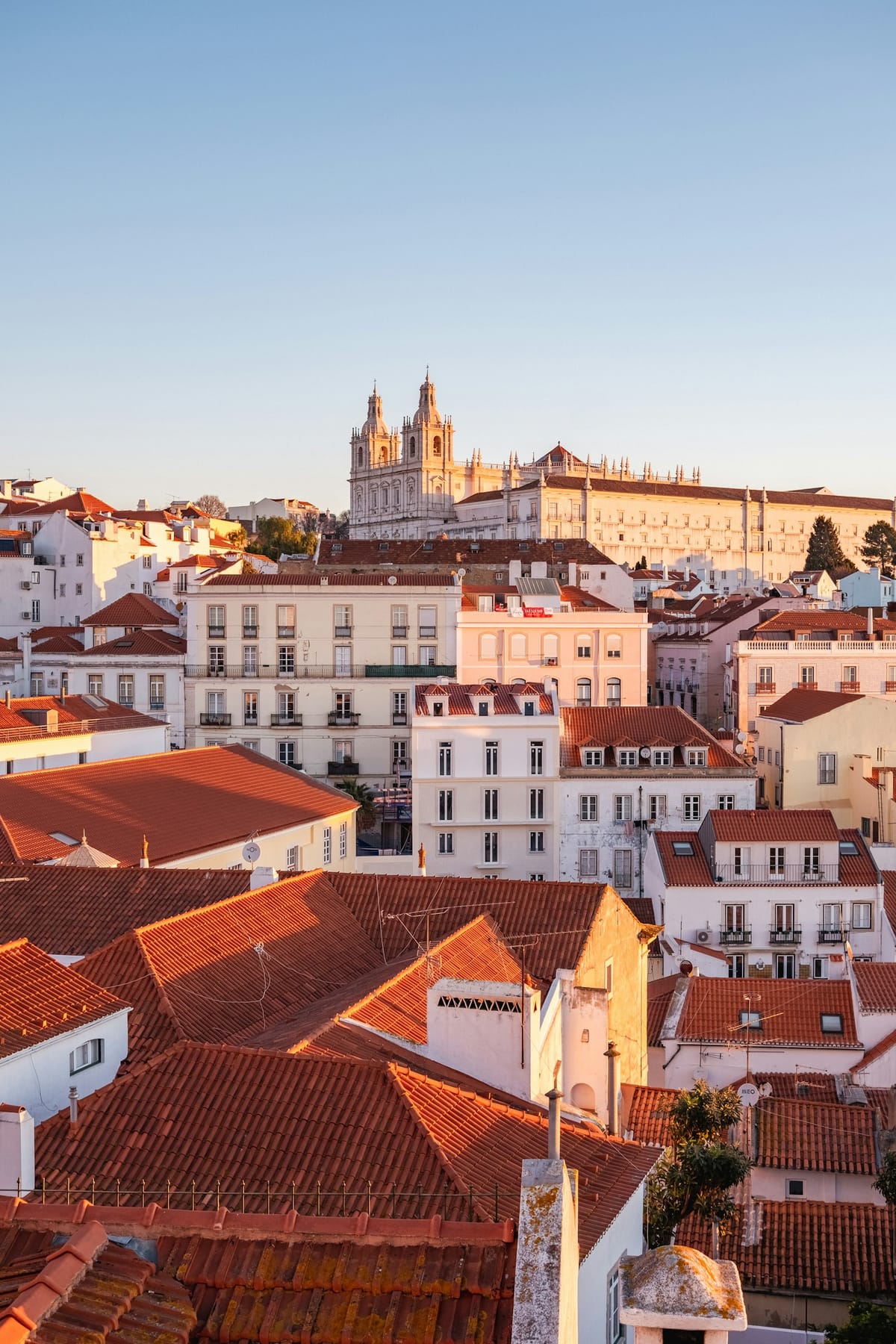
Portugal's tourism engine kept running at record pace in May, but the fuel is changing. The country's hotels, guesthouses and short-stay flats hosted 3.3 million guests during the month — up 3.9% on May 2025 — and logged eight million overnight stays, a 2.8% rise, according to figures released by the Instituto Nacional de Estatística (INE — National Statistics Institute). What stands out is who is driving the growth: Portuguese residents, not foreign visitors.
The numbers behind the record
- Revenue: Total accommodation revenue reached €755.7 million (+5.8%), of which €575.1 million came from room charges alone (+4.8%) — receipts rising faster than guest numbers, a sign of firmer prices.
- Residents lead: Overnight stays by Portuguese residents jumped 7.6% to 2.1 million, far outpacing the 1.1% rise among non-residents, who accounted for 5.9 million nights.
- A softening top market: The United Kingdom remained the single largest source of foreign nights with a 19.0% share, but British demand slipped 1.1%. Brazil (+9.3%) and Germany (+8.6%) picked up the slack, while France fell 11.3%. The ten biggest markets together supplied 76.2% of non-resident nights.
From boom to consolidation
After years of double-digit expansion, 2026 is shaping up as a year of consolidation rather than breakneck growth. Industry forecasts point to roughly 34 million guests over the full year and annual tourism receipts approaching record territory — Portugal's tourism exports hit an all-time high of about €29 billion in 2025. May's data fits that pattern: still growing, still setting records, but at a gentler, more sustainable clip, with domestic travellers cushioning a plateau in some foreign markets.
The mix matters. A tourism recovery led by residents is less exposed to a single wobble abroad — a weaker pound, a bad-news cycle, an airline route cut — but it also concentrates summer demand on the same coastline and cities that locals want to enjoy. And revenue growing faster than volume confirms what anyone booking a room already knows: the average night in Portugal keeps getting more expensive, a dynamic visible in everything from hotel rates to the prime property market.
What This Means for Expats
- Cost of living: Tourism prices ripple outward. Neighbourhoods with heavy short-stay demand tend to see higher rents and pricier restaurants and services — a pressure that compounds Portugal's already stretched housing market, itself the target of new measures like the reduced construction VAT.
- Jobs: Accommodation, restaurants and transport hire heavily for the season. If you work in or run a hospitality business, resident-driven demand spreads spending beyond the classic foreign hotspots and into shoulder periods.
- Getting around: Expect fuller trains, flights and popular sights through summer. New connections such as Vienna–Ponta Delgada keep widening access, while alternatives to the busiest spots — from Almada's archaeological sites to the interior — reward anyone travelling off the beaten path.
Portugal's challenge is no longer attracting visitors; it is managing success. With residents now among the most enthusiastic travellers in their own country, and international demand broadening beyond a cooling British market, the sector looks durable — provided the country can keep the benefits flowing without pricing locals and long-term residents out of the places tourists come to see. One of Europe's competitive edges, its cheap, renewable-heavy energy, helps hold costs down — but the affordability of everyday life is the balance still to be struck.