DGS Publishes Orientação 001/2026 on the MV Hondius Hantavirus Outbreak on Monday 11 May — Curry Cabral, Dona Estefânia and ULS São João Named as Reference Units, INEM Activated, Risk in Portugal Stays 'Muito Baixo'
DGS published Orientação n.º 001/2026 on Monday 11 May setting the clinical pathway for any suspected hantavirus case tied to the MV Hondius Antarctic cruise. ULS São José and ULS São João are the reference units; INEM handles transfers; risk in Portugal stays 'muito baixo'.
The Direção-Geral da Saúde — DGS, the Portuguese public-health authority — published Orientação n.º 001/2026 de 11/05/2026 on Monday afternoon, setting the clinical pathway and the reference-unit map that the National Health Service must follow for any suspected case of hantavirus traced back to the MV Hondius Antarctic cruise. The orientation was published on the DGS website on the back of the World Health Organization (WHO) and European Centre for Disease Prevention and Control (ECDC) alerts that escalated through the first week of May after the polar-expedition vessel returned to South America with a cluster of confirmed infections.
The MV Hondius Outbreak
The MV Hondius is a 108-passenger Polar-class polar-expedition vessel that operates Antarctic cruises out of Ushuaia, Argentina. The vessel departed southern Argentina in early April 2026 on a multi-week southern-summer-end itinerary. Per the WHO/ECDC bulletin reflected in the DGS orientation: seven confirmed Andes-virus (ANDV) infections, three deaths, plus a tail of suspected and probable cases under investigation. ANDV is the South American hantavirus serotype most associated with hantavirus pulmonary syndrome — distinct from the Old-World Puumala/Dobrava-Belgrade serotypes endemic in patches of continental Europe — and is the only hantavirus with documented person-to-person transmission in cluster settings.
The Reference-Unit Map
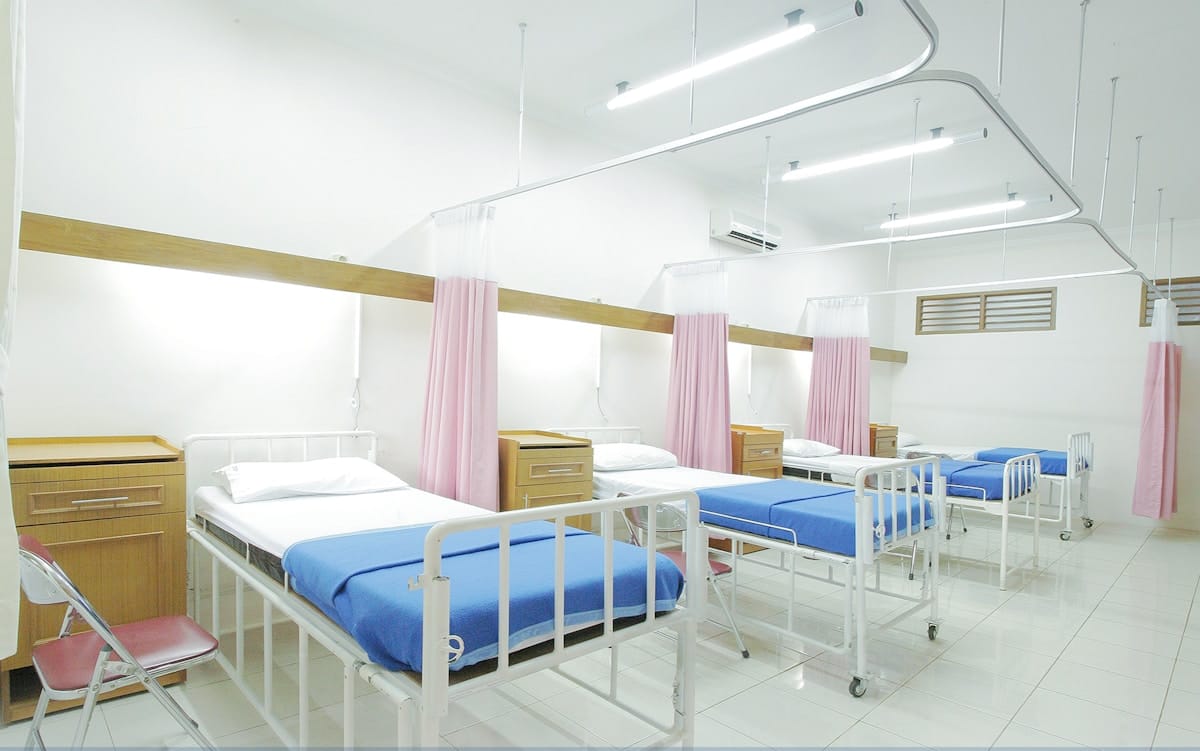
The DGS orientation designates two ULS — Unidades Locais de Saúde — as the reference units that must receive any suspected case detected anywhere in mainland Portugal:
ULS São José — adult cases route to Hospital Curry Cabral, the Lisbon infectious-diseases reference centre that already handles the bulk of the country's high-consequence imported pathology; paediatric cases route to Hospital Dona Estefânia, the Lisbon paediatric specialty hospital embedded in the same ULS perimeter.
ULS São João — the Porto reference unit handles both adult and paediatric cases for the northern half of the country, working off the infectious-diseases ward and the paediatric infectious-diseases service.
The orientation specifies that INEM — the National Medical Emergency Institute — must be activated to handle the inter-hospital transfer of any suspected case from the location of clinical suspicion to the designated reference unit. Front-line ER and primary-care staff are not asked to manage the case in place; they activate INEM, who runs the controlled-isolation transport.
The Case Definitions
The orientation walks ER and primary-care staff through three layered case definitions for triage:
Suspected case: any person who shared transport (cruise, flight, bus) with a confirmed or probable hantavirus case linked to the MV Hondius, OR who had direct contact with MV Hondius passengers or crew, AND who presents acute fever plus muscle pain, chills, headache, gastrointestinal symptoms, or respiratory symptoms during the 42-day post-exposure window.
Probable case: a suspected case with a known epidemiological link to a confirmed or probable case in the cluster.
Confirmed case: a suspected or probable case with laboratory confirmation — Andes-virus (ANDV) nucleic-acid detection by RT-PCR or specific serology.
Triage in the ER is asked to ask explicitly about southern-cone travel between mid-March and mid-May 2026 in any patient presenting with the symptom cluster, and to escalate to the reference-unit pathway the moment the travel-history bell rings.
The Portugal Risk Read
The DGS read on the population risk for Portugal is unambiguous. The orientation states that the risk for Portugal remains 'muito baixo' — very low — and that 'não há medidas preventivas a implementar a nível nacional para a população' (there are no preventive measures to be implemented at the national level for the population). No general advisory, no cruise-passenger screening at the airport border, no community-level vector-control mobilisation. The orientation is a clinical-pathway document for the small universe of returning travellers and their close contacts, not a public-alert mobilisation. The framing aligns with the WHO and ECDC reads, which classify the population-level risk in Europe as low.
What This Means for Foreign Residents
Cruise-vessel travellers and their close contacts: the small subset of Portuguese-resident travellers who took an Antarctic expedition cruise out of Ushuaia in March or April — and the tighter subset that travelled aboard the MV Hondius specifically — should monitor for fever, muscle pain, chills, headache and respiratory symptoms during the 42-day post-exposure window. Onset triggers a primary-care or ER visit with explicit travel-history disclosure; from there, INEM and the reference unit handle the rest.
Day-to-day life in Portugal: nothing changes. Andes virus does not have a vector ecology in continental Portugal; the orientation does not call for any community-level measures, school protocols, or travel restrictions. Residents who did not share a transport vector with the MV Hondius cluster are not in the suspected-case definition.
Healthcare-system bandwidth: the reference-unit funnel — Curry Cabral and Dona Estefânia in Lisbon, ULS São João in Porto — concentrates expertise without disrupting general ER throughput. The pathway leans on the same infectious-diseases infrastructure that already handles the country's imported-pathology load.
Travel insurance and SNS coverage: hantavirus disease is treated as standard infectious-disease care under the SNS for residents holding the Número de Utente; private insurance covers per-policy infectious-disease cover; non-resident travellers passing through Portugal route through the reference units under the EHIC/private-insurance framework.
The orientation sits inside the same DGS clinical-norms architecture that runs the country's vaccine schedule, the antibiotic-stewardship rules and the high-consequence-pathogen protocols. Foreign residents with the SNS Número de Utente sit inside the same pathway as Portuguese-born residents — there is no separate flow. On the immunisation side of the file, Portugal's measles count for 2026 and the single chain that formed sets out the nine cases the Direção-Geral da Saúde notified through SINAVE between 1 January and 18 August, how they split between imported and domestic origin, and why the directorate is watching Brazil. On the state of Portugal's own disease reporting, what the WHO is now counting in Portugal that the DGS has not published sets out the 66 clade Ib mpox cases the World Health Organization recorded here in six weeks, more than Germany, France and the United Kingdom combined, against a national bulletin that stopped in May 2025 saying the country had seen none.