Civil Protection's DECIR Charlie Phase Brings 13,335 Operatives, 78 Aircraft and Two Black Hawks Into the Field From 1 June — Rural Fires More Than Doubled Year-on-Year to 2,780 With Norte Carrying 9,079 Hectares Burnt
Portugal's rural-fire fighting stack stepped up to a second 2026 reinforcement on Monday 1 June, with the Autoridade Nacional de Emergência e Proteção Civil (National Emergency and Civil Protection Authority — ANEPC) formally entering 'nível...
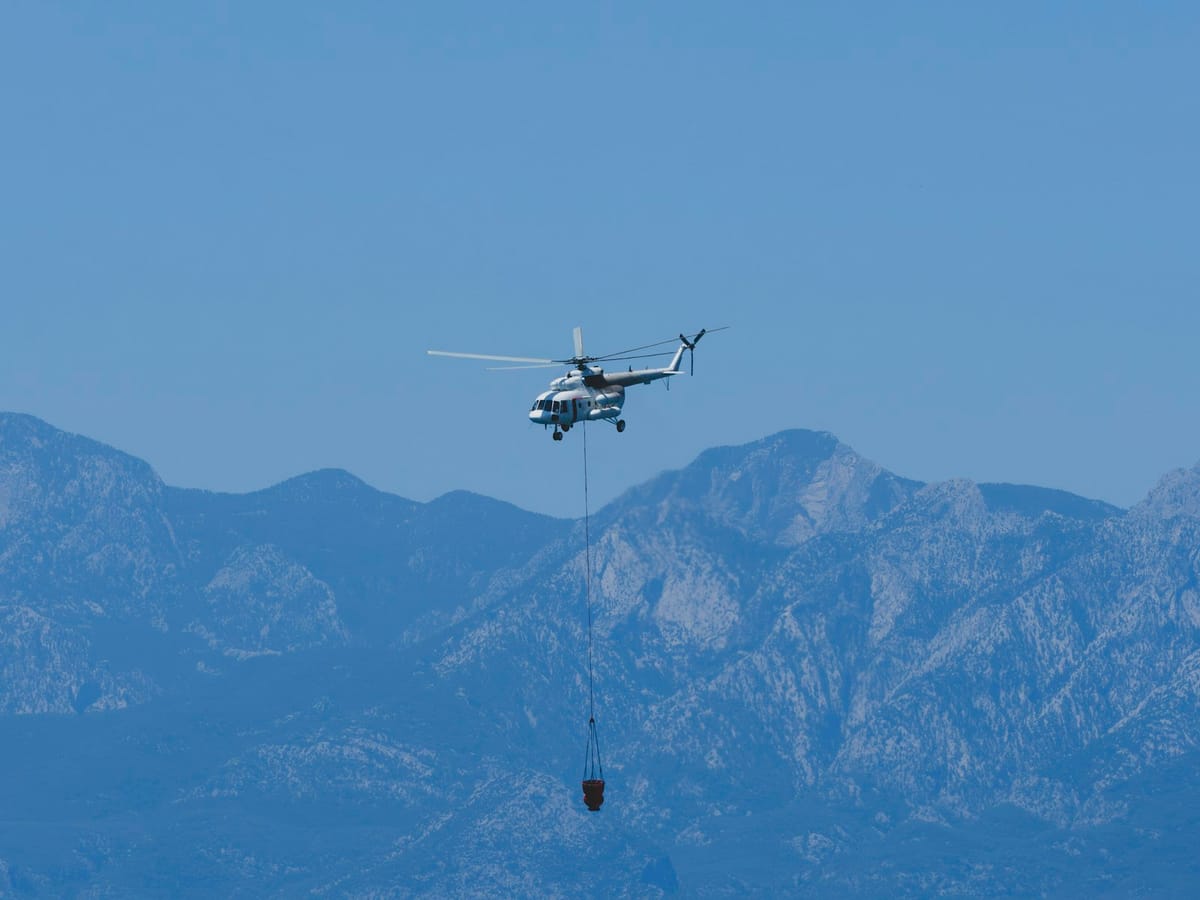
Portugal's rural-fire fighting stack stepped up to a second 2026 reinforcement on Monday 1 June, with the Autoridade Nacional de Emergência e Proteção Civil (National Emergency and Civil Protection Authority — ANEPC) formally entering 'nível Charlie' (Charlie level) of the Dispositivo Especial de Combate a Incêndios Rurais (Special Rural Fire Combat Device — DECIR). The Charlie configuration runs through 30 June and seats 13,335 operatives, 2,265 teams, 2,969 vehicles and 78 aerial means on standby across continental Portugal.
The largest single change versus 2025 sits in the aviation slot. The Força Aérea Portuguesa (Portuguese Air Force), which contracts and operates the aerial component, will field two Sikorsky Black Hawk helicopters in the rural-fire role for the first time. The Air Force has confirmed that all 78 aerial means will only be fully available from 15 June, after one State-owned helicopter exits maintenance. Three additional helicopters from AFOCELCA — the private forestry-sector operator funded by the pulp and paper industry to defend its own plantations — round out the rotary stack.
On the ground, the DECIR roster pulls from five families of operatives. Volunteer firefighter corporations supply the bulk of the team count, joined by the Força Especial de Proteção Civil (Civil Protection Special Force), Guarda Nacional Republicana (Republican National Guard — GNR) military personnel, sapadores florestais (forest sappers) from the Instituto da Conservação da Natureza e das Florestas (Institute for Nature and Forest Conservation — ICNF), and sapadores bombeiros florestais (forest-firefighter sappers) operating under the same ICNF umbrella. Versus the same window of 2025, the Charlie tape carries 86 more operatives and an identical headline aerial count — though last year's mid-season was hampered by aircraft availability gaps.
The Charlie phase is a stepping stone. From 1 July to 30 September — the 'nível delta' (Delta level) phase, treated as the most critical fire window of the year — DECIR will scale to 15,149 operatives spread across 2,596 teams, 3,463 vehicles and 81 aerial means once the full permanent-plus-mobilisable roster is counted. The Delta footprint is a slight lift on 2025.
The reinforcement lands against a sharply worse baseline. Provisional data from the Sistema de Gestão Integrada de Fogos Rurais (Integrated Rural Fire Management System — SGIFR) records 2,780 rural fires year-to-date, burning 10,387 hectares. Both metrics more than doubled versus the same period of 2025. The fire geography is heavily Norte-tilted: 1,616 incidents and 9,079 hectares of burnt area were logged in the northern region alone — meaning more than 87% of the year's burnt area is concentrated above the Mondego.
The dispositivo arrives alongside the GNR's 'Verão Tranquilo' summer security operation, which formally activated on the same Monday, and the praia-vigiada (supervised beach) lifeguard regime. The trio gives the State its standard summer triple-lock — surveillance on the coast, GNR rotation in residential and holiday corridors, and the DECIR rural-fire shield — running through the end of September. On the fire-fleet side of the file, the 23 forest firefighting trucks Timor-Leste's donation has just paid for sets out the contracts CCDR-Norte signed in Penafiel with brigades in 17 northern councils, the 75 percent funding rate capped at €187,500 a vehicle, and the 30 April 2027 deadline for getting them into DECIR. On what the GNR finds when it investigates a fire, the GNR's own count of 173 fire-crime detentions this year out of 6,200 fires investigated, in which burning agricultural residues remains the largest identified cause sets the latest reference.