CGTP Stages Biggest Protest in Years — Schools Shut, Building Sites Idle as Unions Reject Government's Employment Package
Tens of thousands of workers are expected to march from Saldanha to the Assembleia da República this Friday afternoon as Portugal's largest trade union confederation stages its biggest protest in years against the government's proposed labour reform...
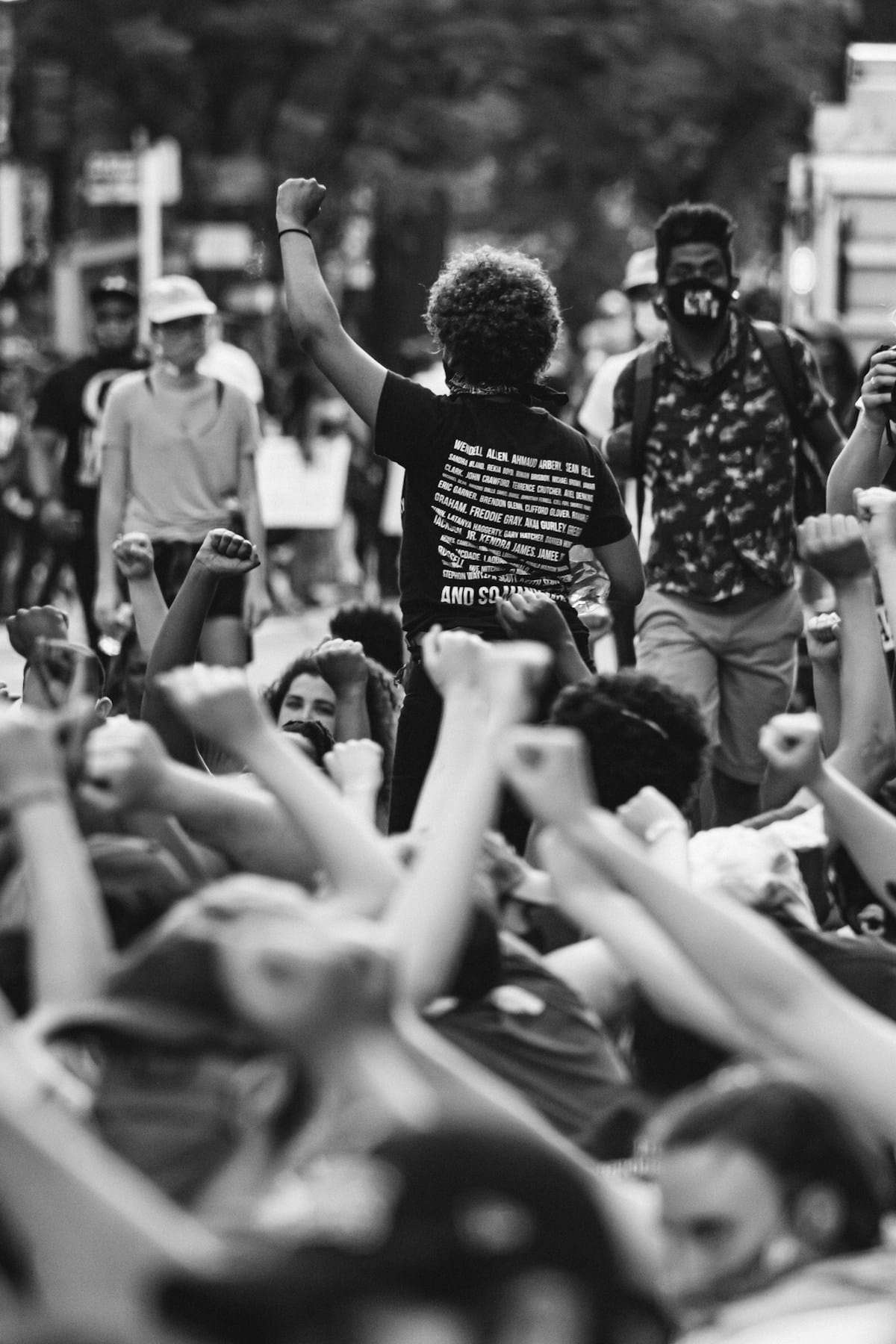
Tens of thousands of workers are expected to march from Saldanha to the Assembleia da República this Friday afternoon as Portugal's largest trade union confederation stages its biggest protest in years against the government's proposed labour reform — a package that CGTP Secretary-General Tiago Oliveira has called an "assault on workers' rights."
The national demonstration, which begins at 14:30 in central Lisbon, is accompanied by coordinated strike action across multiple sectors, with schools, public services, and construction sites all expected to feel the impact throughout the day.
Schools Closed, Services Disrupted
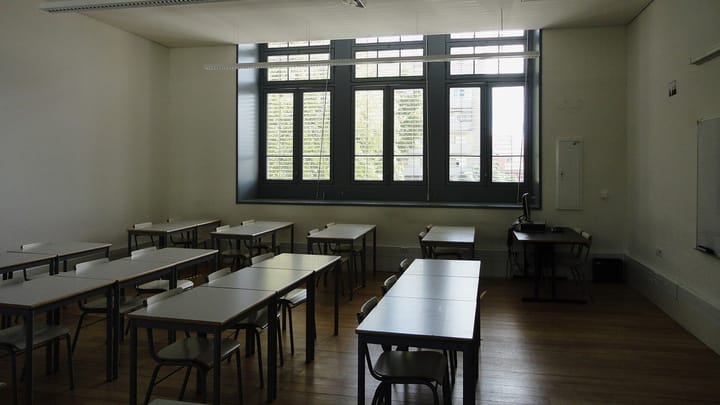
Teachers, educators, and researchers have been called out on a full 24-hour national strike on 17 April, meaning many schools across the country will be closed or operating with reduced staff. The STAL municipal workers' union has also declared a strike running from midnight to midnight, affecting local government services, waste collection, and other council-run operations.
Construction unions under the FEVICCOM federation announced their own national stoppage for the day, adding the building sector — one of Portugal's most labour-intensive industries — to the list of affected areas. The breadth of strike action across education, local government, and construction marks a level of coordinated industrial action not seen since the austerity-era protests of the early 2010s.
What the Labour Package Contains
The government's proposed labour reform, which it plans to submit to parliament, has been the central grievance driving the protest. After seven months of negotiations in the Concertação Social — Portugal's tripartite forum bringing together unions, employers, and the government — no agreement was reached.
The CGTP claims it presented proposals seven times during the process but was excluded from recent technical meetings that included only the government, the rival UGT union confederation, and employer organisations. The union sees the package as tilting the balance of labour law firmly in favour of employers, making it easier to dismiss workers and undermining collective bargaining protections.
The march's official motto — "Down with the Labour Package! Raise wages, guarantee rights, a better life is possible" — captures the union's core position: that the reform should be withdrawn entirely, not amended.
Broader Cost-of-Living Demands
While the labour package is the flashpoint, the CGTP's demands extend well beyond employment law. The confederation is calling for general and significant increases to salaries and pensions, arguing that the current minimum wage of 920 euros per month remains insufficient in the face of surging energy and housing costs.
Portugal's headline inflation rate reached 2.7 per cent in March 2026, driven largely by energy prices that have climbed 5.8 per cent year-on-year as the Persian Gulf crisis pushes fuel costs higher. The DECO consumer association's food basket index hit a record 259.52 euros in its latest reading, marking a sixth consecutive weekly rise.
For workers already squeezed by record housing costs — average prices rose 17.6 per cent in 2025 — the combination of stagnant real wages and rising essential costs has become politically explosive.
Presidential Veto Looms
The protest gains additional political weight from President António José Seguro's public signal that he would veto the labour reform if the government pushes it through parliament without reaching consensus in the Concertação Social. With the PSD-led government lacking an outright majority, the path to passing the package over both union opposition and a presidential veto would require significant political capital — capital that may be harder to spend with demonstrators marching past parliament's front door.
The CGTP has called on all workers, pensioners, and citizens to join the march, framing it as a defence not just of labour rights but of the broader social model that underpins Portuguese public services.