Carris Adds Six Operating Hours to the Funicular da Graça From 15 May — 3,600 Riders in the First Fortnight, 70% Occasional, Navegante Priority Queue Holds
Carris stretched the Funicular da Graça's operating window from the 9h-17h evaluation schedule to 7h-20h45 daily on Friday 15 May 2026, two weeks after the seven-month reopening. The 55E moved 3,600+ riders in the first fortnight — 70% occasional users.
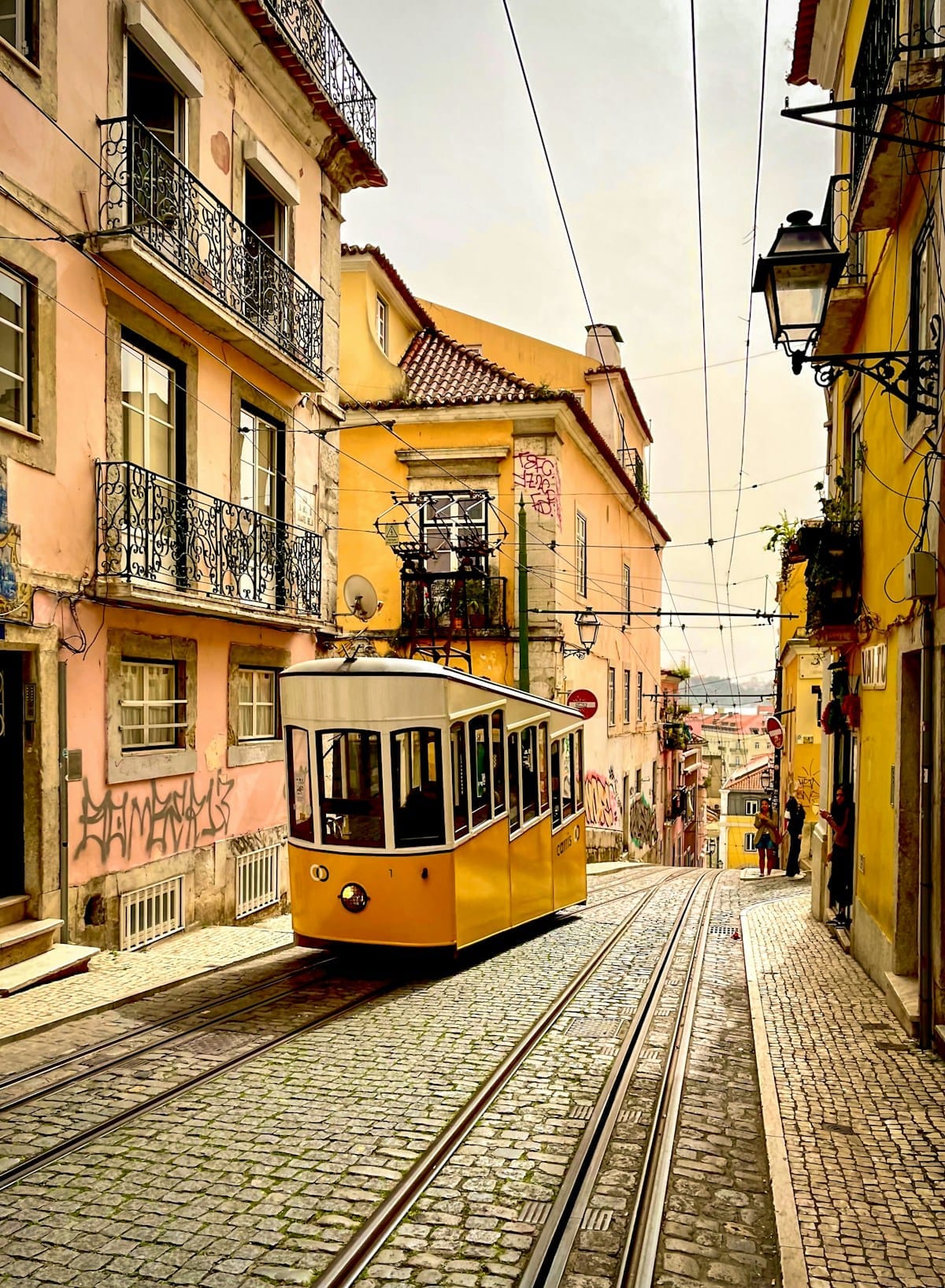
Carris pushed the Funicular da Graça's operating window from the 9h-to-17h evaluation schedule out to 7h-to-20h45 daily, with the longer day taking hold on Friday 15 May 2026 — two weeks and a day after the historic Lisbon link came back into service on Thursday 30 April after a seven-month closure imposed in the wake of the 16 September 2024 Elevador da Glória derailment that killed sixteen people and forced the Instituto da Mobilidade e dos Transportes (IMT) to pull every funicular-class operating licence in the city until each system had been re-validated end to end.
The six-hour-a-day extension lands on top of 3,600+ trips logged in the first fortnight on the relaunched 55E. Carris broke the early ridership down at roughly 220 passengers on a typical weekday and 330 on a typical weekend day, with the split between user types running about 70% occasional — predominantly tourists pulling onto Largo da Graça from the Mouraria-side end at Rua dos Lagares — and 30% Navegante pass holders cycling the line as part of their daily commute or service usage. The operator's statement framed the schedule lift as a move that 'reinforces the role of the Funicular da Graça as a mobility solution for residents, workers and visitors,' with management noting that the priority-queue arrangement for pass holders had been 'managing entries more efficiently, which privileges access to frequent system customers.'
The Two-Queue System Is the Operational Innovation
The Funicular da Graça is the only Lisbon funicular currently operating a formally separated boarding sequence: Navegante card holders board first, occasional ticket buyers afterwards. That structure was introduced specifically to address the displacement pressure that the Elevador da Glória, the Elevador da Bica and the Elevador do Lavra had recurrently shown — moments when the tourist-side demand at the lower stop crowds out the small share of seats available on a 14-passenger funicular and the resident who relies on the line for the climb to Graça ends up walking the Caracol da Graça steps anyway.
Trip time clocks at roughly ninety seconds end-to-end. With about four departures an hour at 10-to-15-minute intervals, the line's theoretical hourly throughput sits in the mid-50s on each direction; the 220-passenger weekday average suggests the system is running well below saturation in the new window, which is consistent with Carris's view that the next operational marker is utilisation rather than capacity.
Equipment Migrated From EMEL to Carris
The other structural change behind the relaunch is that operating responsibility has shifted from EMEL, the Lisbon municipal mobility company, to Carris itself. EMEL — whose primary remit is parking, the GIRA bike scheme and on-street micromobility — was unable to support the funicular line with onboard ticket sales or the data integration into Google Maps, Apple Maps and the journey-planner layer that the Navegante and tourist segments now expect. Carris carries that infrastructure as its day-job for the rest of the tram, elevator and bus network, so the migration removed a stack of operational frictions in one move. A single-trip occasional fare at €4.30 covers two rides, and Navegante pass coverage is automatic.
What This Means for Expat Readers
- The 55E is a working commuter asset again. If you live in Graça, São Vicente, Sapadores or the upper edge of Mouraria, the seven-month walk-around is over. The 7h start anchors the Lisbon morning commute and the 20h45 close covers most evening returns short of late-night service.
- Use a Navegante card if you ride more than twice. The €4.30 occasional ticket is a tourist price. Anyone using the line as part of a regular Lisbon-network rotation should be on Navegante — the priority-queue position alone is worth it during peak hours when 70% of the cabin is occasional users.
- The Elevador da Glória, Bica and Lavra are still under the IMT re-validation backlog. The 30 April Graça relaunch is the first of the four classic funiculars to come back online. The other three have not yet been cleared. Plan around the 55E and the 28E tram if you depend on the historic vertical-mobility network.
- The Mouraria-Graça route is the path to take for the climb up from Martim Moniz. The line bypasses the Caracol da Graça, which is the steepest of the staircase routes from the lower city. If you have a bag, a stroller or a mobility limitation, the funicular is the only legal accessible route on this axis.
- Schedule the line into a tourist-day itinerary. The early start now reaches the Miradouro da Senhora do Monte and the Miradouro da Graça before the first wave of tour groups; the late close covers sunset views.
The hours-extension on the 55E is the first piece of evidence that the post-Glória re-validation pipeline is functioning end-to-end on a Lisbon funicular asset. The other three lines, the Ascensor de Santa Justa and the inter-elevator scheduling network feed off the same regulatory cycle; the IMT next-up timetable will determine how the network looks heading into the summer peak. On the urban-transport side of the file, Coimbra's rerouting of 26 bus lines around the metrobus sets out which lines change on 10 September, where the new interchanges are, and why the opposition voted against.