Banco de Portugal Trims the External-Account Surplus to €814 Million Through April — Goods Deficit Widens by €968 Million as Maritime-Cargo Imports Dent the Services Balance
BdP's April balance-of-payments cuts the external surplus to €814M through April — €714M below the 2025 comparable. Goods deficit widens €968M, services slip €167M on Red Sea maritime-cargo costs, and primary income improves €468M.
The Banco de Portugal (Bank of Portugal) released its balance-of-payments compilation for the first four months of 2026 on Thursday, recording an external surplus — the combined current and capital accounts — of €814 million through April. The figure marks a €714 million decrease against the same January-April window of 2025, and shifts the trajectory off the multi-year high set in the first quarter.
Goods Drive the Deterioration
The slide is concentrated in goods. The merchandise-trade deficit widened by €968 million year-on-year, with imports rising €2,133 million while exports added only €1,165 million — a roughly two-to-one ratio that mirrors what the Instituto Nacional de Estatística (Statistics Portugal, INE) flagged in its April external-trade release earlier in June. Crude oil and refined products continue to dominate the import lift, alongside a pick-up in passenger-vehicle inflows after the 2025 stock rebuild slowed in the second half of last year.
Services: A €167 Million Dent From the Red Sea
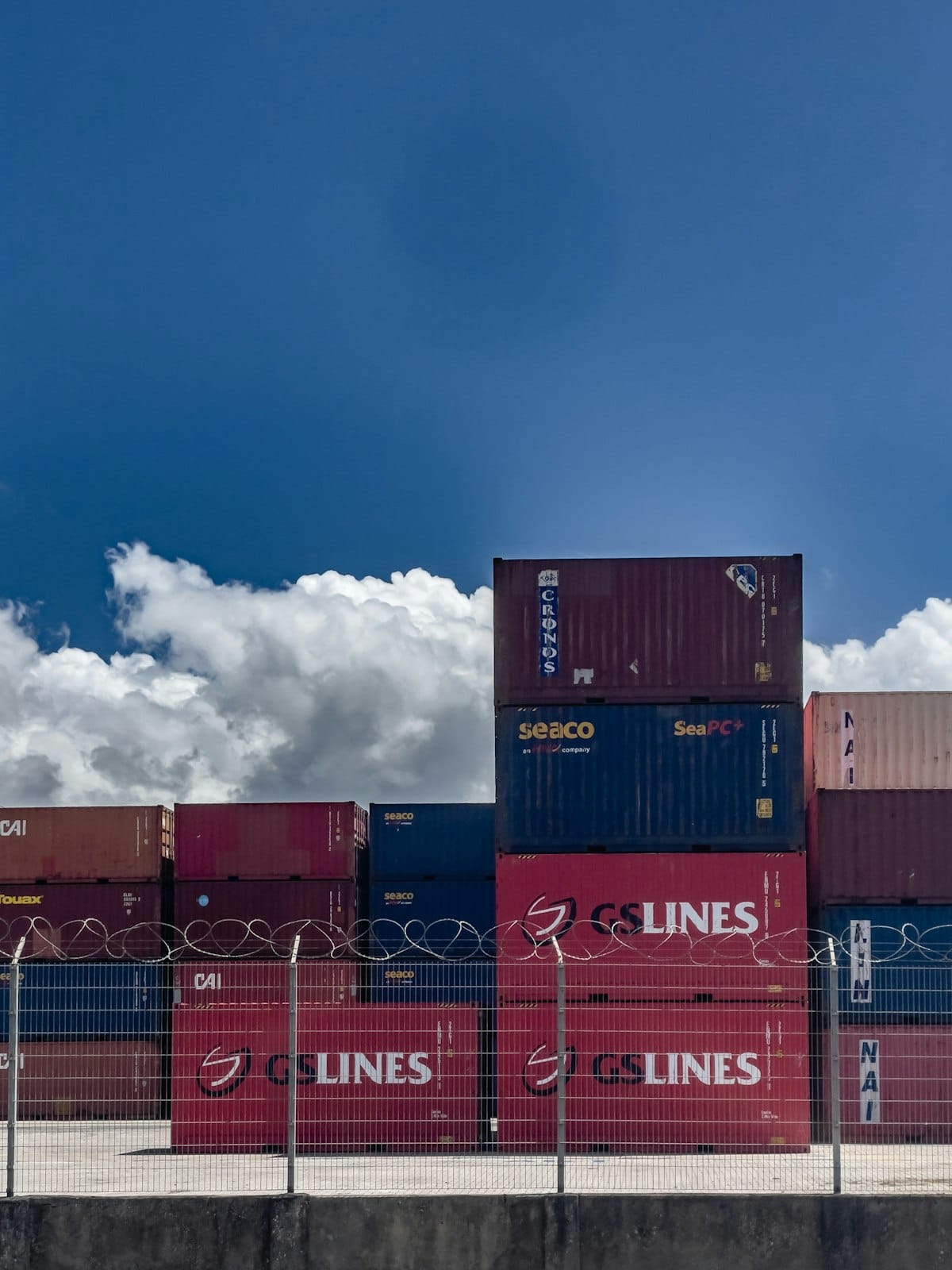
Services, the workhorse of Portugal's external accounts since the post-pandemic tourism boom, slipped €167 million from the 2025 base. The Bank of Portugal attributes the drag almost entirely to transporte marítimo (maritime cargo transport): freight-rate inflation tied to Red Sea diversions has pushed Portuguese importers' chartering bills higher, even as exports moved through the same lanes. The viagens e turismo (travel and tourism) sub-line still expanded — Aeroportos de Portugal (ANA) logged +3.0% passenger volumes in May, which the destaque does not yet fold into a euro figure — but not enough to offset the cargo-side outflow.
Primary Income Cushions the Print
The primary-income deficit, which tracks investment income flowing out to non-resident holders of Portuguese debt and equity, narrowed by €468 million. The Bank of Portugal credits lower interest payments abroad — a function of the European Central Bank's rate cuts working through Portugal's external debt service and lower coupon costs on the rolled IGCP (Instituto de Gestão da Tesouraria e do Crédito Público, Treasury and Debt Management Agency) auctions of the past twelve months. That offset is what kept the overall external balance in positive territory.
The Financial Account: Insurers and Households Lead the Outflow
The financial account closed the period at a positive €890 million, signalling net acquisitions of foreign assets. The Bank of Portugal flags two main contributors: insurance companies and pension funds, which extended their foreign debt-security portfolios, and households and the central government, which both deposited additional funds overseas. Pulling in the other direction were non-financial corporations, which reduced foreign asset positions to support capital-expenditure programmes at home, and the central bank itself, whose Eurosystem TARGET2 deposits compressed during the period.
Macro Implications
The April reading still leaves Portugal in surplus territory — the eleventh consecutive cumulative four-month surplus since 2021 — but the slope is now downward. The Ministério das Finanças (Ministry of Finance) Stability Programme projects a +1.2% of GDP external balance for 2026, which the €814 million April print is still consistent with provided the second-half services surplus holds. The June Economic Bulletin had already nudged the 2026 import-growth forecast up to 3.7% on the back of the Sines data-centre build-out, so Thursday's release lands inside the central forecast rather than forcing a revision. The next monthly update is scheduled for 17 July with May data.