Banco de Portugal Hands Sérvulo a Two-Year Ajuste Direto Mandate for Imóveis Decision Support — Sem Concurso Brief Covers the New Sede, Edifícios em Tosco and Disposal Calls
Sérvulo picks up a two-year specialised real-estate advisory at the central bank without a public tender — covering the contested €191.99M Entrecampos sede, structurally concerning buildings, and a slate of disposals BdP needs to push through.

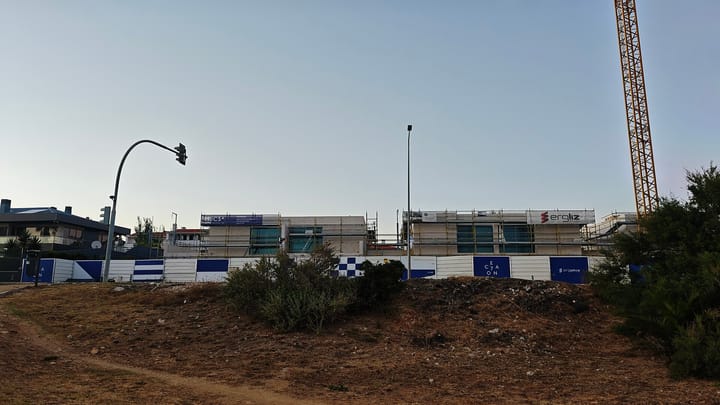
The Banco de Portugal (BdP) has handed law firm Sérvulo a two-year specialised legal advisory contract on real-estate matters using the ajuste direto (direct adjustment) route, dispensing with a public tender, Público reported on Saturday 6 June 2026 from the central bank's published procedure documents. The brief covers decision-making across BdP's troubled property portfolio: the new headquarters under construction at Entrecampos, terrains earmarked for disposal, buildings the bank needs to vacate and sell, a temporarily occupied building scheduled for exit, and one building flagged as in concerning structural condition.
The award lands against an unflattering backdrop. The Sede do Banco de Portugal file — BdP's plan to consolidate its scattered Lisbon footprint into a single complex on the former Feira Popular site in Entrecampos — has been a slow-burn governance story since Observador's earlier investigation flagged 16 serious contingencies on the deal, classified "high risk" by engineering firm Ficope, alongside what Sérvulo's own due-diligence work labelled multiple "red flags". The bank committed to acquiring buildings em tosco (shell-and-core, structurally complete but unfinished) at a headline €191.99 million from Fidelidade without firm licensing guarantees in hand — a sequencing decision the Conselho de Auditoria (audit council) has repeatedly pressed on internally.
That same Sérvulo is now retained, sem concurso, as the standing real-estate counsel for the next two years is the politically combustible element. Both current governor Álvaro Santos Pereira and his predecessor Mário Centeno have faced parliamentary scrutiny on BdP's property dossier through hearings at the Assembleia da República's economy and finance committee. The choice to award the follow-on advisory by direct adjustment — rather than open it to competitive bidding among the half-dozen Portuguese sociedades de advogados with comparable public-sector real-estate practices — narrows the procurement trail at exactly the moment the file invites more, not less, scrutiny.
BdP enjoys statutory latitude on procurement that ministerial bodies do not: its regulamento interno permits ajuste direto under broader thresholds than the Código dos Contratos Públicos (Public Contracting Code) imposes on Administração Central agencies, and the central bank's own contracting procedures page lists multiple direct-award entries each year. The bank typically defends the practice by pointing to the specialised, sequential nature of advisory work that builds on prior counsel knowledge of the file. Critics counter that the very reason for competitive procurement is to test whether that institutional knowledge is being correctly priced.
The Tribunal de Contas (Court of Auditors) has previously asked BdP for clearer documentation of value-for-money assessments on direct awards involving legal services. The Conselho de Auditoria, BdP's internal oversight body composed of external members, has the standing to follow up on this specific contract through the bank's 2026 annual report — typically published in May of the following year.
For Sérvulo, the rolling brief consolidates a position already built up through prior mandates on the Entrecampos acquisition. For BdP, the immediate operational question is whether the property strategy itself — consolidating versus selling and leasing back — gets reassessed under the new mandate, or whether the legal advisory simply formalises decisions already taken upstream by the bank's administração.