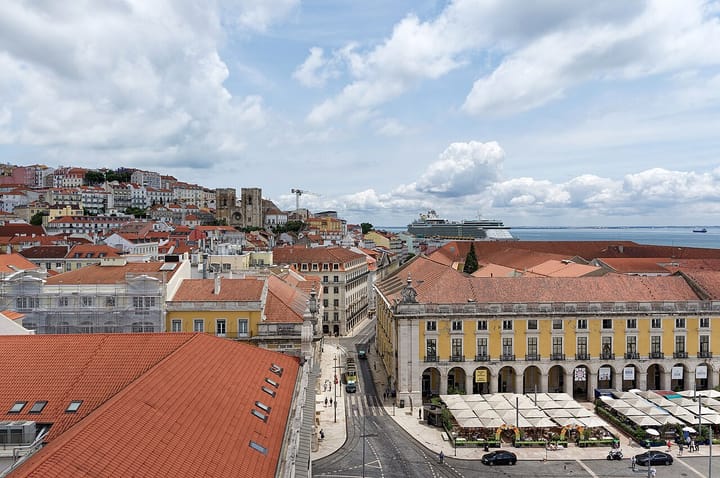
Aviation Veterans Trace Lisbon Airport Chaos to 'Saturação Estrutural' as Vinci's 29 May Reinforcement Lifts Border Boxes to 34 and E-Gates to 32 — A Decade of 70% Passenger Growth Has Met an Unchanged Terminal Footprint
Veterans of Portuguese aviation reframed the Lisbon airport queues story on Thursday — the cause is 'saturação estrutural', a decade of 70% passenger growth absorbed by an unchanged terminal. Vinci's 29 May reinforcement lifts boxes to 34 and e-gates to 32.
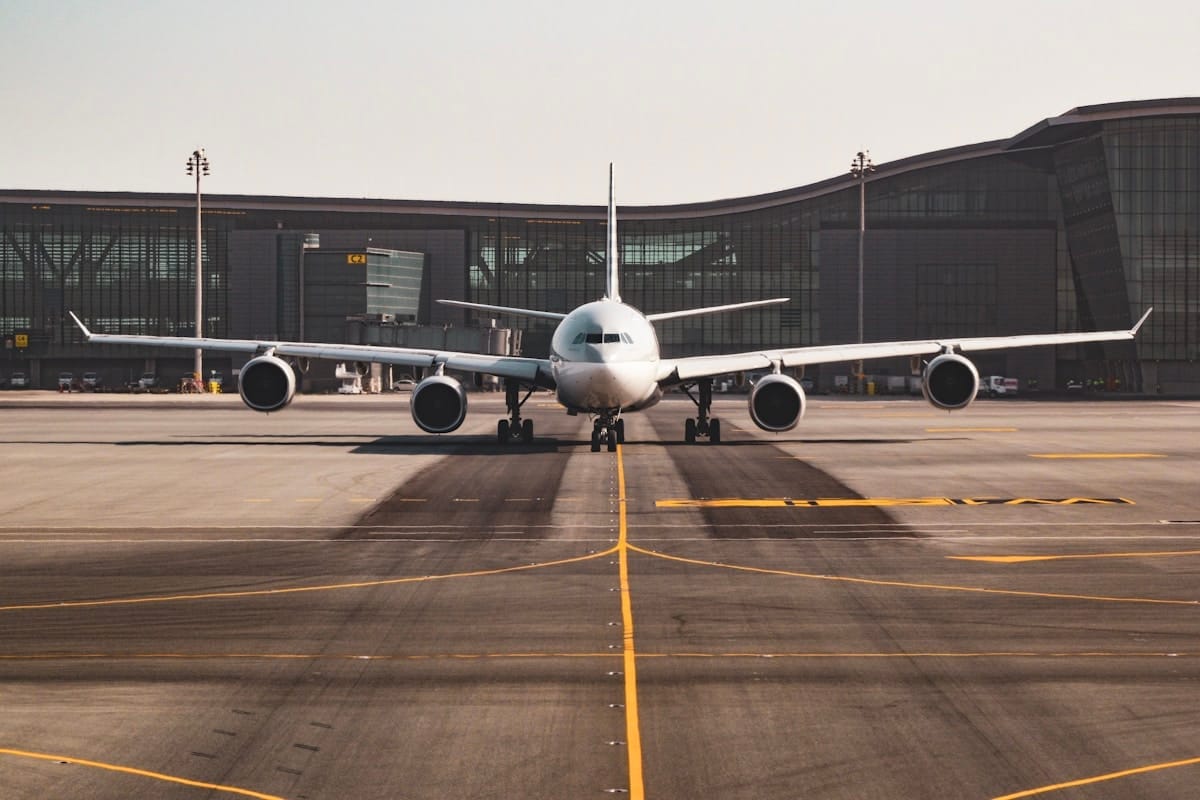
Three veterans of Portuguese aviation reframed the Lisbon airport chaos story on Thursday 28 May 2026 in coverage by Lusa and Público: the EES is the trigger, but the underlying cause is 'saturação estrutural'. Former Iberia, PGA and SATA manager Rui Quadros, ISEC Lisboa professor Maria Baltazar and SkyExpert founder Pedro Castro converged on the same diagnosis — a decade of nearly 70% passenger growth has been absorbed by an unchanged terminal footprint at Humberto Delgado, and the new European border system has merely exposed the gap.
The capacity arithmetic is brutal. Lisbon handles more than 10 million non-Schengen passengers a year — the largest absolute non-Schengen flow in Portugal, concentrated across morning and afternoon banks. Faro carries proportionally even more weight, with non-Schengen traffic above 50% of its passenger mix, mostly British. The same two airports are now reading queues of two to two-and-a-half hours on arrival even before the high-season peak begins, with images of the disorder picked up by CNN International earlier in the week.
Vinci-owned ANA's operational response lands on Friday 29 May. Lisbon's border control will shift from 20 manned boxes and 18 e-gates to 34 boxes and 32 e-gates — a near-doubling that ANA briefed in the week before the change. The expansion uses physical space already inside the arrivals hall and does not add wider terminal capacity, which means the relief is gated to whatever fronteira staff the SEF-successor service can rotate through the additional positions during peak slots.
The European frame matters too. The ACI Europe 45-airport survey out on Wednesday 27 May fixed the EES adaptation period at queues up to 3.5 hours across the continent, and the EU has formally accepted two-hour waits as a temporary norm. Greece has gone further, suspending EES during peak season; Prime Minister Luís Montenegro called this week for a similar option in Portugal during 'critical hours' to protect the tourism economy. Brussels has so far offered support without endorsing the suspension route, and Commissioner Henna Virkkunen's intervention earlier in the week stopped short of changing the policy ceiling.
Tourism intermediaries are reading the structural argument with concern. APAVT president Pedro Costa Ferreira flagged reputational damage to Portugal's non-Schengen markets as the central risk, while ANAV's Miguel Quintas warned that initial negative experiences will harden into a competitiveness problem for the destination. AHP vice-president Cristina Siza Vieira told the same outlets that no measurable booking drop has appeared in the data so far, but that the social-media amplification cycle creates an annual recurring risk regardless of when EES is finally bedded in.
The longer read is that the 'estrutural' word matters. A 70%-in-a-decade growth profile combined with a fixed terminal footprint means each new screening or border layer absorbs the spare capacity that used to be the system's buffer. Whether the long-awaited Aeroporto Luís de Camões at Alcochete arrives on its 2032-2034 envelope or slips again, Lisbon's Schengen-frontier function will keep concentrating the stress until that runway capacity actually opens.