Assembleia da República Spurns PCP and Bloco de Esquerda Lajes Inquiry Proposals on 3 June — PSD, Chega, PS, IL and CDS Block Formal Probe of US Base Use During Iran Operations
Parliament rejected on 3 June PCP and Bloco de Esquerda proposals for a formal inquiry into the Government's authorisation of US use of the Lajes airbase during the Iran operation — PSD, Chega, PS, Iniciativa Liberal and CDS all voted against, leaving political scrutiny to the standing committee.
The Assembleia da República (Assembly of the Republic) on Tuesday, 3 June 2026, rejected two parallel proposals for a formal parliamentary inquiry (inquérito parlamentar) into the Portuguese Government's authorisation of US use of the Base das Lajes on Terceira, Açores, during the conflict with Iran. The proposals — one tabled by PCP (Partido Comunista Português) and one by Bloco de Esquerda — were defeated with votes against from PSD, Chega, PS, Iniciativa Liberal (IL) and CDS. Scrutiny of the authorisation therefore stays inside the Assembleia da República's Comissão de Defesa Nacional rather than escalating to a dedicated inquiry commission.
What the Inquiry Would Have Done
An inquérito parlamentar under the Lei n.º 5/93 carries subpoena powers, the authority to compel sworn testimony from members of the Government and senior officials, the right to call witnesses outside the Government chain, and a structured written-report obligation that lands on the parliamentary record. It is the strongest instrument of legislative oversight on executive decisions in the Portuguese constitutional order, sitting one notch below an Assembleia da República censure motion.
The PCP and Bloco proposals would have opened a formal investigation into the chain of decisions that produced the "autorização condicionada" (conditional authorisation) granted to US forces for use of the Lajes airbase during the Iran operation, the supporting communications between the Ministério dos Negócios Estrangeiros (Ministry of Foreign Affairs) and the US administration, and the operational read on whether Lajes-based assets were actually used in any strike package.
Why Each Party Voted Against
- PSD (governo): the governing party has consistently maintained that no Açores-based assets were used in any attack and that the authorisation was a routine bilateral exercise inside the Acordo de Cooperação e Defesa Luso-Americano (US-Portugal Cooperation and Defence Agreement). An inquiry, from the governo's perspective, would invite an unproductive review of the bilateral framework itself.
- Chega: aligned against the inquiry on the procedural argument that political scrutiny is sufficiently covered by direct questioning of the Foreign Minister in committee.
- PS (oposição principal): PS understood that "at this moment, given the delicacy of the subject, the most appropriate parliamentary instrument is direct political scrutiny of the Government in the respective commission." PS earlier called the Lajes communications around US Secretary of State Marco Rubio's statements a "humiliation", but is steering scrutiny to the committee route.
- Iniciativa Liberal: wants more clarification but rejects an inquiry commission as the wrong instrument. IL has tabled written parliamentary questions instead.
- CDS: voted against on the same coalition-arithmetic line as PSD.
The vote left PCP and Bloco isolated on the inquiry instrument, with PAN and Livre also unable to muster a viable majority for the alternative committee-based proposals they had floated.
The Operational Context
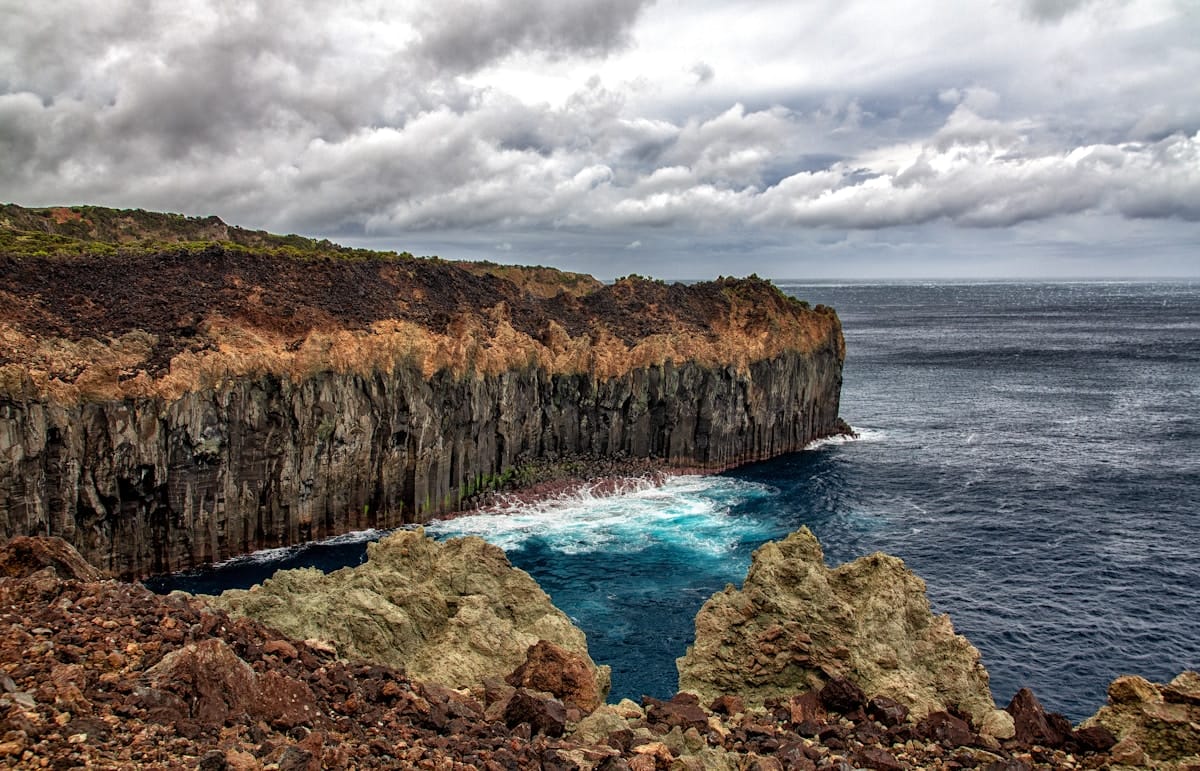
The Base das Lajes, on Terceira island in the Açores, has been a US-Portugal joint-use installation since 1944 under the original bilateral defence agreement. US operational use has waxed and waned across the Cold War and post-Cold War periods, with the most recent draw-down phase running from 2015 through the early 2020s. The Iran operation triggered a fresh round of bilateral coordination on overflight, refuelling and forward-staging access.
The Assembleia da República already moved in late May to hear Foreign Minister Paulo Rangel on the Rubio statements; that hearing established the political scrutiny channel that PSD, PS and others now point to as the appropriate forum.
Why This Lands Now
President Henrique Gouveia e Melo is in Terceira this week for the 10 June Dia de Portugal (Portugal Day) commemorations, with the Lajes question shadowing the ceremony. The geographic optics of the national-day speech being delivered from the same island as the contested airbase ensures the issue remains in the political conversation through the week, even with the inquiry route now closed.
What This Means for Expats
- Foreign-policy watchers: the 3 June vote is the most significant recent test of parliamentary appetite for structured oversight of bilateral defence agreements. The PS-PSD convergence against the inquiry, despite the PS framing the Lajes question as a "humiliation", is the structural signal — even the main oposição party is unwilling to use the strongest instrument of legislative oversight on a defence-bilateral matter.
- Açores residents: the operational read for the Base das Lajes remains the bilateral framework rather than a parliamentary review. Local employment and procurement around the base track the bilateral agreement renewals, not the Lisbon debate.
- Civic-trust observers: the convergence of five parties against the inquiry instrument, on a question where four parties (PS, BE, PCP, Livre) have publicly criticised the Government's handling, is a useful data point on how the Portuguese political system processes contested defence decisions.
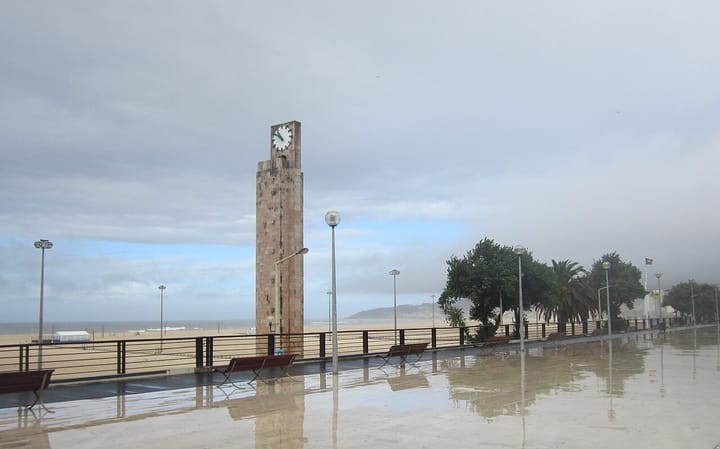
- Anyone planning travel through Terceira on 10 June: expect protocol-level security density around Praia da Vitória and the Câmara Municipal de Angra do Heroísmo through the Dia de Portugal ceremony.
The next checkpoints are the President's 10 June Dia de Portugal speech from Terceira, follow-on questions to Foreign Minister Rangel in the Comissão de Defesa Nacional, and any further IL or PS written questions that surface additional documentation on the conditional authorisation.