As August Approaches, Portugal's Hollowed-Out Interior Waits for Its Emigrants to Come Home
Each summer, interior villages inhabited mostly by the elderly fill again as emigrants return from France, Luxembourg and Switzerland for the festas. The annual homecoming is a window into deep depopulation — and, for expats eyeing cheap inland stone houses, a caution as much as an opportunity.
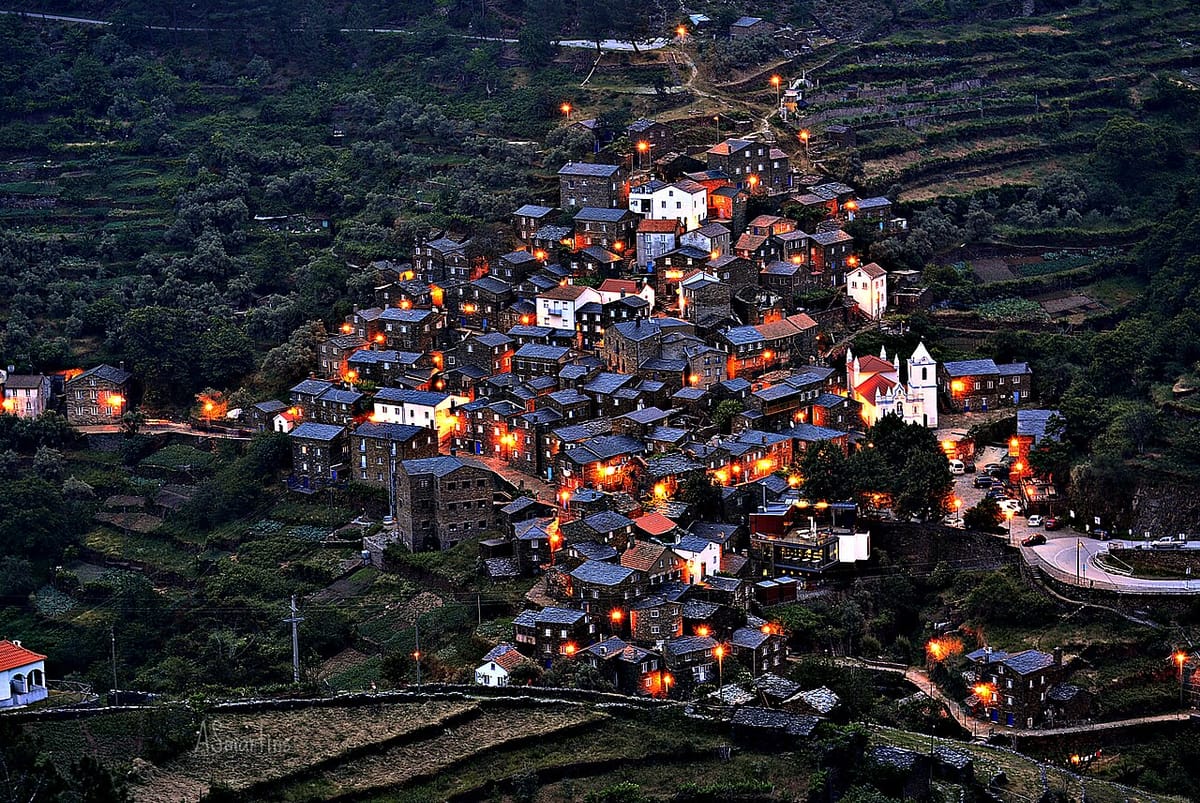
Every summer the same quiet drama plays out across Portugal's interior. In villages that spend eleven months of the year inhabited mostly by the elderly, shutters open, cafés refill, and streets that echoed in February suddenly hum again. The reason is the annual homecoming of the emigrantes — the emigrants and their children, back from France, Luxembourg, Switzerland and beyond for the festas of July and August.
This week, broadcasters filmed communities in the interior openly counting down to the arrivals, and the scene is a useful window into one of the country's deepest structural problems — and, for newcomers, one of its stranger opportunities.
A depopulation with deep roots
The emptying of Portugal's interior began in earnest in the 1960s and 1970s, when hundreds of thousands fled rural poverty — and, for young men, the risk of conscription into the colonial wars — for the factories of northern Europe and the safety of the coast. They rarely severed the tie. With their earnings they built houses back home, often the largest and newest on the street, and returned each August to occupy them. Two or three generations on, the pattern persists: the villages are demographically hollow, their permanent population old and shrinking, their built stock swelling with homes that stand empty most of the year.
The consequences are visible in every policy file. A thinly spread, ageing interior is harder and costlier to serve with hospitals, schools and transport; it is more exposed when crisis hits, as this summer's red-alert wildfires and heatwave made brutally clear. And it is changing even as the climate shifts the land itself, with warming pushing traditional orchards aside for new crops.
Why this matters to newcomers
For foreign residents priced out of Lisbon and Porto — where house prices lead the EU for growth — the interior can look like the answer: stone houses for a fraction of coastal prices, and municipalities actively courting new arrivals. The reality is more textured than the listings suggest.
- Cheap, but not simple. Bargain prices often come with roofs to redo, no central heating and inheritance-tangled ownership. Verify title carefully before buying.
- The "empty" house may not be for sale. Many of the best-kept homes belong to emigrant families who return each summer and will never sell. What is available is frequently the housing stock nobody came back for.
- Services follow people, not the reverse. A village with a part-time health post and a school an hour away will not gain them because you moved in. Map the practicalities before the romance.
- Taxes still apply. Rural or not, ownership brings the annual municipal property tax — see our guide to the IMI.
There is a genuine opening here. Remote work, incentive schemes for inland municipalities and a slow trickle of returning Portuguese are nudging some interior towns back toward life. But the August boom is also a reminder of what the other eleven months look like. For anyone weighing a move inland, the best time to visit is not the festa — it is the grey, quiet week that comes after everyone has gone home again.