APA's Praia Acessível 2026 Network Maps 248 White-Flag Beaches Across Coast and Rivers — A Practical Atlas for Reduced-Mobility Bathers
Portugal's 2026 Praia Acessível network covers 248 coastal and inland sites, of which 244 are rated for reduced-mobility access — a practical map of the white-flag programme run by APA, INR and Turismo de Portugal for the 2026 bathing season.
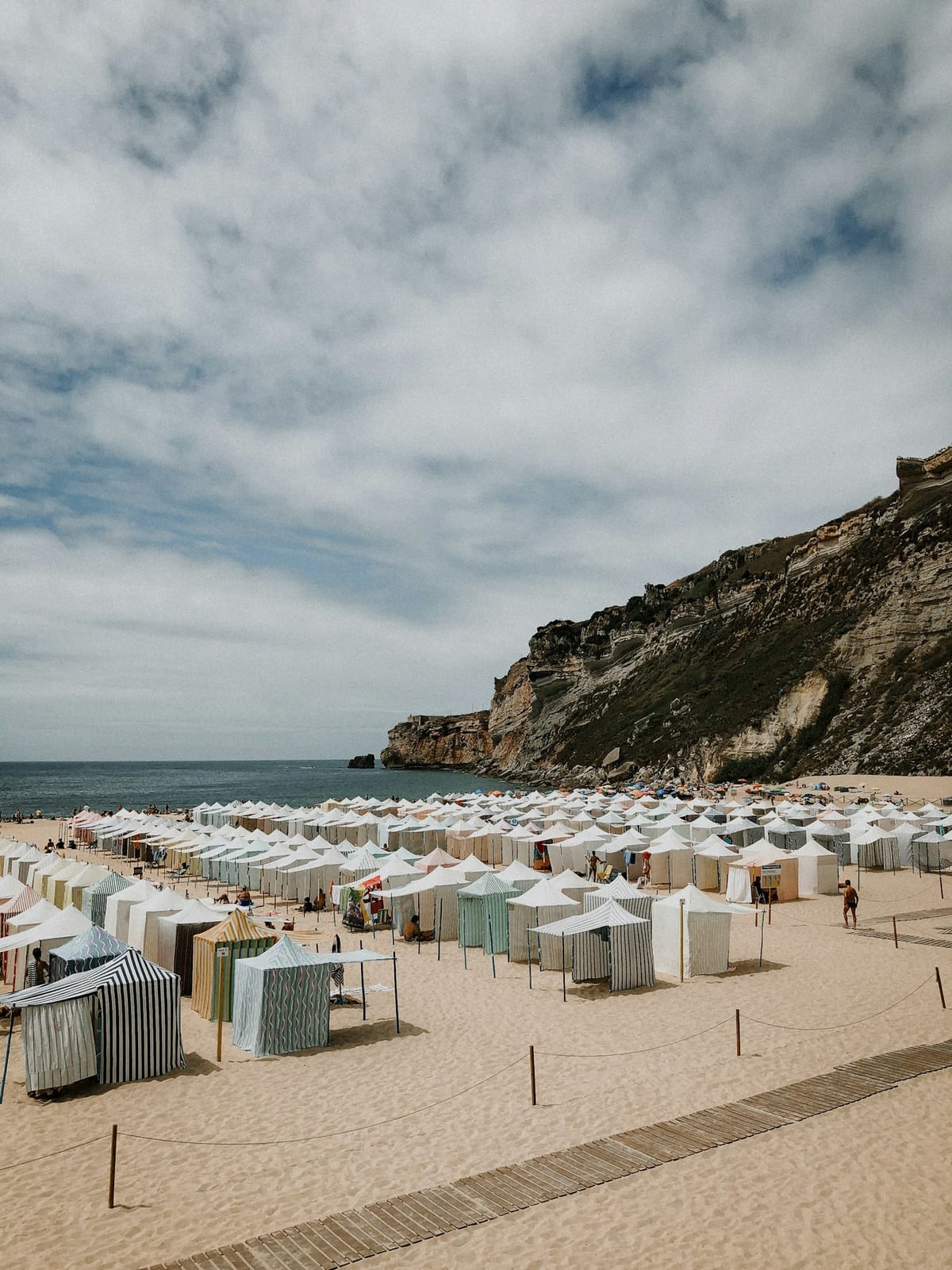
The Agência Portuguesa do Ambiente (APA) has confirmed 248 beaches into the 2026 Praia Acessível, Praia para Todos! (Accessible Beach, Beach for All) network, of which 244 are formally rated as accessible to people with reduced mobility. The list runs across the Atlantic coast, the Algarve, the Açores, Madeira and a growing inland file of river beaches, and is identified at the sand by a white flag carrying the programme's blue-and-yellow Accessible Beach symbol.
The programme was created in 2004 in the wake of the European Year of Persons with Disabilities and is co-run by three agencies: APA holds the technical guardianship of bathing-zone standards, the Instituto Nacional para a Reabilitação (INR — National Institute for Rehabilitation) sets the accessibility criteria from the perspective of users, and Turismo de Portugal coordinates with municipalities on infrastructure investment. Applications for the 2026 edition closed on 31 March, and the final list locks in the network municipalities will field through the bathing season that runs to mid-September.
What a white flag actually guarantees. The technical criteria are non-trivial. A beach awarded the Praia Acessível flag must provide reserved parking close to the entrance, a fully accessible pedestrian route from car park to sand, a hard walkway across the dune line, accessible sanitary facilities including changing rooms, and a designated supervised section of the bathing area. A subset of beaches — those that qualify for the more demanding "praia com acesso à água" extension — also stock cadeiras anfíbias (amphibious wheelchairs) and trained lifeguards capable of supporting transfer into the water. The APA's published Critérios Técnicos document, last updated for the 2024 cycle, is the binding reference.
Where the network sits. The 2026 list distributes broadly: the Algarve concentrates the largest single-region count thanks to Loulé, Lagos and Albufeira, which between them carry double-digit award counts; the Lisboa metropolitan area is anchored by Carcavelos, Caparica, Costa de Santo André and Estoril; the Açores list is led by São Miguel; Madeira's calhau (volcanic pebble) coast carries a smaller cluster centred on Funchal and Machico; and the Centro and Norte rivers contribute the inland leg via beaches on the Mondego, Vouga, Cávado and Lima — the file the APA grew most aggressively over the past three editions.
The 2025 season closed with what the agencies called a record showing on accessibility, and INR has publicly signalled tightened auditing for the 2026 cycle — meaning the white flag should be more reliably present where promised, rather than missing in mid-summer because of weather damage or short staffing.
What This Means for Expats
- Where to find the list: The full geo-referenced 2026 list is published by APA at apambiente.pt under "Praias Acessíveis". Visit Portugal also mirrors it in English at visitportugal.com.
- Equipment loans: Amphibious wheelchairs at the qualifying beaches are loaned free of charge during lifeguard hours — typically 09:30 to 19:00 in high summer. Booking ahead is recommended at the busier sites (Carcavelos, Praia da Rocha, Praia da Falésia).
- Reserved parking: The reserved spaces nearest the access ramp are governed by the standard Portuguese Cartão de Estacionamento (the EU disability parking card). Foreign-issued cards under EU mutual recognition are valid; non-EU cards should pair with a printed translation to avoid municipal fining disputes.
- What is NOT covered: The white flag does not guarantee accessible food service or bar facilities behind the beach line — those are a separate municipal-licensing matter and quality varies widely.
- River beaches for inland residents: If you live in Centro or Norte and find the coastal drive impractical, the river-beach leg of the network has grown faster than the coast and now offers genuinely competitive options.
For families and visitors with mobility needs, the 2026 edition makes Portugal one of the most comprehensively mapped accessible-bathing systems in Southern Europe — but the practical answer to "will it work today?" still depends on calling the local Capitania or Câmara before driving.