111 Million Euros to Save Portugal's Battered Coastline
The Portuguese government has announced a 111-million-euro investment plan to repair and reinforce the country's Atlantic coastline, following months of devastating storm damage that left nearly 750 recorded incidents across 45 coastal...
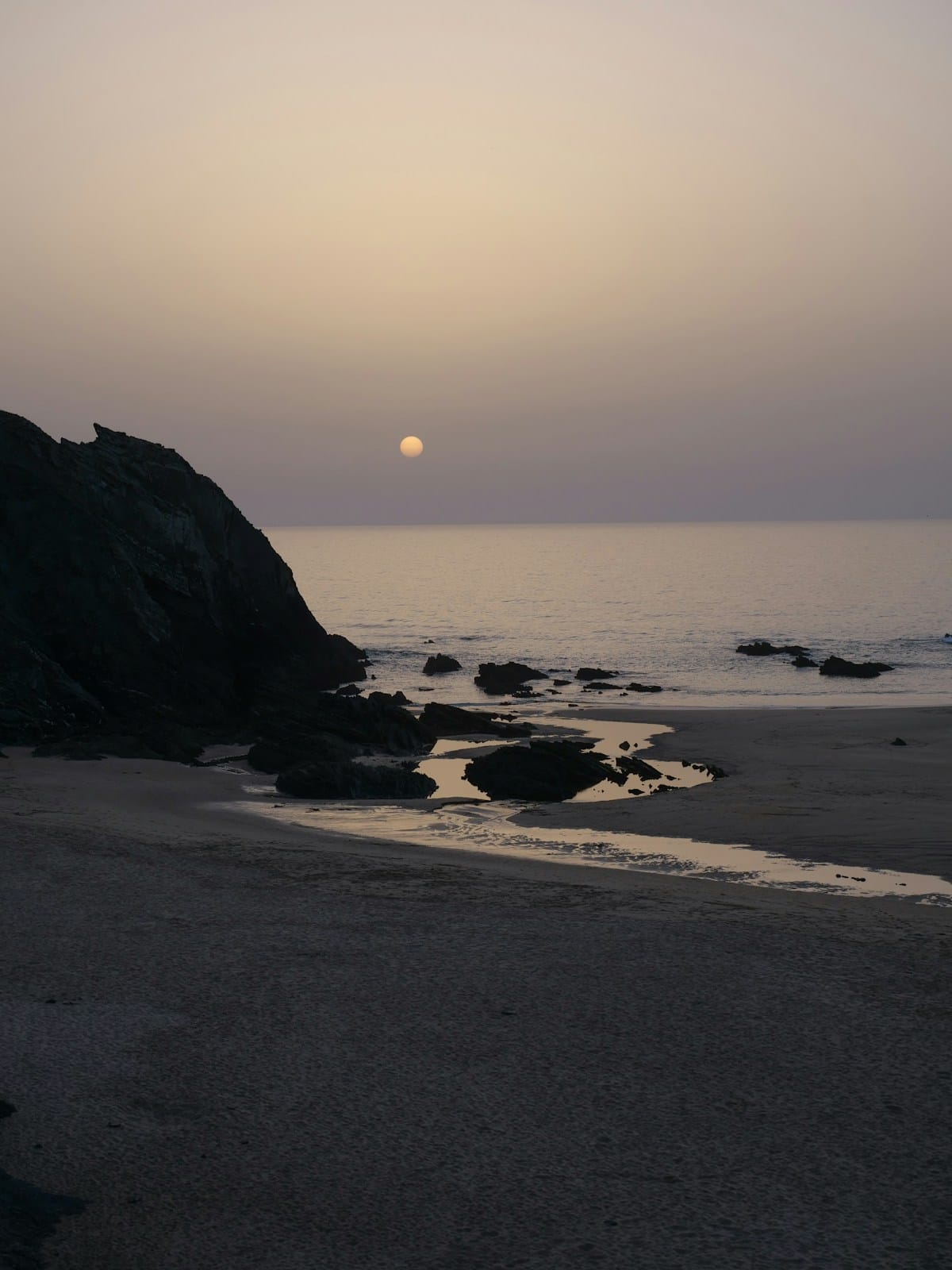
The Portuguese government has announced a 111-million-euro investment plan to repair and reinforce the country's Atlantic coastline, following months of devastating storm damage that left nearly 750 recorded incidents across 45 coastal municipalities.
The plan, presented by Environment and Energy Minister Maria da Graça Carvalho, is based on a comprehensive damage assessment by the Agência Portuguesa do Ambiente (APA). The findings paint a sobering picture of what the winter of 2025-26 did to Portugal's coast.
The Scale of the Damage
Between October 2025 and February 2026, a succession of Atlantic storms pounded the Portuguese littoral with unusual intensity. The APA report catalogued 749 separate incidents, of which 571 were classified as critical. The damage spans the full length of the continental coast: eroded beaches, retreating shorelines, collapsed sea defences, destroyed boardwalks, and compromised access routes.
Coastal erosion accounts for 36.7 percent of the recorded damage, while cliff instability makes up another 30.6 percent. Nearly half of all incidents — 43.3 percent — involve damage to beach access infrastructure. Almost every beach on the continental coast experienced significant sediment loss.
The central region bore the brunt, with 257 recorded incidents. The municipality of Ovar alone reported 204 separate damage events.
A Phased Response
The investment is structured in stages. The most urgent allocation — 15 million euros — targets repairs that must be completed before the bathing season opens in May. Another 12 million euros will follow by the end of 2026. A further 31 million euros is earmarked for 2026-27, with the remaining 53 million euros dedicated to longer-term structural coastal adaptation from 2028 onward.
In total, the plan includes 86 urgent works to be completed this year, 40 medium-term interventions over the next two years, and 18 operations already underway. The works range from rebuilding beach access points and reinforcing dune systems to stabilising cliff faces and carrying out artificial beach nourishment — the practice of pumping sand onto eroded beaches.
Immediate funding will come from the Fundo Ambiental, while longer-term projects will be integrated into the Sustentável 2030 programme.
Beyond the Beach
The government has also signalled plans for a parallel programme to address damage to river banks and flood defences, including dike rehabilitation, under the PTRR — Portugal's national recovery and resilience framework.
For Portugal's coastal communities — including the many foreign residents who have settled in Algarve towns, along the Silver Coast, and in beach-adjacent areas of Greater Lisbon — the investment addresses a growing anxiety. Climate models consistently project more intense Atlantic storms in the decades ahead, and the erosion trends documented this winter are not anomalies but accelerations of long-standing patterns.
The bathing season deadline adds practical urgency. Tourism accounts for roughly 15 percent of Portugal's GDP, and beach infrastructure is central to that economy. Reopening safe, accessible beaches by May is not just a public safety matter — it is an economic imperative.
Whether 111 million euros is enough to address what the ocean has done — and what it will continue to do — is a question the government has, for now, deferred to 2028 and beyond.
Related: Fire at Sandra Ortega's Luxury Troia Resort Triggers Criminal Investigation