Via do Infante Year One Without Portagens — A22 Logged 355 Accidents and 105 Injured in 2025, Up 64% on 2024, Even as Road Fatalities Fell to Zero
The first full year without tolls on the A22 turned the Algarve’s east-west highway into a busier and more dangerous road. GNR data released on 27 April 2026 and reported by Lusa, RTP, SIC Notícias, Observador and Diário de...
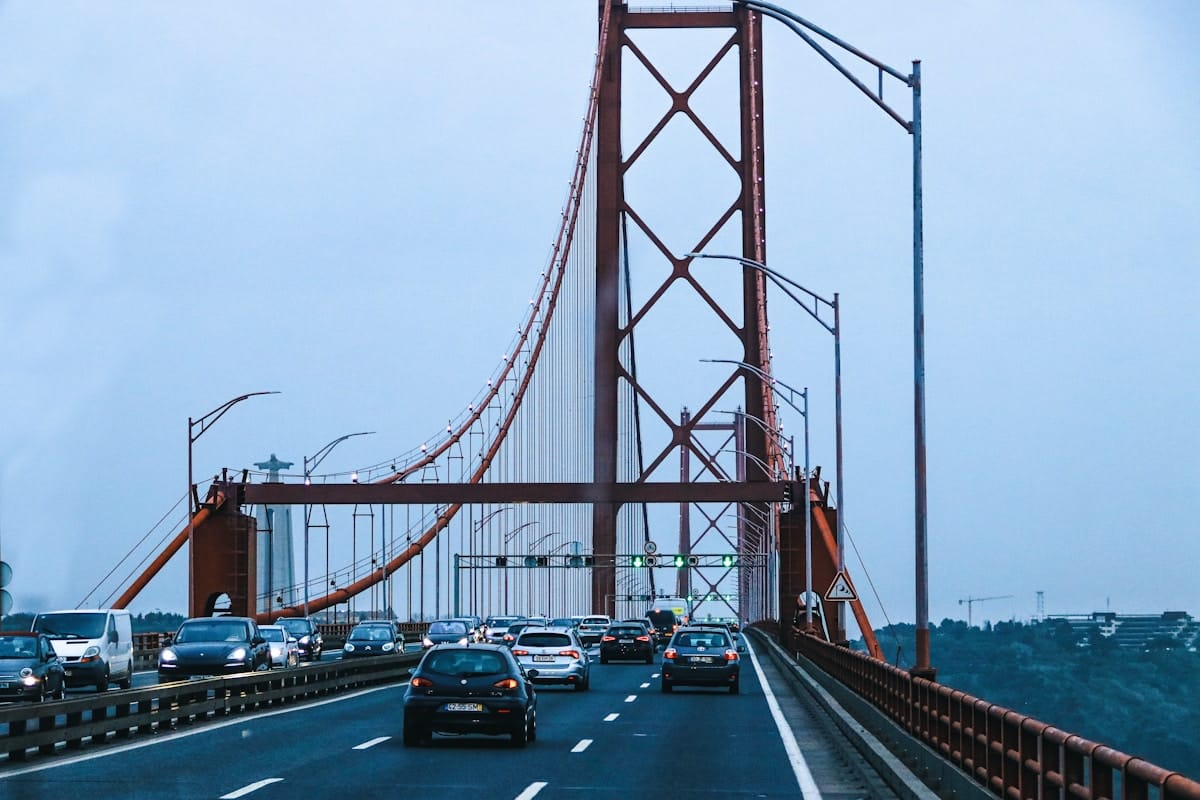
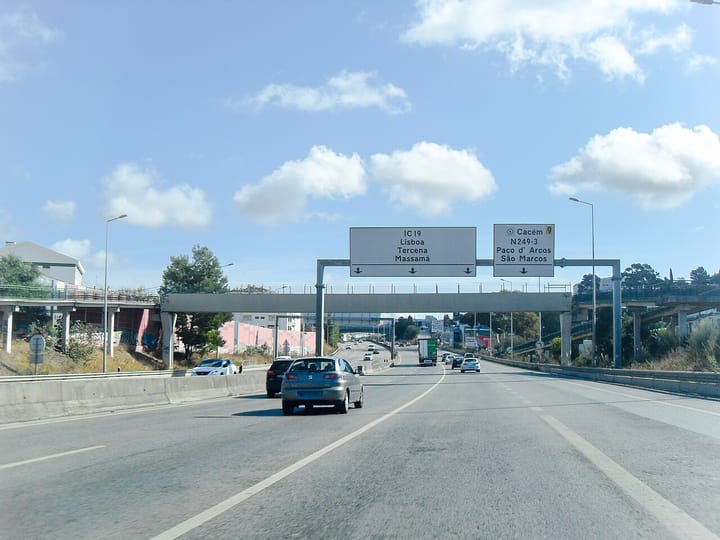
The first full year without tolls on the A22 turned the Algarve’s east-west highway into a busier and more dangerous road. GNR data released on 27 April 2026 and reported by Lusa, RTP, SIC Notícias, Observador and Diário de Notícias show 355 accidents on the Via do Infante in 2025 — 139 more than the 216 logged in 2024, a year-on-year increase of about 64%. The number of injured almost doubled, from 47 to 105, and serious injuries jumped from three to fourteen.
The single sliver of good news is at the top of the casualty pyramid: zero road deaths on the A22 in 2025, down from two in 2024.
What the GNR Counted
Year-on-year, on the same stretch of motorway running from Lagos to Castro Marim:
- Total accidents: 216 in 2024 → 355 in 2025 (+139, +64%)
- Injured: 47 → 105 (+58, +123%)
- Serious injuries: 3 → 14 (+11)
- Minor injuries: 87 → 148 (+61)
- Fatalities: 2 → 0
The GNR’s reading is straightforward: “the elimination of tolls on the A22 boosted traffic volume, which may contribute to more accidents.” Regional bodies put the post-portagens traffic increase at roughly 30%.
How the A22 Became Toll-Free
Tolls were lifted from the Via do Infante on 1 January 2025, ending the SCUT-era charging regime that had been in place since December 2011. The decision was a long-standing demand of Algarve municipalities and the regional Comissão de Utentes da Via do Infante, who argued the tolls pushed Algarve commuters and tourist traffic onto the parallel EN125, a single-carriageway road with a far worse safety record.
The trade-off the region accepted was foreseeable. Free circulation drew traffic back onto the A22, restoring it as the natural east-west spine of the Algarve. The numbers now confirm that more vehicles on a 130 km/h motorway means more incidents, even as the EN125 sees less of the heaviest pressure.
Drivers Complain About the Road Surface
Beyond the volume effect, motorists are pointing at pavement quality. The stretch between Alcantarilha and the Faro airport access draws the most complaints, with drivers reporting persistent vibrations transmitted through the suspension. The Comissão de Utentes is asking the Government to put in place a regular maintenance plan for the highway and to reopen its supervisory pressure on the concession.
The concessionaire, Autoestrada do Algarve, told reporters it fulfils “the obligations of conservation, maintenance and inspection that fall to it under the concession contract.” The Instituto da Mobilidade e dos Transportes (IMT), which oversees the concession, did not respond to questions about whether the contract’s service-level conditions remain adequate now that volumes have shifted upward by roughly a third.
Why It Matters
The post-toll year-one numbers are the first hard data point in a debate the Algarve has had with Lisbon for more than a decade. They suggest that ending the portagens did what supporters wanted — putting traffic back on a motorway built to absorb it — but at a cost of roughly one extra serious injury per month on the A22 and dozens more minor casualties. Whether that ledger looks better or worse than the EN125 alternative will depend on the equivalent 2025 numbers for the secondary network, which the ANSR is expected to publish later this quarter.
For now, the policy implication is narrower. With the A22 now carrying about 30% more vehicles, the maintenance regime built around the pre-2025 traffic profile no longer matches the road. The pressure on Government and IMT this summer will be to renegotiate or reinforce the concession’s upkeep terms before the peak tourism months push volumes up again.
Related on The Portugal Brief: getting a NIF as a new arrival in Portugal. On the autoestrada-operator economics side, our read on Brisa's 2025 financial results — €173.4M net profit (44% below 2024) despite a €860.9M EBITDA lift and 267.7M-transaction (+3.5%) traffic print, with the 35.8% operating-cost jump and €96.2M financial-results swing carrying the hit sets the latest reference. On the road-safety side, our 29 May read on ANSR's preliminary Q1 2026 sinistralidade tape — 102 road fatalities on continental Portugal, a 6.4% YoY step down on 7,742 acidentes com vítimas and 738 feridos graves, with the IC2, EN125 and IC8 corridors carrying the severity tail and excesso de velocidade holding the cause ranking at 31% of casos sets the latest reference. On the motorways, tolls and road-concession side of the file, the €500 million pandemic toll-compensation dispute sets the latest reference. On the motorway-concession and public-private-partnership side of the file, the Brisa motorway-concession renegotiation sets the latest reference. On the motorway-tolls and Via Verde side of the file, our guide to paying Portugal's motorway tolls sets the latest reference.