Portugal Lifts 438 Blue Flags for the 2026 Bathing Season — 396 Beaches, 21 Marinas and 21 Eco-Tourism Vessels Cleared by ABAAE Ahead of the Algarve Reopening
ABAAE has cleared 396 beaches, 21 marinas and 21 eco-tourism vessels for the 2026 Blue Flag — 438 total distinctions, with the first flag raised at Santa Cruz da Graciosa on 3 June.
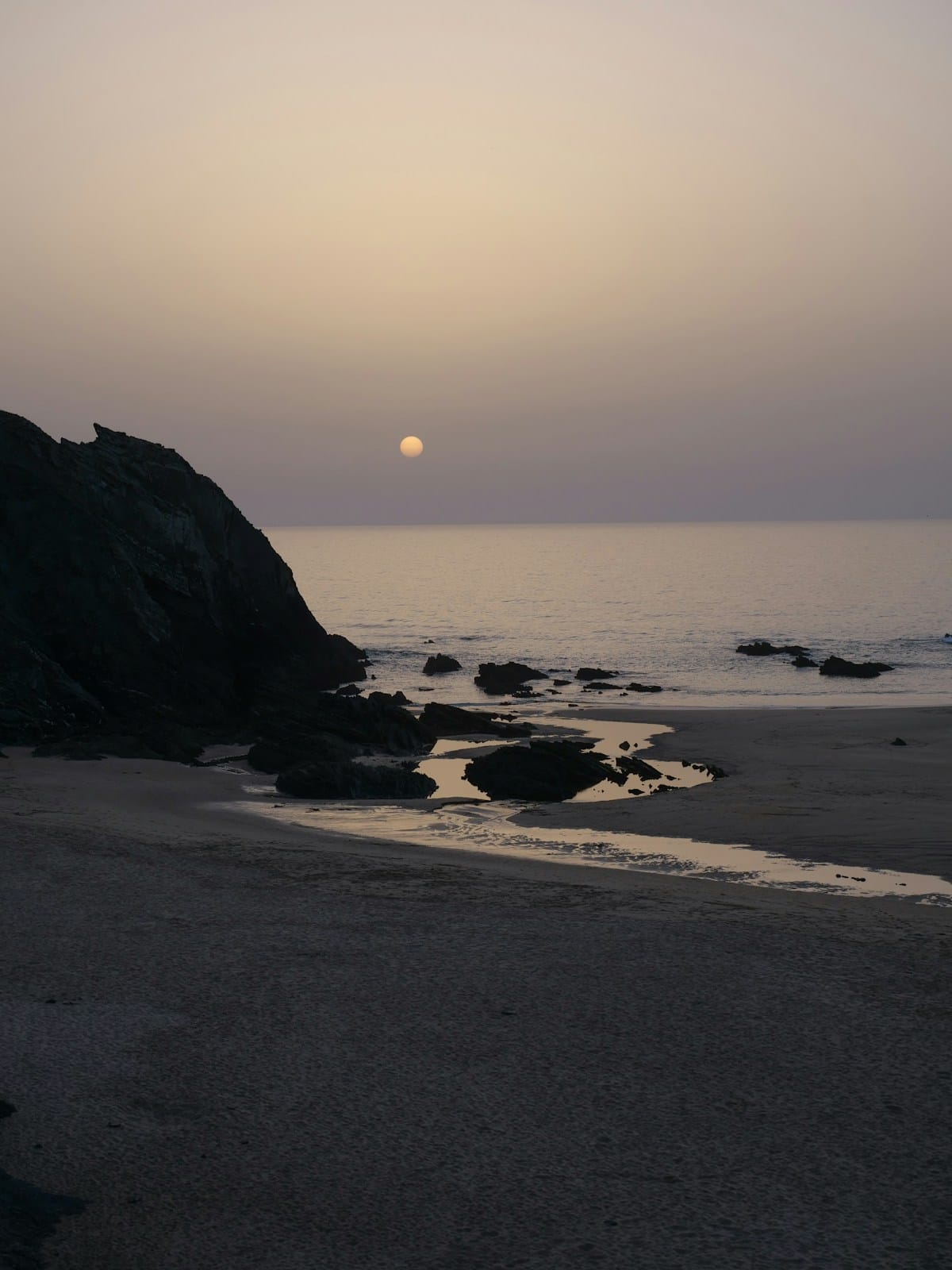
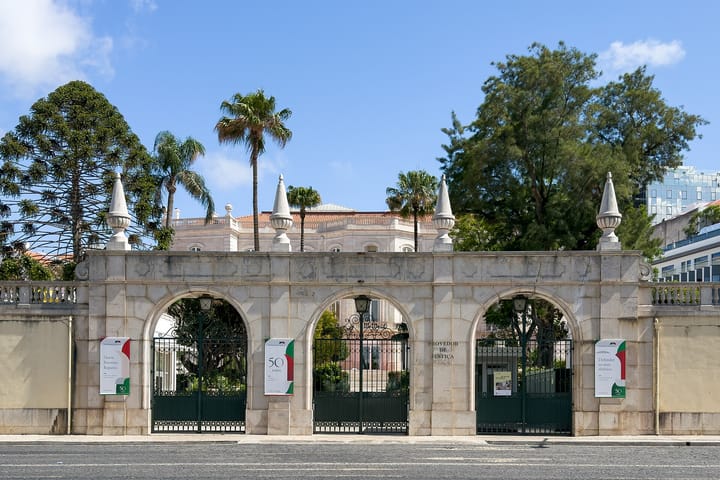
The Associação Bandeira Azul de Ambiente e Educação (ABAAE) has confirmed Portugal's 2026 Blue Flag list, awarding the international quality mark to 396 beaches, 21 marinas and recreational ports, and 21 eco-tourism vessels — a total of 438 distinctions across the country. The announcement, made at the association's annual press conference on 23 April and finalised on 30 April, sets the bar for the bathing season that opens in earnest on the Algarve coast in mid-June.
What the Numbers Show
The 396-beach tally is a slight contraction on the 404 awarded for the 2025 season — itself a high-water mark for the programme — but Portugal's overall standing in the international ranking is unchanged. The country remains in the top tier of the 51 jurisdictions that participate in the Foundation for Environmental Education's Blue Flag programme, alongside Spain, Greece, France, Turkey and Italy.
Of the 396 beaches, the great majority are coastal, with around 50 inland river beaches — a category in which Portugal continues to lead the world. Inland Blue Flag awards depend heavily on rainfall and reservoir levels, and the modest year-on-year drop reflects the dry winter of 2025-26 and stricter water-quality readings on a handful of fluvial sites.
Where the Flags Land
The Algarve, as ever, takes the largest single regional share, with around 85 coastal beaches typically carrying Blue Flag status — by a comfortable margin Europe's densest concentration. The Centro and Alentejo coastlines pick up the next tranche, while the Azores, Madeira and the river beaches of the Beiras, Trás-os-Montes and Alto Alentejo round out the geography. The 21 marinas and recreational ports awarded this year include the Algarve's main yachting hubs and the larger Atlantic-coast marinas at Cascais, Portimão and Vilamoura.
How a Beach Earns the Flag
The Blue Flag is not a marketing badge. To qualify, a site must hit 33 criteria across four categories: water quality (with regular microbiological and chemical testing across the season), environmental management (waste, lifeguarding, accessibility), safety and services, and environmental education and information. Sites can — and do — lose the flag mid-season if water-quality readings deteriorate, as happened to a handful of beaches during last summer's red-algae episodes on the western Alentejo coast.
Calendar for the Season
The first Blue Flag of the year will be raised at Santa Cruz da Graciosa, in the Azores, on 3 June. The first inland flag goes up at Quinta do Barco river beach in Sever do Vouga on 15 June. Most Algarve, Lisbon and Setúbal beaches hoist their flags in the third week of June, in time for the school holidays.
What This Means for Expats
- Plan around the flag map: A current Blue Flag is the most reliable single indicator of water quality, lifeguarding and accessibility. The full searchable list is published at bandeiraazul.abaae.pt.
- Inland options: Portugal has more Blue Flag river beaches than any other country in the world. For families inland — Coimbra, Castelo Branco, Beja, Bragança — there is a viable bathing alternative within an hour's drive.
- Mid-season checks: A flag awarded in April can be lowered in July if water tests fail. Check the live status before heading out, especially after heavy rain or on the Alentejo coast in algae-prone weeks.
- Accessibility: Around a third of coastal Blue Flag beaches now meet the Praia Acessível — Praia para Todos criteria, with adapted bathing chairs and ramped boardwalks.
For a country that earns nearly €30 billion a year from tourism and counts on bathing-water quality as a core competitive asset, the 2026 list confirms that the post-pandemic rebuild of beach infrastructure is broadly holding — even as Portugal's coastline absorbs ever-greater pressure from visitors and from a warming climate. On the 1 June praia-vigiada beach-safety side, our 31 May read on ISN manning the 1 June Praia-Vigiada surveillance window across the Portuguese coast — credentialed nadadores-salvadores under Portaria 53/2014 deploy through 30 September across the 350-plus praias vigiadas, the bandeira verde-amarela-vermelha-xadrez frame governs swimmer admissibility on a daily readout, and the praias-não-vigiadas perimeter on the Costa Vicentina, Costa Alentejana and the remote Açorean-Madeiran coves carries the structural drowning-severity tail sets the latest reference. On the beach-safety, coastal-water and summer-health side of the file, our explainer on the Vibrio beach-safety risk sets the latest reference. On the coastal-environment, beach and marine-pollution side of the file, APA's survey of plastic litter on Portugal's beaches sets the latest reference. On the coastal-management side of the file, the invasive alga Portugal is not allowed to sell sets out why EU law bans placing Rugulopteryx okamurae on the market and which document would unlock it.