University Education in Portugal: A Guide for International Students in 2026
Portugal has emerged as one of Europe’s most attractive destinations for international students, combining respected universities, affordable tuition by Western European standards, and a quality of life that consistently ranks among the...
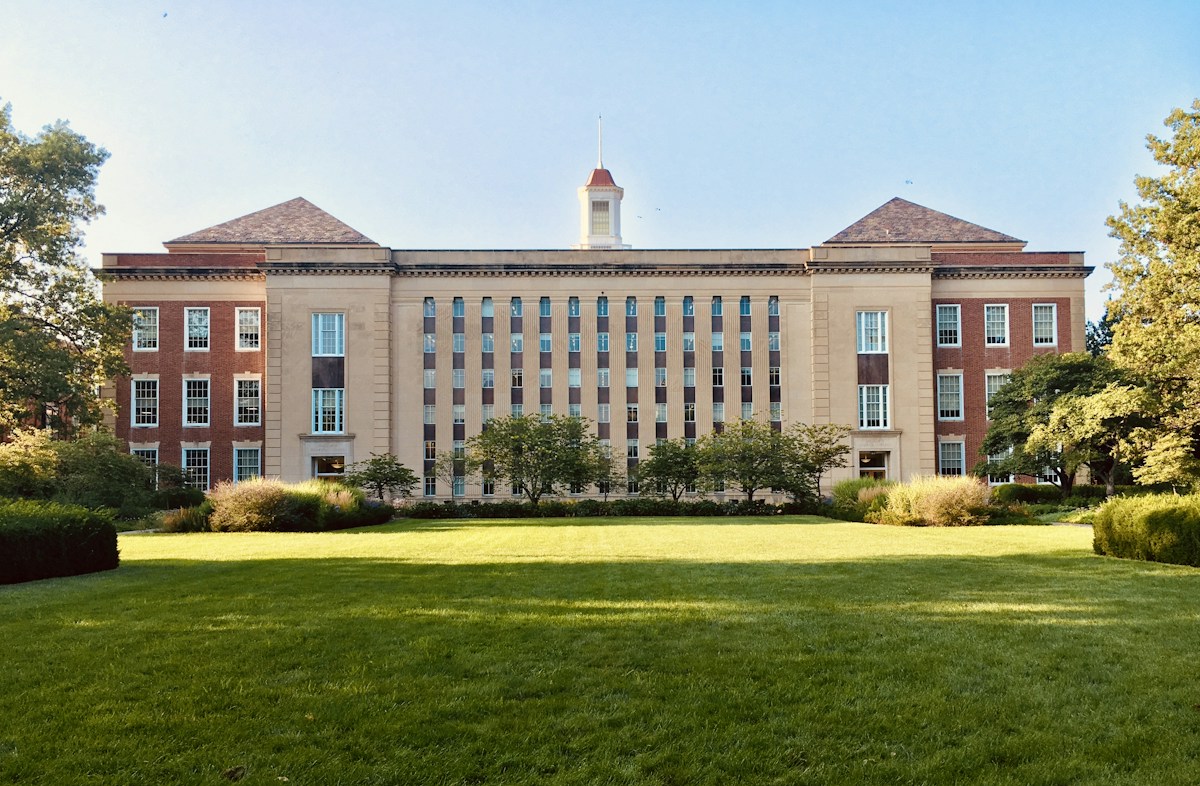
Portugal has emerged as one of Europe’s most attractive destinations for international students, combining respected universities, affordable tuition by Western European standards, and a quality of life that consistently ranks among the continent’s best. Whether you’re considering an undergraduate degree, a master’s programme, or a PhD, understanding how the Portuguese system works will save you significant time and frustration.
The Portuguese University System
Portugal’s higher education follows the Bologna Process structure:
- Licenciatura (Bachelor’s) — 3 years (180 ECTS), sometimes 4 years for engineering and some sciences
- Mestrado (Master’s) — 1.5–2 years (90–120 ECTS)
- Doutoramento (PhD) — 3–4 years
- Mestrado Integrado — Combined 5-year Bachelor’s + Master’s in medicine, architecture, engineering, and some other fields
Two types of institution exist: universities (universidades) focus on academic research and theory, while polytechnics (politécnicos) emphasise applied, vocational training. Both award recognised degrees, but universities are generally considered more prestigious for academic careers.
Top Universities for International Students
University of Lisbon (Universidade de Lisboa)
Portugal’s largest and highest-ranked university (QS World Ranking ~250). Formed in 2013 from the merger of the historic Universidade de Lisboa and Universidade Técnica de Lisboa. Strong in engineering (IST — Instituto Superior Técnico), economics (ISEG), law, and medicine. IST is widely considered Portugal’s MIT equivalent and is the country’s most competitive admission.
University of Porto (Universidade do Porto)
Consistently ranked alongside or just below ULisbon (QS ~270). Particularly strong in engineering (FEUP), medicine (FMUP), economics (FEP), and sciences. Porto offers a lower cost of living than Lisbon with arguably a better student quality of life.
University of Coimbra
Founded in 1290, one of the oldest universities in continuous operation in the world. UNESCO World Heritage Site. Strong in law (historically Portugal’s most prestigious law school), humanities, and sciences. The academic culture — with its black capes, serenades (serenatas), and century-old traditions — is unlike anything else in Europe.
NOVA University Lisbon
Younger (founded 1973) and more internationally oriented. NOVA SBE (School of Business and Economics) is triple-accredited (AACSB, EQUIS, AMBA) and considered Portugal’s best business school. Strong growing reputation in social sciences and technology.
University of Minho (Braga/Guimarães)
Excellent engineering and computer science programmes with strong industry connections. Lower cost of living than Lisbon or Porto. Growing international student body.
Católica (Universidade Católica Portuguesa)
Private university with campuses in Lisbon, Porto, and Braga. Católica Lisbon School of Business & Economics competes with NOVA SBE for Portugal’s top business education. Known for strong corporate placement.
Tuition Fees and Costs
Public Universities
| Level | EU/EEA Students | Non-EU Students |
|---|---|---|
| Licenciatura | €697/year (fixed by law) | €1,500–7,000/year |
| Mestrado | €697–1,500/year | €2,000–10,000/year |
| Doutoramento | €2,750–3,500/year | €3,000–8,000/year |
| Mestrado Integrado (medicine/engineering) | €697/year | €5,000–7,500/year |
For context: UK undergraduate fees are £9,250/year (€10,800+). Netherlands charges €2,300+/year for EU students. Portugal’s €697 fixed fee for EU undergraduates is among the lowest in Western Europe.
Private Universities
Tuition ranges from €3,000–12,000/year depending on programme and institution. Católica and NOVA SBE executive programmes can reach €15,000–25,000.
Living Costs (Monthly Estimates, 2026)
| Expense | Lisbon | Porto | Coimbra/Braga |
|---|---|---|---|
| Shared room | €350–550 | €300–450 | €200–350 |
| Studio apartment | €700–1,000 | €550–800 | €400–600 |
| Food (cooking at home) | €200–300 | €180–270 | €150–250 |
| Transport (monthly pass) | €30–40 | €30–40 | €25–35 |
| Total budget | €800–1,200 | €650–1,000 | €500–800 |
Lisbon housing is the biggest cost driver. Many students now look to Almada, Amadora, or the Sintra line for more affordable rents with metro/train access to campus.
Application Process
For EU/EEA Students
- Undergraduate: Apply through the national placement system (Concurso Nacional de Acesso) via DGES (Direcção-Geral do Ensino Superior) at dfrancisco.dfrancisco.pt. Applications typically open May–August. You’ll need your secondary school grades converted to the Portuguese 0–200 scale.
- Master’s/PhD: Apply directly to the university. Each faculty sets its own deadlines, typically January–June for September start.
For Non-EU Students
- Undergraduate: Apply through the Concurso Especial para Estudantes Internacionais (special competition for international students). Separate quotas and usually earlier deadlines (January–March).
- Master’s/PhD: Direct application to the university. Many programmes accept applications year-round.
- Student visa (D4): Required for non-EU nationals. Apply at the Portuguese consulate in your home country with acceptance letter, proof of financial means (€760/month minimum), health insurance, and criminal record certificate. Processing takes 4–8 weeks.
Language Requirements
- Portuguese-taught programmes: Require B2 level Portuguese (CIPLE or equivalent certificate)
- English-taught programmes: Increasingly available at Master’s level, especially in business, engineering, and international relations. Require IELTS 6.0–6.5 or TOEFL 80–90 typically
- Most undergraduate programmes are still taught in Portuguese, though IST and some NOVA programmes offer English tracks
Scholarships and Financial Support
- FCT (Fundação para a Ciência e Tecnologia): Portugal’s main research funding body. Offers PhD scholarships (€1,144/month tax-free for 4 years) and some Master’s grants. Highly competitive — approximately 25% success rate.
- Erasmus+: EU exchange students receive €250–350/month for study periods in Portugal.
- DGES Social Grants: Portuguese and EU students from lower-income families can receive up to €6,063/year plus accommodation support.
- University-specific: Most universities offer merit-based fee waivers for international students. Check individual faculty websites.
- Gulbenkian Foundation: Various grants for postgraduate research, particularly in arts, sciences, and health.
- PALOP and CPLP agreements: Students from Portuguese-speaking countries (Brazil, Angola, Mozambique, Cape Verde, etc.) often receive preferential tuition rates and dedicated quotas.
Student Life in Portugal
Academic Culture
Portuguese academic culture can surprise students from northern Europe or the US. Lectures are often more formal and lecture-based than seminar-style. Professor-student relationships tend toward the hierarchical — addressing professors as Professor(a) Doutor(a) is expected. Attendance may not be taken but is generally expected. Group work is common, especially in engineering and business programmes.
The praxe tradition (hazing/initiation rituals for first-year students, particularly in Coimbra, Porto, and Minho) is culturally significant and sometimes controversial. Participation is technically voluntary, though social pressure exists. It ranges from harmless fun to occasionally problematic — expat students can usually opt out without issues.
Accommodation
- University residences: Limited spots, apply early (often by June). Costs €100–250/month — by far the cheapest option.
- Shared flats: Most common option. Use Idealista, OLX, Uniplaces, or university Facebook groups. Visit in person before signing — scams targeting international students are common.
- Student housing companies: Collegiate, Xior, and Nido offer purpose-built student accommodation in Lisbon and Porto (€500–800/month, all-inclusive).
Working While Studying
EU students can work without restrictions. Non-EU students on D4 visas can work part-time (up to 20 hours/week during term, full-time during holidays). Common student jobs: English tutoring (€15–25/hour), hospitality, retail, tech internships. Minimum wage is €870/month (2026) for full-time work.
After Graduation: Staying in Portugal
Non-EU graduates can apply for a job-seeking visa allowing 12 months to find employment after completing a Portuguese degree. If you find a job, your employer can sponsor a work permit. Graduates of Portuguese institutions receive preferential treatment in the immigration process.
Portugal’s growing tech sector actively recruits from local universities, particularly IST, FEUP, and NOVA. Companies like OutSystems, Farfetch (Porto), Feedzai, and international firms with Lisbon offices (Google, Amazon, Microsoft) regularly attend campus career fairs.
For a country that most international students couldn’t locate on a map a decade ago, Portugal has built a compelling proposition: affordable, high-quality education in a safe, sunny, culturally rich environment — with increasingly strong career prospects at the end of it.
Related reading: Schools in Portugal for Expat Parents in 2026 — Public, Private, International, and the Portal das Matrículas Calendar