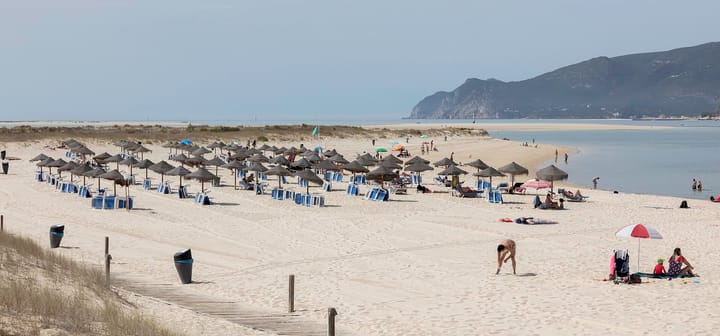
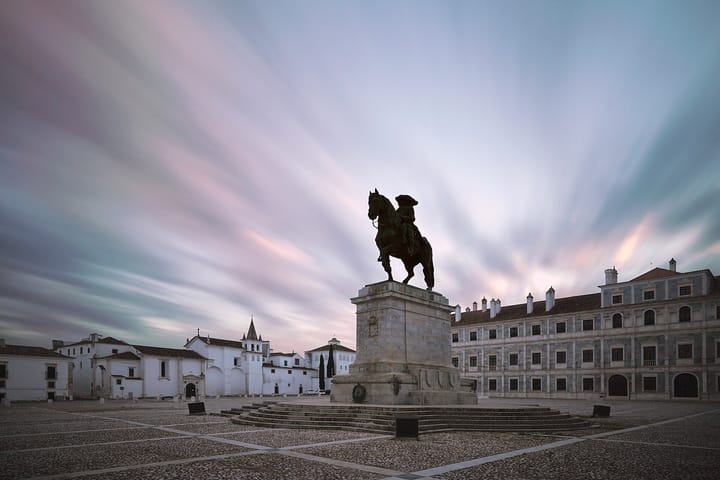
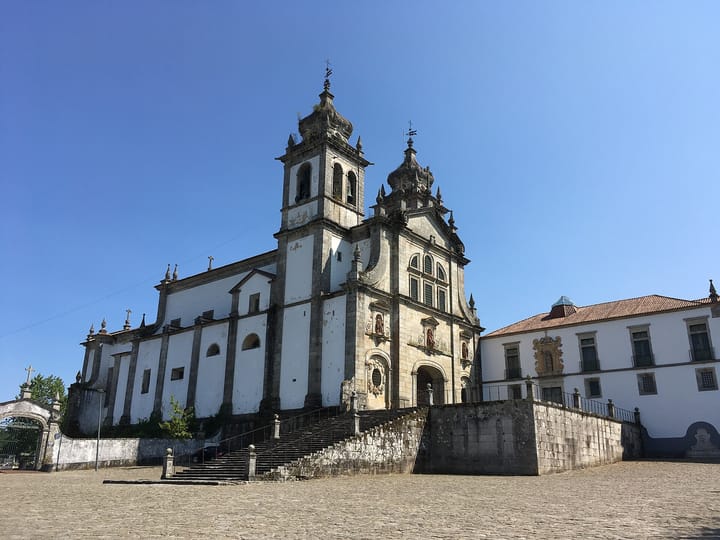
Spring's Hottest Destination: Why the World Is Choosing Portugal in 2026
A new study spanning ten international markets has placed Portugal among the most attractive tourist destinations for spring 2026, with travellers from the United Kingdom, Brazil, Canada, Germany, Ireland, the United States, the Netherlands, Italy,...
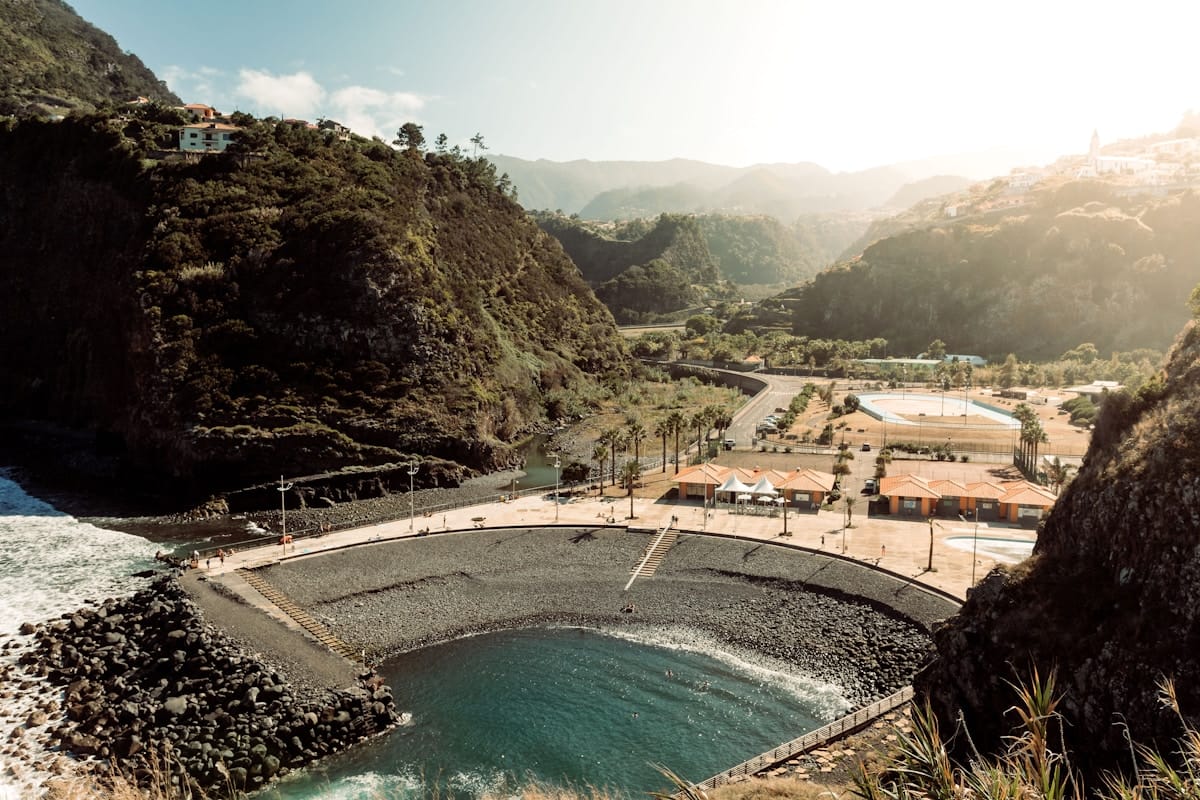
A new study spanning ten international markets has placed Portugal among the most attractive tourist destinations for spring 2026, with travellers from the United Kingdom, Brazil, Canada, Germany, Ireland, the United States, the Netherlands, Italy, and Spain all ranking the country as a top choice. Separately, Travel + Leisure has named Madeira the world's top trending destination for 2026, citing its natural beauty and year-round whale watching.
For a country that has spent the past decade building its tourism brand, the recognition is both a vindication and a warning. Portugal's popularity is no longer a trend. It is a structural reality, and managing it will be among the defining challenges of the next several years.
What Is Driving Demand
The appeal is multi-layered. Lisbon's ranking as the eighth safest city globally for 2026 reinforces security as a primary draw. The country's combination of climate, gastronomy, history, and coastal beauty continues to distinguish it from competitors. VisitPortugal has invested in tailored campaigns promoting year-round travel, pushing visitors beyond the Algarve and Lisbon into inland regions, Porto, and the islands.
The tourism profile is also shifting. Wellness retreats in the Sintra mountains, food tours through Coimbra's hidden neighbourhoods, and digital nomad infrastructure in Madeira reflect a market that has moved well beyond sun-and-beach. Sustainable stays, with hotels pursuing zero-carbon certifications, are becoming a standard preference rather than a niche offering.
Madeira's Moment
Madeira's selection as the world's top trending destination deserves particular attention. The archipelago offers year-round whale and dolphin watching, thanks to the warm Macaronesian currents that attract both migratory and resident cetacean populations. The waters surrounding Funchal are described as among the most biodiverse in the Atlantic, with sightings possible throughout every month of the year.
Beyond marine life, Madeira has positioned itself as a leader in remote work infrastructure. The digital nomad village programme, launched in the pandemic era, has matured into permanent coworking and coliving facilities that attract professionals from across Europe and the Americas. Neighbouring Porto Santo adds golden beaches to the offering, while the island's wine heritage and cultural calendar, from February Carnival to the Atlantic Festival, provide depth beyond the natural landscape.
The Capacity Question
The accolades arrive alongside real pressure on infrastructure and local communities. Tourism revenue is critical to Portugal's economy, but the sheer volume of visitors strains housing availability, transport networks, and public services in popular areas. Residents in Lisbon's historic centre and in Algarve towns have voiced frustration at the displacement effect of short-term rental platforms and rising costs.
The government has responded with regulatory measures on Airbnb-style rentals and investments in public transport, but the tension between tourism growth and livability is far from resolved. The challenge is particularly acute for foreign residents who came to Portugal for the quality of life that tourism now threatens to erode in the most popular areas.
Portugal's success as a destination is not in question. The question is whether it can absorb the world's enthusiasm without losing the qualities that generated it. As spring approaches and booking numbers climb, that balancing act grows more urgent by the season.