Socialists Centre Their Parliamentary Sessions on the Cost of Living, Drawing In Mario Centeno
The PS has built three days of parliamentary sessions around the rising cost of living, touring 13 Lisbon-area municipalities from Sintra to Amadora and inviting former finance minister Mario Centeno. The push follows a National Commission vote on nearly 20 sectoral motions.
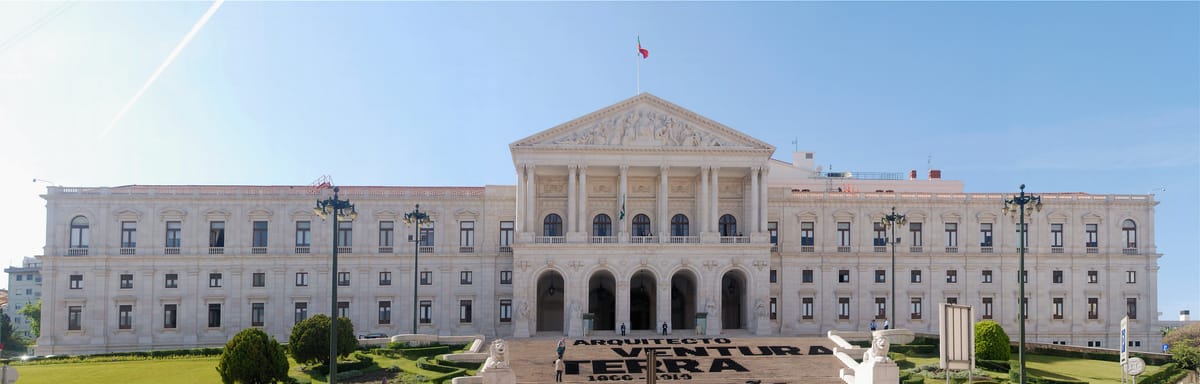
Portugal's largest opposition party is staking its summer political agenda on the issue voters feel most directly: the cost of living. The Partido Socialista (Socialist Party, or PS) gathered its Comissão Nacional (National Commission, the party's main between-congress decision-making body) on Sunday and then opened three days of jornadas parlamentares — the working sessions a parliamentary group holds away from the chamber to set its priorities — built entirely around the rising cost of everyday life.
The theme is deliberately plain: the increase in the cost of living and its impacts on families. Rather than convene in a hotel conference room, the Socialists are touring the Área Metropolitana de Lisboa (Lisbon Metropolitan Area), with sessions threaded through 13 of its 18 municipalities, beginning in Sintra and ending in Amadora. The choice of venue is itself a message: the commuter belt around the capital is where housing costs, transport fares and grocery bills bite hardest, and where the party hopes to rebuild support.
The party's secretary-general, José Luís Carneiro, and the leader of its parliamentary group, Eurico Brilhante Dias, launched the programme in Sintra, timing the opening to coincide with the town's festas de São Pedro (Saint Peter's festivities). The itinerary mixes set-piece debate with field visits — among them a stop at works to build housing for police officers in Loures — designed to tie the abstract language of inflation to concrete local grievances over rents, wages and public services.
To give the sessions analytical weight, the PS has invited Mário Centeno as a guest speaker. The former finance minister — who steered the budget surplus of the late 2010s before serving as governor of the Banco de Portugal (Bank of Portugal) — remains one of the most recognisable economic voices on the centre-left, and his presence signals an attempt to contest the government on its own ground of fiscal credibility rather than on slogans alone.
The parliamentary sessions follow a National Commission meeting at which the party put to a vote close to 20 sectoral motions approved for debate at its most recent congress, 19 of them subscribed by at least a tenth of elected delegates. Those texts span the policy areas — housing, health, the economy, social cohesion — that the leadership wants to weld into a coherent opposition platform after a bruising spell in which the PS lost office and has been searching for a clear line of attack.
That line is now sharpening around purchasing power. House prices have risen sharply since the current government took office, wages remain well below the European average, and the headline measures of the day-to-day budget — rent, transport, food — are precisely where the Socialists believe the executive is most exposed. By organising its whole pre-recess push under that banner, the PS is betting that the cost of living, not the culture-war fights that dominate much parliamentary debate, is the terrain on which the next stretch of politics will be fought.
For residents, the immediate output will be rhetoric and motions rather than law — the opposition cannot legislate alone. But the sessions set the agenda the party intends to carry into the autumn, when the budget and a fresh legislative session will test whether the cost-of-living theme can be turned from a campaign message into concrete proposals on housing, wages and prices.