Sines Bets Big on AI: How a Former Industrial Port Became Europe's Next Data Centre Capital
The fishing town of Sines, population 14,000, sits on the Alentejo coast about 150 kilometres south of Lisbon. It is known for its deep-water port, its oil refinery, and for being the birthplace of Vasco da Gama. By the end of this decade, it may be...
The fishing town of Sines, population 14,000, sits on the Alentejo coast about 150 kilometres south of Lisbon. It is known for its deep-water port, its oil refinery, and for being the birthplace of Vasco da Gama. By the end of this decade, it may be known for something else entirely: hosting the largest data centre campus in Europe.
The Sines Data Campus, an investment that could reach ten billion euros by 2031, represents Portugal's most significant bet on the artificial intelligence economy. Microsoft will be one of the primary users of the infrastructure. The second building is now under way with funding of two billion euros in the final stages of structuring. When complete, the facility aims for a capacity of 1.2 gigawatts, a scale that would place it among the largest data centres anywhere in the world.
Why Sines, and Why Now
The logic is both geographic and energetic. In the age of AI, data centres have become critical infrastructure, and every query to a large language model demands substantial computational power, which in turn demands electricity. Countries that cannot offer renewable, stable, and competitively priced energy will be left out of the digital race.
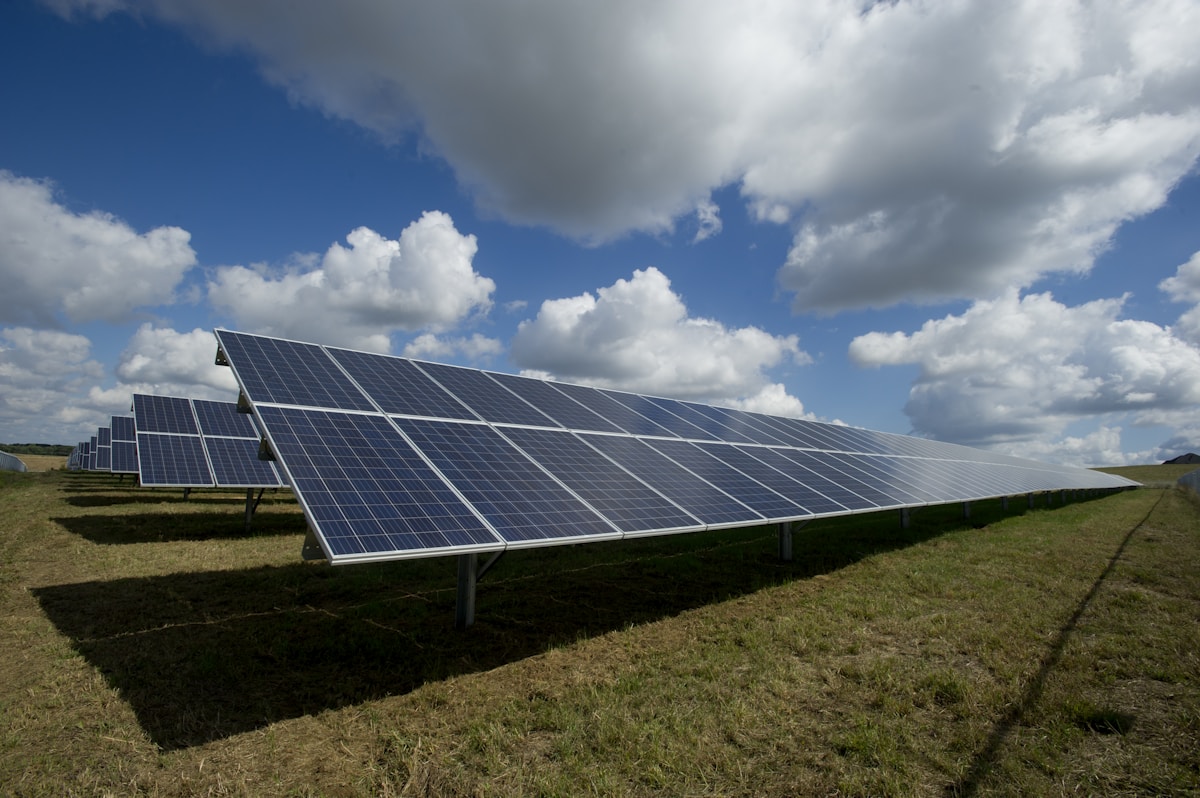
Portugal has one of the most renewable energy matrices in Europe, and the partnership between Start Campus and EDP demonstrates that green energy and digital infrastructure are no longer separate projects. They are developed in tandem. Sines sits at the arrival point of submarine cables connecting Europe to South America and, soon, to the United States. Renewable energy, submarine connectivity, and computing capacity form what analysts call a rare strategic triangle.
The AI Gigafactory
Adding to Sines' momentum, the EU-backed AI Gigafactory initiative has confirmed the town as its Portuguese location. The facility is expected to house more than 100,000 next-generation GPUs with approximately 150 megawatts of computing capacity, offering advanced AI services to businesses, universities, and research institutions. Each EU member state will contribute six million euros, with the European Commission co-financing the project.
Goncalo Matias, a government advisor on the initiative, framed the investment in sovereignty terms: "Portugal is investing in technological sovereignty and the capacity to attract talent." The statement reflects a broader European anxiety about dependence on American and Chinese AI infrastructure.
Growing Pains
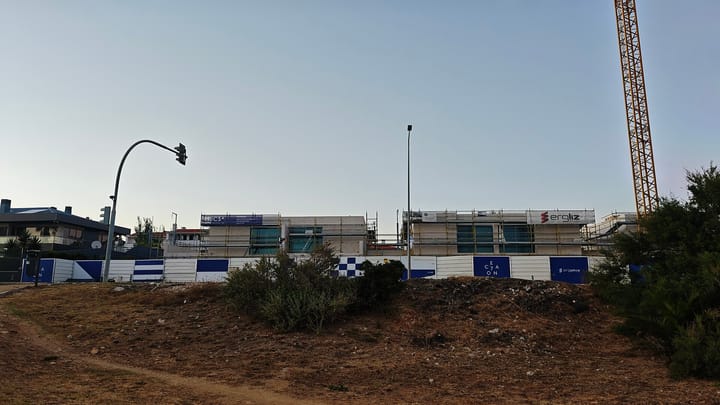
The transformation has not been without friction. Sines faces a housing shortage as workers arrive for construction and operations. Public services are under pressure. Infrastructure that served a quiet port town must now accommodate the demands of a tech hub in rapid formation. The risk, as several commentators have noted, is not a lack of investment but the speed of change outpacing the capacity to manage it.
For the tech professionals and digital nomads who have made Portugal their base in recent years, Sines represents a potential shift in the country's economic centre of gravity. Lisbon and Porto have dominated the startup and tech scene, but the emergence of a world-class computing hub on the Alentejo coast could create new opportunities, and new communities, in a region that has long struggled with depopulation.
The question Portugal now faces is whether it can align renewables, digital infrastructure, and territorial planning quickly enough to capitalise on the moment. If it can, Sines may become one of the most strategic technology hubs in Atlantic Europe. The new industrial revolution, it turns out, does not start in factories. It starts in data centres. And data centres start with energy.