Scientists Recover 2,000-Year-Old Human DNA From the Painted Walls of the Alentejo's Escoural Cave
A study in Nature Communications reports the first recovery of ancient human DNA from prehistoric cave-art walls — and three of the five positive samples came from the Gruta do Escoural in Montemor-o-Novo, Portugal's only cave with Palaeolithic art. The DNA is at least 2,000 years old.
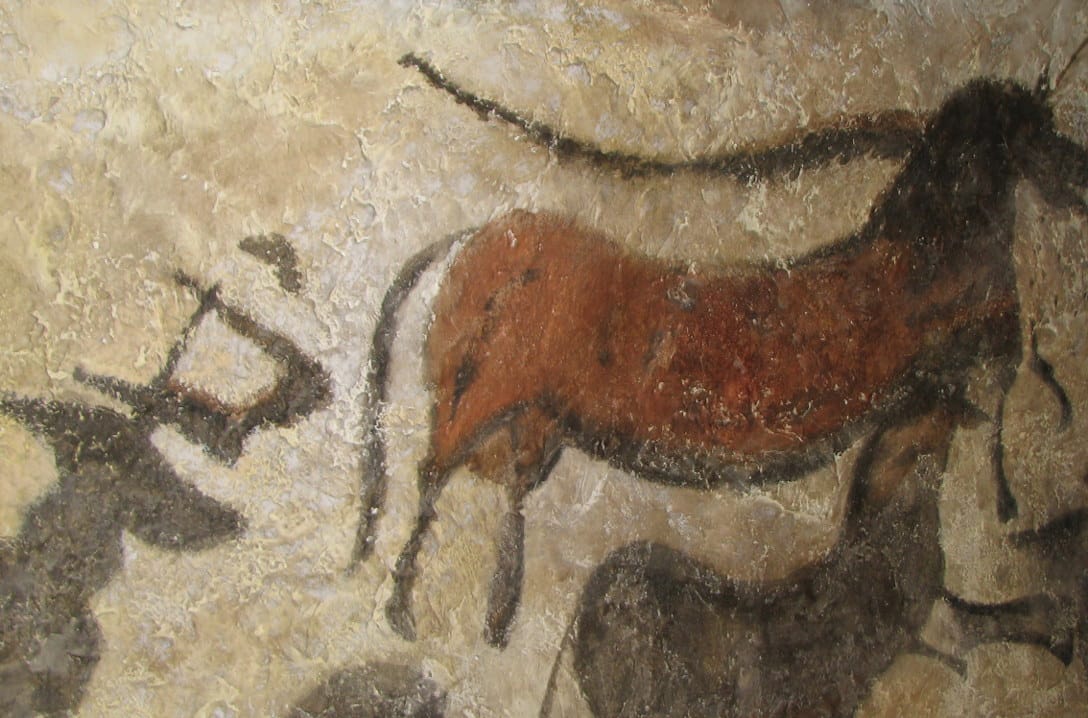
A cave in the Alentejo has just helped rewrite what scientists thought was possible in archaeology. An international study published in the journal Nature Communications reports the first recovery of ancient human DNA directly from the walls of prehistoric cave art — and some of the most important samples came from the Gruta do Escoural (Escoural Cave) in Montemor-o-Novo, the only known site in Portugal with Palaeolithic art in a genuine cave setting.
The research pulled together scientists from Portugal, Spain, Italy, Germany, the United Kingdom and China, who analysed 54 samples taken from 24 decorated rock panels across 11 caves on the Iberian Peninsula. Of those, only five yielded authentic ancient human DNA — and three of the five came from Escoural. The genetic traces are at least 2,000 years old, and the team says the discovery opens an entirely new way to study who was physically present in these sacred spaces, and when.
The accidental breakthrough
The most striking finding was one the researchers did not expect. They anticipated recovering DNA from a pigmented calcite crust — the mineral film that forms over painted surfaces. But they also detected human genetic material in unpigmented stretches of wall at Escoural and at Covarón, in Asturias in northern Spain — areas that had been sampled as "negative controls," the parts of the experiment meant to show nothing at all. Finding DNA there suggests the walls themselves can hold biological traces of the people who touched, breathed on and lived alongside the art far more widely than anyone assumed.
Why Escoural matters
Discovered in 1963 during quarrying, the Gruta do Escoural is a rare treasure: a limestone cave holding engravings and paintings of horses, aurochs and other animals attributed to the Upper Palaeolithic, tens of thousands of years old, layered with later Neolithic burials. Access is tightly controlled precisely because the environment is so fragile. That a Portuguese site sits at the centre of a global methodological first is a notable moment for the country's research community and for the heritage authorities who have guarded the cave for decades.
The technique matters beyond one cave. If genetic material survives on ordinary rock surfaces, archaeologists could eventually map the sex, ancestry and movements of prehistoric communities without disturbing skeletons or artefacts at all — a gentler, less destructive science. It is the latest sign of Portugal's growing footprint in international research, alongside work such as the Porto teams pursuing personalised cancer vaccines and the country's expanding space and science economy. It also adds to the case for treating sites like Escoural as living heritage worth the cultural investment the state is now channelling into museums and monuments.
What this means for residents and expats
- World-class heritage on the doorstep: The Escoural cave near Évora is open to visitors by appointment through the regional heritage authorities — a remarkable, little-known day trip for anyone in the Alentejo.
- Handle with care: Access limits and small group sizes exist to protect the paintings; the new science underscores why even breathing near the walls leaves a mark.
- Portugal punches above its weight: A modest research budget keeps producing outsized results, a point worth remembering in debates about science funding.
- A gentler archaeology: Future digs may rely less on excavation and more on trace DNA, preserving sites for the generations who come after.
For now, a quiet cave in the Alentejo has earned a line in the textbooks — proof that some of the oldest walls in Portugal still have new stories to tell.