Porto's i3S Maps a Path to Personalised Vaccines Against Colorectal Cancer
Researchers at Porto's i3S institute have validated a strategy for personalised therapeutic vaccines against colorectal cancer, identifying tumour neoantigens that could train a patient's immune system to attack the disease.
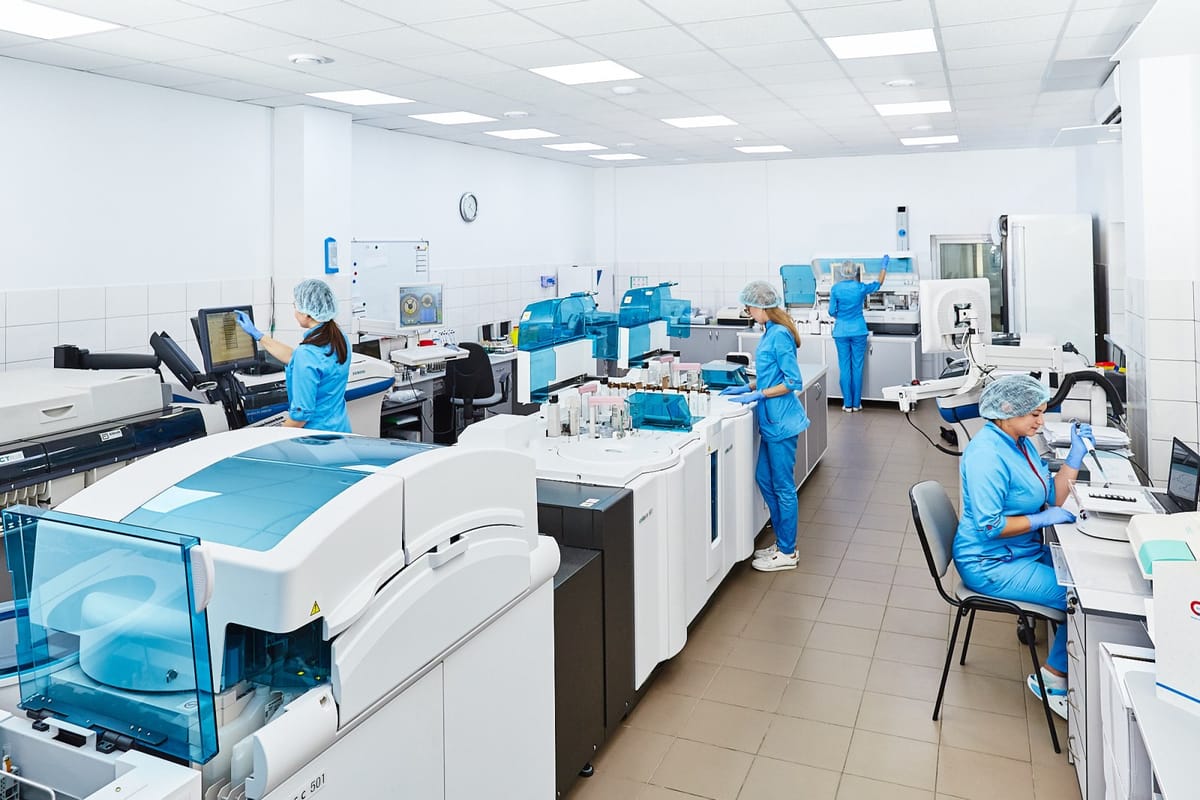
Researchers in Porto have validated a strategy for building personalised therapeutic vaccines against colorectal cancer, a step that could help point the immune system directly at one of Portugal's most common and deadliest tumours.
The work was carried out at the i3S (Instituto de Investigação e Inovação em Saúde — Institute for Research and Innovation in Health) at the University of Porto, one of the country's leading biomedical research centres, and reported this week.
What the researchers found
The team set out to identify the specific molecular flags that could make a colorectal tumour visible to a patient's own defences. They pinpointed neoantigens — mutated proteins produced only by cancer cells — capable of triggering a genuine immune response, and mapped persistent immunological vulnerabilities that remain exploitable even in advanced tumours.
The significance is that these targets are unique to each tumour. Rather than a single off-the-shelf jab, the approach envisages vaccines designed from the individual genetic fingerprint of a patient's cancer — training the immune system to recognise and attack cells carrying those neoantigens.
Overcoming the tumour's defences
The central challenge, the researchers note, is not that the immune system cannot fight cancer, but that tumours actively suppress it. Colorectal cancers cultivate an immunosuppressive environment that switches off the very cells that would otherwise destroy them.
By identifying vulnerabilities that survive that suppression, the Porto team argues, a tailored vaccine could help "the immune system do what it already knows how to do" — attack cells bearing the tell-tale neoantigens. The result is described as fundamental knowledge that lays groundwork for future therapeutic vaccines, rather than a treatment ready for the clinic today.
Why colorectal cancer
Colorectal cancer is among the most frequently diagnosed cancers in Portugal and a leading cause of cancer death. Standard treatment still relies on surgery, chemotherapy and radiotherapy, and while immunotherapy has transformed outcomes in some cancers, many colorectal tumours have proved stubbornly resistant to it.
A personalised-vaccine route offers a potential answer to that resistance, aiming to succeed where broad immunotherapies have struggled. It also fits a wider shift in oncology towards precision medicine — treatments calibrated to the biology of an individual patient rather than a one-size-fits-all protocol.
What this means for residents
- Patients: The findings are early-stage science, not an available treatment — but they strengthen the case for personalised immunotherapy in a cancer that affects thousands in Portugal each year.
- Portuguese research: The result underlines i3S's standing as an internationally recognised centre and the role of domestic labs in frontier cancer science.
- The road ahead: Turning validated targets into a working vaccine will require years of further development and clinical trials before any patient benefit.
For now, the achievement is a proof of principle — evidence that a colorectal tumour's own mutations can be turned against it, and a foundation on which the next phase of research can build. On the immunisation side of the file, Portugal's measles count for 2026 and the single chain that formed sets out the nine cases the Direção-Geral da Saúde notified through SINAVE between 1 January and 18 August, how they split between imported and domestic origin, and why the directorate is watching Brazil.