Santa Maria Emerges as Potential European Gateway for NASA Artemis Missions
The Azorean island of Santa Maria could become Europe's primary launch and landing site for space missions, according to NASA's representative in Europe, Gregory Mann—but Portugal faces a critical choice about how much to invest in a crowded and...
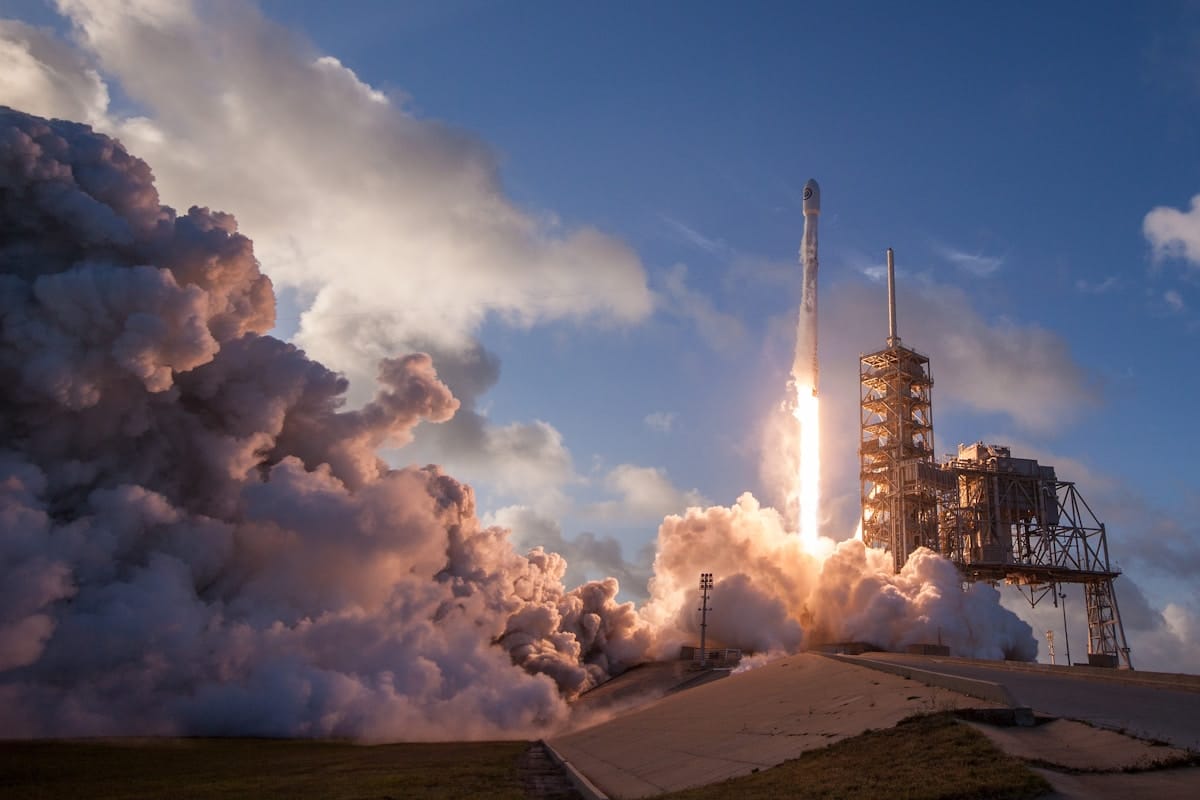
The Azorean island of Santa Maria could become Europe's primary launch and landing site for space missions, according to NASA's representative in Europe, Gregory Mann—but Portugal faces a critical choice about how much to invest in a crowded and competitive field.
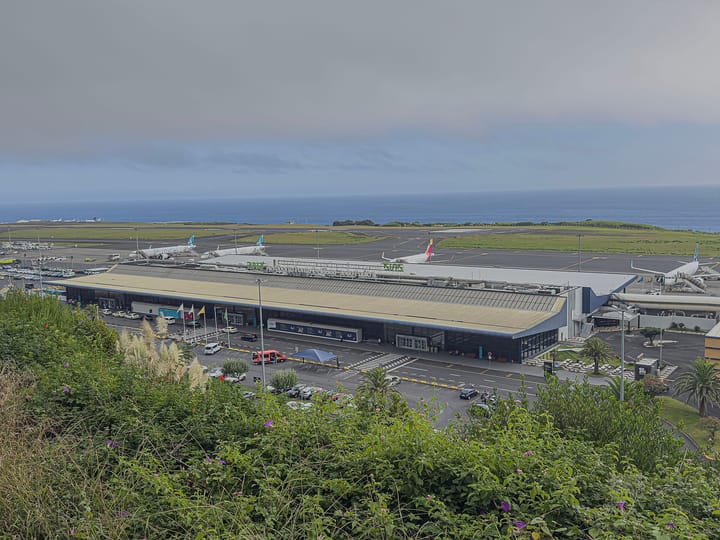
Speaking to Portuguese media ECO during a visit to Lisbon, Mann described Santa Maria's geographic position as offering "many advantages for Europe" and said it could become "one of the main, if not the main, departure and arrival points on the continent."
The timing is significant. Portugal recently became the 60th nation to sign the Artemis Accords with NASA, gaining access to a series of new opportunities as the U.S. space agency ramps up lunar missions. Over the next three to four years, NASA plans more than 30 Moon missions—26 of them surface landings—with dedicated slots reserved for Artemis signatories.
What Portugal Gets from Artemis
Mann outlined three key benefits for Portugal as an Artemis partner:
- Dedicated payload opportunities on lunar missions, including ride-sharing options exclusive to signatory nations
- Access to a shared lunar mission database covering all scientific research and data from Moon missions
- Potential lunar sample access, similar to the Apollo program 60 years ago, for research institutions in member countries
Portugal's involvement comes largely through its contributions to the European Space Agency (ESA), which is partnering with NASA on the Argonaut lunar lander, various payloads, and other lunar infrastructure. Portuguese funding supports several of these initiatives.
The Gateway Pivot and What It Means
NASA's recent announcement that it is pausing the lunar orbital station Gateway—a project involving ESA—has raised questions about European partnerships. Mann clarified that the pause is a "reorientation," not a cancellation, with focus shifting to getting humans back on the Moon by 2028 and building a permanent lunar base.
The agreement gave Europe three astronaut slots on Gateway missions. How those will translate into lunar surface opportunities is still being negotiated. Some modules originally designed for Gateway will be repurposed—one U.S. module will become the first nuclear-powered propulsion system for an orbital vehicle heading to Mars in late 2028.
The Santa Maria Question
For Portugal, the Santa Maria opportunity is both promising and risky. The island's location offers clear logistical advantages for launch and reentry operations. But Mann issued a pointed warning:
"There are other operators, other competitors, and it could happen that Portugal invests a considerable part of its funds in this and does not become such a relevant player due to European geopolitics or other considerations. I would be careful about how much I dedicated to it."
His advice: Portugal should focus available funds on "niche areas that are not saturated, where the opportunities are," rather than competing head-on with established spaceport infrastructure elsewhere in Europe.
Why Expats Should Care
Portugal's space ambitions tie into broader economic development, particularly in the Azores—a region that has historically struggled with economic isolation and emigration. A successful spaceport at Santa Maria would bring high-skilled jobs, infrastructure investment, and international visibility.
For foreign residents and investors, the calculus is straightforward: Portugal is positioning itself as a technology hub, not just a tourism destination. Space is one of several strategic bets (alongside renewable energy and digital infrastructure) aimed at diversifying the economy and attracting talent.
But as Mann's comments make clear, the competition is fierce. Portugal's challenge isn't whether it can participate in Europe's space economy—it's whether it can do so efficiently enough to justify the investment, or whether those funds would deliver better returns in other emerging sectors.
The next few years will show whether Santa Maria becomes a launchpad or a missed opportunity.