Sabugal Rejects Two Planned Renewable-Energy Acceleration Zones Over Fire and Land Fears
The Guarda-district municipality of Sabugal has issued an unfavourable opinion on two large renewable-energy acceleration zones (PSZAER) proposed on its land, citing overlap with maximum fire-hazard and forest areas and a planned business zone. It joins a wave of interior councils demanding local be
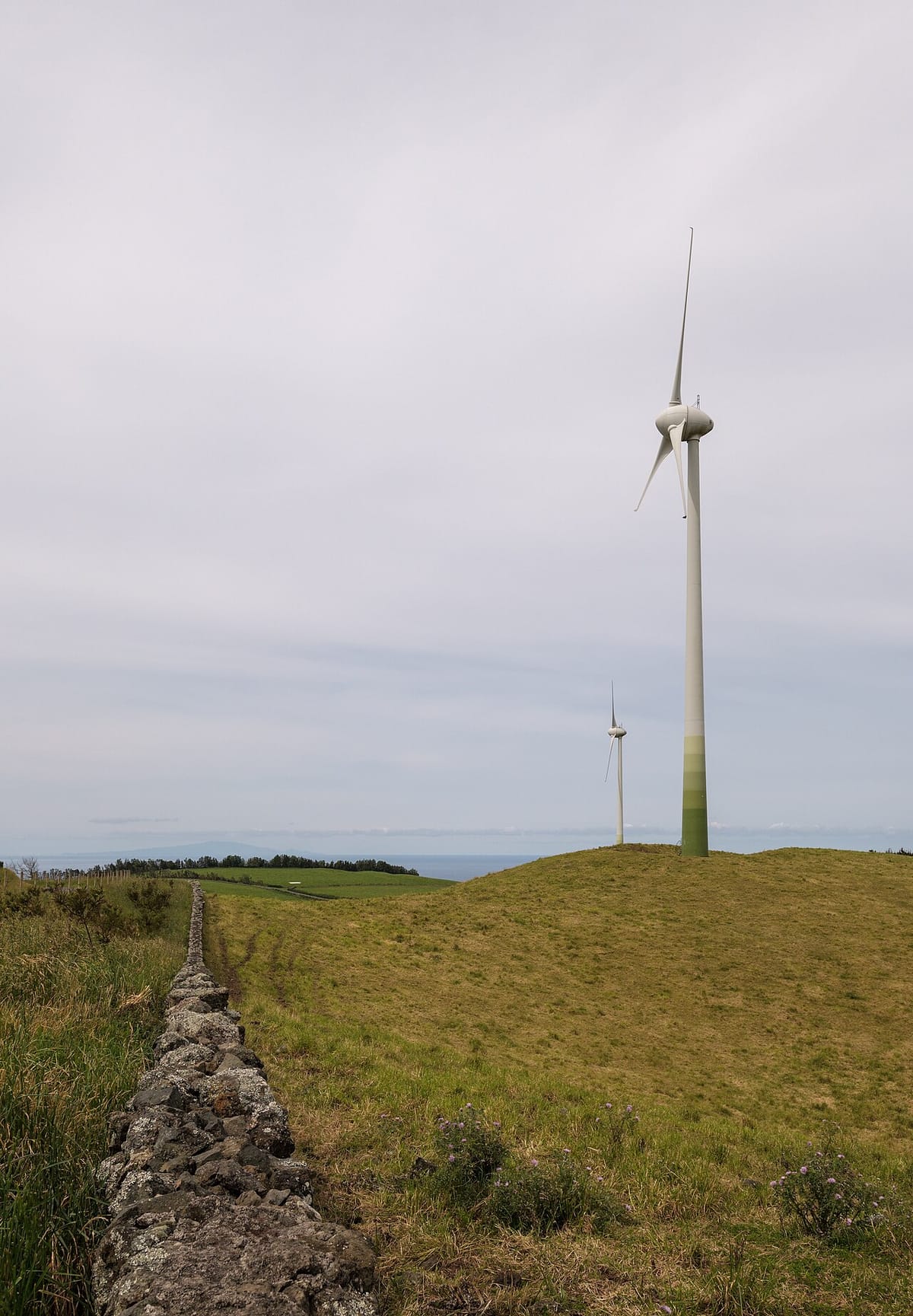
A rural council in Portugal's interior has come out against the national plan to fast-track wind and solar farms, adding a fresh voice to the growing friction between the country's clean-energy ambitions and the communities asked to host them. The municipality of Sabugal, in the Guarda district near the Spanish border, has issued a formal unfavourable opinion (parecer desfavorável) on two large renewable-energy acceleration zones earmarked within its territory.
The zones are part of the Sectoral Programme for Renewable Energy Acceleration Zones (Programa Setorial das Zonas de Aceleração de Energias Renováveis, or PSZAER), a national scheme that designates areas where wind and solar projects can be licensed on a faster track. The framework flows from European Union rules meant to speed the roll-out of renewables by concentrating development in pre-approved zones judged to carry lower environmental risk. Sabugal submitted its objection during the public consultation, which closed this week.
The council, led by mayor Vítor Proença, does not reject renewables outright but argues the programme has been drawn up from the top down, with too little regard for local planning. It wants any roll-out to be “balanced, integrated and coordinated” with existing municipal land-use instruments, and complains that it is unclear how a town hall's decisions are supposed to fit within a centrally run licensing system.
Its specific worries are grounded in the landscape. The two proposed zones, earmarked chiefly for wind power, overlap with areas classified as maximum fire hazard, with forest land, and with sites already used for energy and mineral extraction — a combination the council says would bring “profound impacts.” One zone, it notes, would also collide with a planned business-location area, pitting the promise of green-energy investment against the municipality's own hopes of attracting industry and jobs to a thinly populated territory.
Running through the objection is a familiar grievance from Portugal's low-density interior: that remote municipalities are asked to shoulder the visual and environmental cost of national infrastructure without a clear share of the benefit. Sabugal wants guarantees of “fair compensation” and genuine local participation, warning against a model that, as critics elsewhere have put it, privatises the profits of renewable megaprojects while socialising their burdens on rural land, heritage and housing.
Sabugal is not alone. Neighbouring councils in the Beira Baixa and Beira Alta have voiced similar reservations in recent weeks, and citizens' movements have sprung up to contest the acceleration-zone maps across the interior. The pattern echoes a wider European tension: the same communities often support the energy transition in principle while resisting the specific turbines and panels proposed on their doorsteps.
The councils' opinions are advisory rather than binding, and the government retains the final say over which zones make it into the approved programme. But a steady accumulation of unfavourable parecer from the very territories expected to host the projects raises the political cost of pressing ahead, and signals that Portugal's drive to expand renewable capacity will have to be negotiated municipality by municipality.