Portugal's New Construction Code Takes Effect on 1 June — One Law to Replace Over 100 Scattered Regulations Dating Back to the 1960s
The Biggest Overhaul of Building Regulation in Decades Aims to Cut Red Tape, Speed Up Permits, and Tackle the Housing Crisis On 1 June 2026, Portugal's new Construction Code enters into force — a single, consolidated legal framework that replaces...
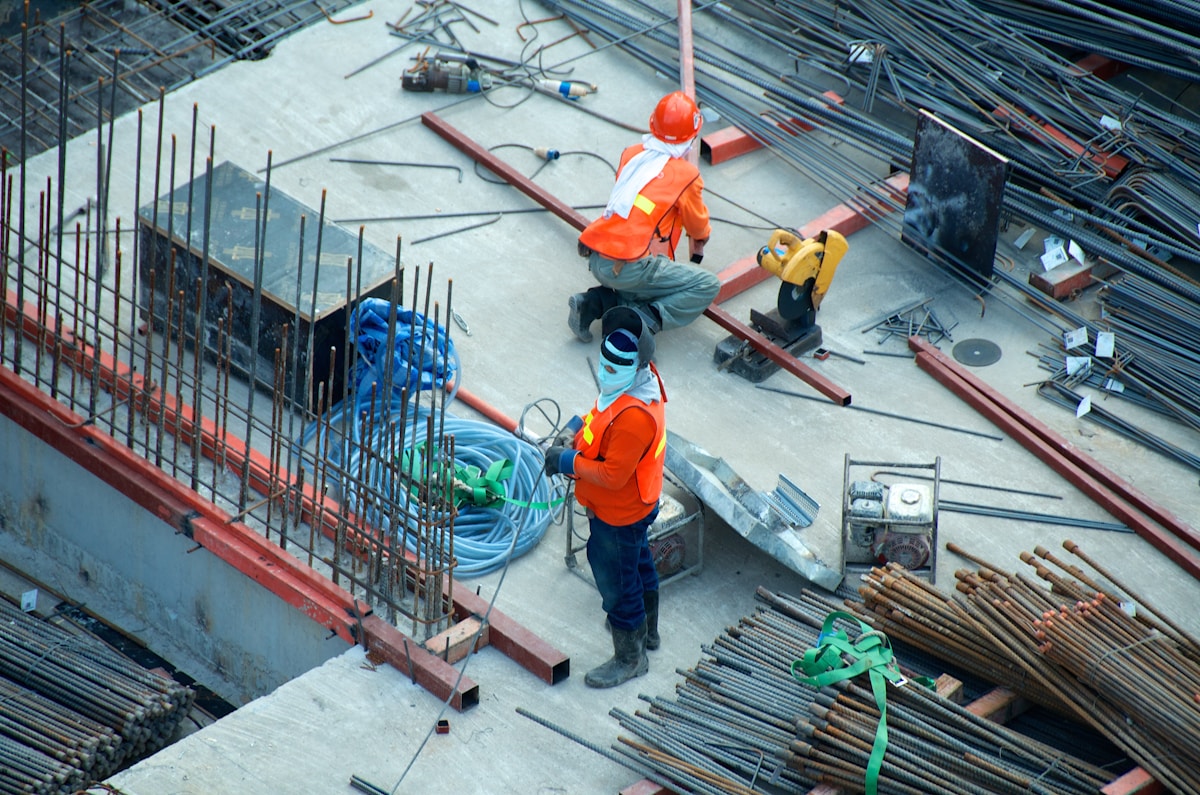
The Biggest Overhaul of Building Regulation in Decades Aims to Cut Red Tape, Speed Up Permits, and Tackle the Housing Crisis
On 1 June 2026, Portugal's new Construction Code enters into force — a single, consolidated legal framework that replaces more than 100 separate laws, decrees, and regulations governing the building sector, some dating back more than 60 years. The government says the new code will make construction "more transparent, faster, and more secure." The industry hopes it will finally start to close the gap between housing demand and the country's sluggish rate of new builds.
Why It Matters
Portugal's construction regulatory landscape has long been a maze. The existing General Regulation on Urban Buildings — the sector's foundational text — was written before many of the materials, techniques, and digital tools used on modern construction sites existed. Over the decades, successive governments layered additional rules on top without consolidating or rationalising the framework, creating a sprawl of approximately 100 legal instruments that builders, architects, and municipal licensing officers all had to navigate. The paperwork behind the building has its own guide: the ficha técnica da habitação, the building datasheet your notary stopped asking for.
The result was delays, inconsistency, and cost. Licensing timelines varied wildly from municipality to municipality. Small developers and individual homeowners were often forced to hire specialist consultants simply to understand which rules applied to their project. The bureaucratic burden was regularly cited by industry bodies as one of the key reasons Portugal was not building enough homes to meet demand.
What Changes
The new Construction Code consolidates those scattered regulations into a single document. Key changes include:
Mandatory digital platform: From January 2026, all licensing requests must be submitted through the Electronic Platform for Urban Planning Procedures (PEPU), which standardises the process across all 308 municipalities. The platform provides real-time application tracking and electronic notifications, ending the era of paper submissions and opaque municipal timelines.
Automatic approval deadlines: If a municipality fails to respond to a building permit application within the legally defined period, the permit is automatically approved. The deadlines are tiered by project size: 120 days for projects under 300 square metres, 150 days for projects between 300 and 2,200 square metres, and 200 days for larger developments.
Scrapped outdated requirements: The code removes prescriptive rules inherited from a previous era — such as rigid specifications for kitchen and bathroom layouts — that added cost without improving safety or quality. The focus shifts to performance-based standards that define the outcome a building must achieve rather than dictating exactly how to build it.
Alignment with modern technology: The code reflects current construction techniques, energy-efficiency standards, and digital design tools, including provisions for Building Information Modelling (BIM) in public projects.
Industry Reaction
Construction sector bodies have broadly welcomed the reform, though some caution that implementation will be the real test. Municipal licensing offices, many of which are already under-resourced, will need to adapt to the new digital platform and the automatic-approval mechanism. There are concerns that smaller municipalities may struggle with the transition, potentially creating a two-speed system in which well-staffed urban councils process permits quickly while rural areas lag behind.
Architects and engineers have praised the shift toward performance-based standards, which they say gives designers more creative and technical freedom while maintaining safety requirements.
Housing Crisis Context
The reform arrives at a critical moment for Portugal's housing market. Home prices have risen sharply over the past five years, driven by strong demand from both domestic buyers and international investors, while new construction has failed to keep pace. The government's broader housing strategy — which includes the Simplex Urbanismo reforms introduced in 2024 and the ongoing liberalisation of land reclassification rules — depends on getting more homes built, faster and at lower cost. The new Construction Code is the regulatory backbone of that ambition.
Whether it delivers will depend on whether the code's promise of speed and simplicity survives contact with the reality of Portugal's 308 municipal planning offices.
👉 Related: Insurance in Portugal: Health, Home, Car, and Life Cover Explained for Residents and Newcomers If you are moving with animals, see our 2026 guide to bringing pets to Portugal. On the listed-construction tape, our preview of Mota-Engil's Q1 2026 earnings (Wednesday 13 May, market close) sets the latest reference. On where the line falls between a licence, a prior communication and nothing, which building works need no council permission at all sets out articles 6 and 6.º-A of the Regime Juridico da Urbanizacao e Edificacao: the 10 square metre outbuilding, the 1.8 metre boundary wall, the solar panel limits, the heritage rule that cancels the whole list, and the legalisation route when something is already built.