Portugal's Hotel Construction Boom: 70 New Properties and 7,520 Beds by 2028
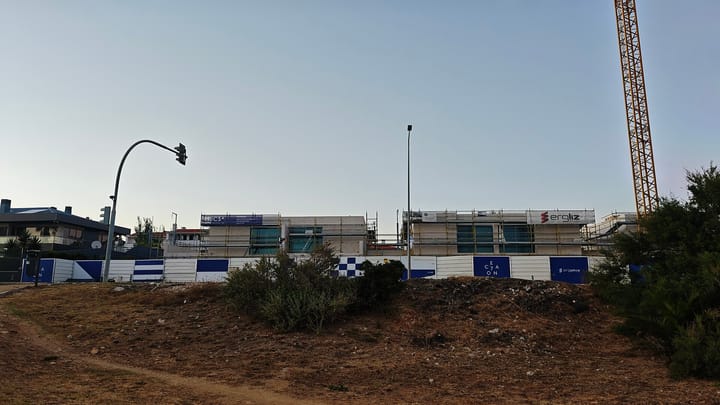
Seventy new hotels are currently under construction across Portugal, adding 7,520 beds to the country's accommodation stock, according to data from real estate consultancy JLL. Sixty percent of the developments fall in the high-end and luxury...

Seventy new hotels are currently under construction across Portugal, adding 7,520 beds to the country's accommodation stock, according to data from real estate consultancy JLL. Sixty percent of the developments fall in the high-end and luxury category, and half are concentrated in the Lisbon Metropolitan Area, reflecting sustained international investor confidence in Portugal's tourism sector despite broader economic headwinds.
The Numbers Behind the Boom
The pipeline comes on the heels of a strong 2025, when 83 new hotels were inaugurated across the country, translating to 4,080 new beds. Although 2025 was technically the year with the fewest hotel openings in recent memory, luxury establishments accounted for roughly a third of new constructions. Overnight stays in five-star hotels grew 5% year-on-year, and total investment in the hotel sector reached 480 million euros.
With 70 projects now in progress and most expected to complete by 2028, the industry is betting that Portugal's appeal as a tourism destination will continue to strengthen. The concentration on high-end properties reflects a strategic pivot: rather than competing on volume, Portugal is increasingly positioning itself as a premium destination.
Lisbon Leads, but Regions Gain Ground
The Lisbon Metropolitan Area commands half of the new hotel construction, which is unsurprising given the capital's role as the country's primary gateway for international visitors. However, the data reveals meaningful geographic diversification.
Portugal's tourism sector recorded 32.5 million guests in 2025, a record that represents 3% growth over the previous year. Total overnight stays reached 82.1 million, up 2%. Significantly, the domestic market grew fastest, increasing by 5%, even though international visitors still account for 69% of all overnight stays.
Regions previously considered secondary destinations have seen notable growth. The Alentejo, the North, and the Setubal Peninsula are all attracting more visitors, supporting a more geographically balanced tourism economy. The Algarve, meanwhile, has made progress reducing its traditional seasonality, with year-round occupancy rates improving steadily.
What Is Driving Investment
Several factors are fuelling the hotel construction pipeline. Portugal's strong tourism fundamentals, favourable climate, and improving transport connectivity make it attractive to international hotel groups. The country's relative safety, cultural richness, and cost competitiveness compared to Western European peers add further appeal.
The government's tourism strategy has emphasised quality over quantity, encouraging investment in upmarket properties that generate higher spending per visitor. This aligns with JLL's finding that 60% of new hotels target the high-end and luxury segment.
For property investors and those involved in real estate, the hotel boom also reflects broader trends in Portugal's property market. Hotel construction creates jobs in construction, hospitality, and supporting services, with ripple effects across local economies.
What This Means for Residents and Expats
For residents in areas with significant hotel development, the construction brings both opportunity and disruption. Jobs in hospitality are among the most accessible for newcomers to Portugal, including immigrants and expats seeking local employment. However, concerns persist about the impact of tourism-heavy development on housing availability and rental prices, particularly in Lisbon.
The geographic spread of new developments is encouraging for those living outside the capital. More hotels in the North, Alentejo, and Setubal Peninsula mean more local employment and economic activity in areas that have historically received less investment.
Travellers visiting friends and family in Portugal will find an expanding range of accommodation options, particularly at the higher end of the market, where competition should help moderate pricing over time. On the listed-construction tape, our preview of Mota-Engil's Q1 2026 earnings (Wednesday 13 May, market close) sets the latest reference.