Portugal's Diesel Jumps 13.5 Cents a Litre From Monday as Gulf Tensions Reach the Pumps
From Monday, 20 July, the average price of diesel is set to climb 13.5 cents to about €1.988 a litre and petrol 6.5 cents to around €1.980, pushed up by renewed Middle East tension. The government's ISP fuel-tax mechanism should claw back part of the diesel rise, but ministers have rejected cutting
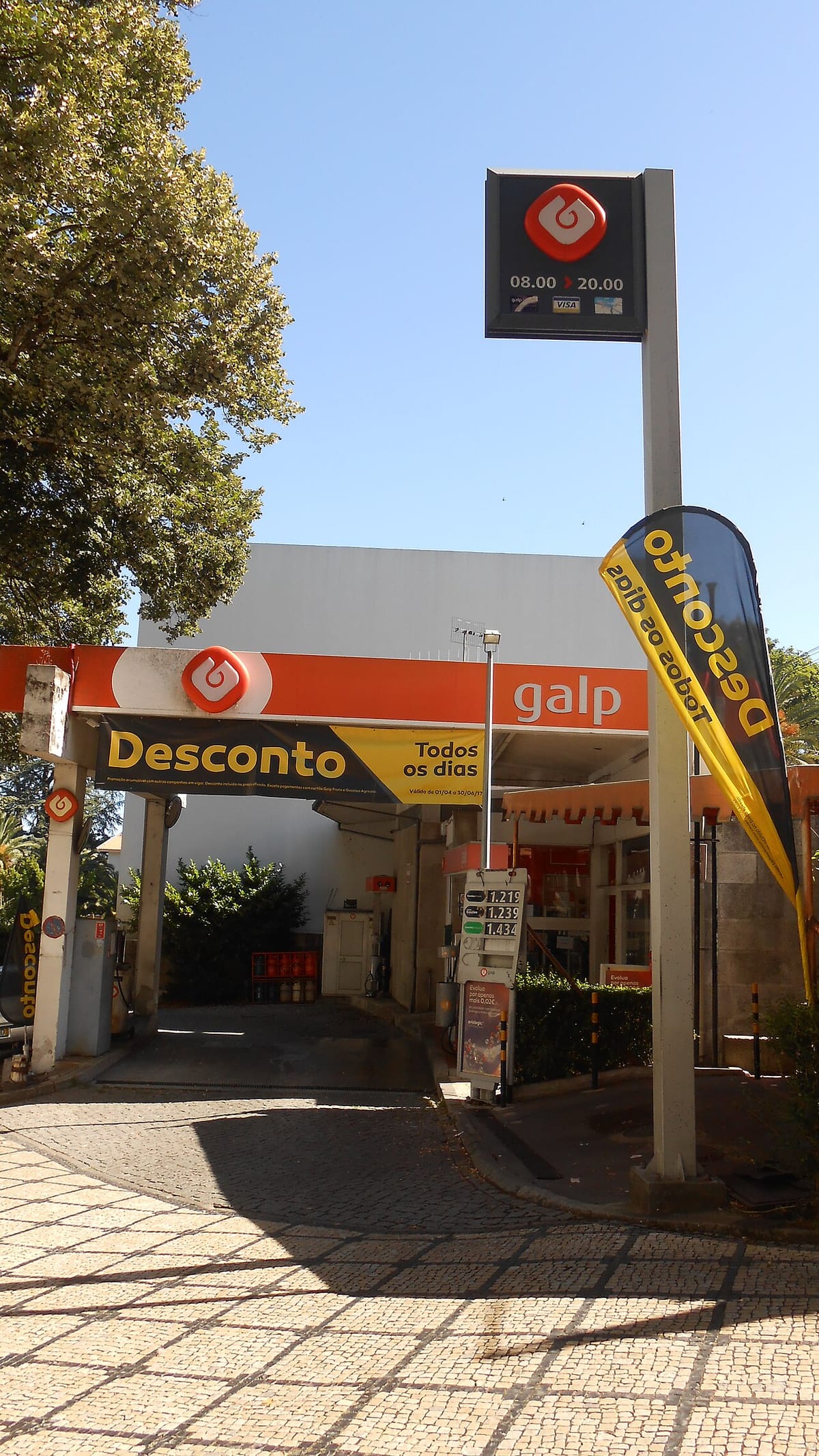
Drivers filling up in Portugal face a sharp jump at the pump next week, with diesel rising far more steeply than petrol. From Monday, 20 July, the average price of a litre of diesel is expected to climb by 13.5 cents to around €1.988, while petrol edges up 6.5 cents to about €1.980, according to sector projections reported this week. The increase would leave both fuels within a whisker of the €2 mark and hand the average tank of diesel a double-digit cost rise in a single week.
The trigger lies well beyond Portugal's borders. Renewed fighting in the Middle East involving the United States, Israel and Iran has pushed international crude and refined-product prices higher, unsettling a market already jittery over the Strait of Hormuz — the narrow shipping lane through which roughly a fifth of the world's seaborne oil and natural gas passes. Because Portugal imports virtually all of its fuel, movements in Rotterdam wholesale prices feed through to the country's pumps within days.
The government has a partial cushion in place. Under a mechanism tied to the Tax on Petroleum and Energy Products (Imposto sobre os Produtos Petrolíferos e Energéticos, or ISP), the Finance Ministry has pledged to trim the fuel tax temporarily whenever weekly increases exceed 10 cents a litre, clawing back part of the rise for consumers. That threshold would be comfortably crossed for diesel this week, meaning an ISP adjustment is likely, though the exact size will only be confirmed once the week's tax table is published.
The Finance Minister, Joaquim Miranda Sarmento, has resisted louder calls to go further. During the State of the Nation debate on Wednesday he rejected proposals to cut the Value Added Tax (Imposto sobre o Valor Acrescentado, or IVA) rate on fuel, which is levied at the standard 23% and remains one of the heaviest components of the price at the pump. Cutting it, ministers argue, would blow a lasting hole in the budget for a temporary shock.
Scrutiny is also falling on the pumps themselves. The Environment and Energy Minister, Maria da Graça Carvalho, has asked the energy regulator ERSE (Entidade Reguladora dos Serviços Energéticos) to examine how quickly retailers pass on price changes, questioning why falls in international oil quotations appear to take months to reach motorists while increases arrive almost immediately. ERSE has repeatedly flagged that average pump prices have run above its calculated “efficient” benchmark for weeks at a time.
For households, the timing is unwelcome. The rise lands at the height of the summer holiday season, when many Portuguese families take to the roads for domestic travel, and compounds a cost-of-living squeeze already stretched by rising mortgage costs and stubborn food prices. Hauliers and taxi operators, for whom diesel is a core input, will feel the sharper end of the increase first — and, as in past spikes, some of that cost tends to work its way through to the price of everything that moves by road.