Portugal's Defence Industry Courts American Money After Clearing NATO's 2% Spending Bar
Having hit NATO's 2% of GDP target for the first time in 2025, Portugal is pitching its 380-plus defence firms to American investors. The sector's revenue has grown 20% in a decade, 40% of output is exported, and Lisbon wants rising military budgets to flow into domestic industry.
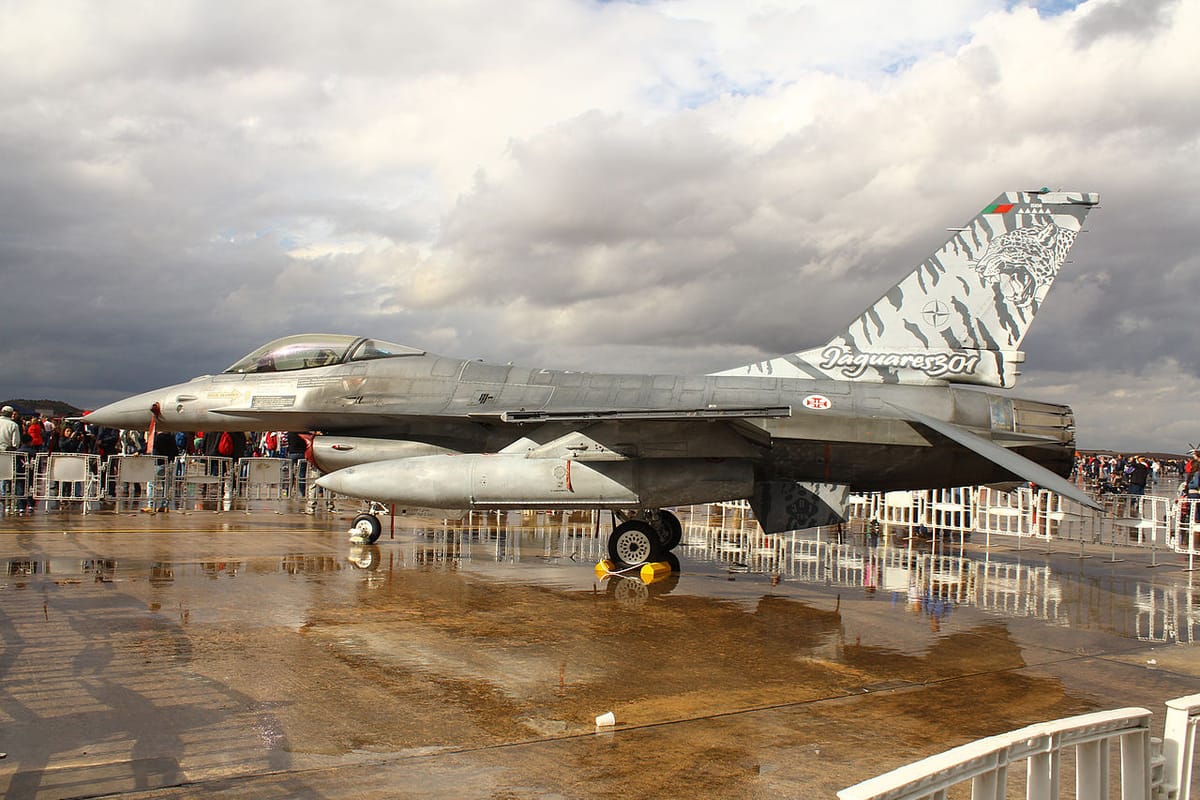
Having spent more than a decade as one of NATO's laggards on military spending, Portugal is now trying to turn a grudging obligation into an industrial opportunity. In 2025 the country hit the alliance's 2% of GDP defence target for the first time — a historic outlay of close to €6 billion — and Lisbon says it arrived at this summer's summit having nudged past the line, at 2.01%. Rather than treat that money as a pure cost, the government and a fast-growing cluster of Portuguese firms are pitching the country as a place worth investing in, with American capital squarely in their sights.
A courtship with Washington
The strategy was on display at a Lisbon forum convened to bring Portuguese and United States players together to debate industrial and technological cooperation in defence. The pitch to American partners is twofold: help Portuguese companies break into the vast North American market, and raise the international profile of a national sector that most people — including many residents — barely know exists. For the US, the appeal is a European base inside NATO with Atlantic-facing geography and a hunger for co-production deals.
A bigger industry than its reputation suggests
That sector has grown quietly but steadily. Portugal now counts more than 380 companies working in defence, and the industry's business volume has risen by roughly 20% over the past decade. Around 40% of what these firms produce is exported, with particular strength in unmanned aerial systems, communications equipment and software that increasingly leans on artificial intelligence. More than 40 Portuguese defence companies recently exhibited at NATO headquarters, where the message from the alliance was blunt: produce more, and produce faster.
The spending squeeze ahead
The backdrop is a rising bar. At last year's summit in The Hague, NATO members committed to lifting defence spending toward 5% of GDP by 2035 — a figure that would have been unthinkable in Lisbon a few years ago and that even now sits uncomfortably alongside Portugal's tight public finances. The Bank of Portugal and independent economists have warned that a rapid ramp-up in military outlays could widen the budget deficit if it is not matched by growth or offsetting savings.
That is precisely why the industrial angle matters to the government. If higher defence budgets can be channelled into domestic firms that export, hire and innovate — rather than simply buying finished kit from abroad — the spending starts to look less like a drain and more like a bet on a high-tech corner of the economy. Portugal remains among the alliance's smaller spenders, and closing the gap to 5% would demand political choices no one has yet spelled out. But the ambition is now clear: if Portugal must spend more on defence, it wants a share of that money to come home.