Portugal Sets Quarterly Record as Renewables Power 78.5 Per Cent of the Grid — Wind Alone Hits 45 Per Cent
Wind, solar, and hydro generated a record 78.5 per cent of Portugal's electricity in Q1 2026, up 12 points year-on-year. Wholesale prices fell 15 per cent as a result.
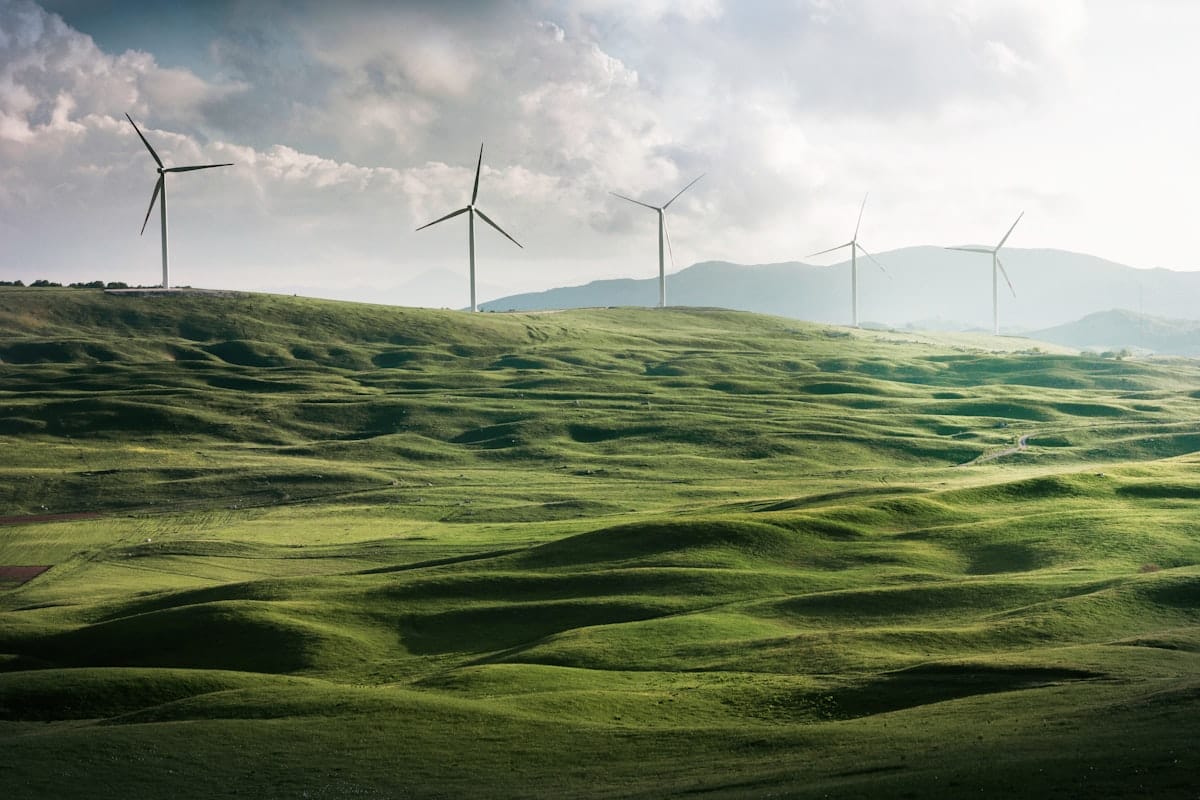
Renewable sources generated 78.5 per cent of Portugal's electricity in the first quarter of 2026, a 12 percentage-point jump from the same period last year and a new quarterly record that cements the country's position as one of Europe's clean-energy frontrunners.
Wind dominates, solar surges
Wind power was the single largest contributor at 45 per cent of total generation, followed by solar at 18 per cent and hydroelectric at 15 per cent. The strong performance reflects both new capacity coming online and a wet winter that kept dam reservoirs near record levels — 51 of Portugal's 59 major dams were above 80 per cent capacity at the end of March.
The renewable surge also pushed wholesale electricity prices down by 15 per cent in the quarter, offering some relief to consumers and businesses battered by energy costs linked to the Hormuz crisis.
EDP leads the charge
National utility EDP increased its total electricity production by four per cent in Q1, with 91 per cent of its 19 TWh output coming from renewable sources. The company has announced a EUR 12 billion investment programme for 2026 to 2028, focused on expanding renewable capacity — mainly in the US market — alongside EUR 3.6 billion earmarked for grid upgrades in Portugal and Spain.
"Portugal is no longer just a regional player in renewables — it is setting a global example," said Ana Maria Ferreira of the Portuguese Institute for Energy Studies.
Grid upgrades are the bottleneck
The government fast-tracked permit approvals for new renewable projects in January and has committed EUR 1.2 billion over three years to grid upgrades. Last week it also approved EUR 180 million for battery storage projects to absorb excess generation during peak renewable hours. But industry experts warn that the grid itself remains the key constraint — without further investment in transmission and storage, Portugal risks curtailing the very generation it is racing to build.
Green hydrogen on the horizon
Portugal's renewable surplus is also positioning the country as a potential leader in the European green hydrogen market, which analysts expect to grow 30 per cent annually. The port of Sines — already emerging as a strategic energy hub amid the Hormuz crisis — is a leading candidate for large-scale hydrogen production and export to northern Europe.
For now, the Q1 numbers tell a clear story: Portugal is generating more clean power than ever, and doing it at a lower cost. The challenge ahead is building the infrastructure to match the ambition.