Portugal Real Estate in 2026: Where the Smart Money Is Going (and Where It Isn't)

Portugal's property market in 2026 is no longer the emerging opportunity it was a decade ago. It has matured into something more interesting: a Eurozone market that combines genuine growth potential with institutional-grade stability. For expats and international investors, the question is no longer whether Portugal is worth considering — it's where within the country the best risk-adjusted returns lie.
The Big Picture
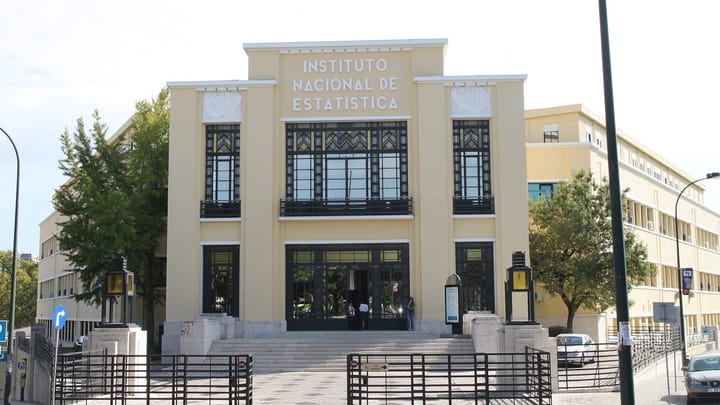
Bank appraisals on housing rose 16.9% year-on-year according to the latest INE data, reaching €1,866 per square metre nationally. Rental yields averaged 6.9% in 2025 — significantly above most Western European markets. A fundamental supply-demand imbalance persists: construction activity has increased but has not kept pace with demand from international buyers, domestic professionals, and institutional investors.
Fitch upgraded Portugal's sovereign rating to 'A' in September 2025, reflecting fiscal discipline (a 0.5% surplus in 2024), falling debt-to-GDP (93.6%), and a stable political environment. For property investors, this translates to lower perceived risk, better financing terms, and a growing pool of institutional capital competing for assets.
Where the Growth Is
Lisbon remains the premium play, with luxury properties expected to appreciate 4.5% in 2026 — outperforming Geneva, Monaco, and Paris. But the city's entry prices mean yields are compressed. Lisbon is for capital appreciation, not cash flow.
Setúbal Peninsula led the country in 2025 with over 22.6% price appreciation, driven by improving transport links and relative value compared to central Lisbon. This is the classic "next neighbourhood over" play, now supported by real infrastructure investment.
Vila Nova de Gaia offers better price-to-rent balance than central Porto while maintaining full accessibility via the expanding Metro network. For buy-to-let investors, Gaia is arguably the strongest value proposition in the north.
Secondary cities — Coimbra (6.7% yields), Braga (5.6%), and Setúbal (5.3%) — offer compelling returns with lower entry points. These markets are less liquid than Lisbon or Porto, which means both opportunity and risk: you can still find genuine value, but exit timing matters more.
What to Watch
The Alojamento Local question: Short-term rental regulation remains a moving target. The 2023 moratorium on new licences in pressure zones was partially extended, and further restrictions could come. If you're buying for short-term rental income, regulatory risk is real — particularly in Lisbon, Porto, and the Algarve.
Climate costs: A New Economics Foundation report this week projects that under current policies, climate change could add 72 percentage points to Portugal's debt-to-GDP ratio by 2050. The immediate relevance for property: wildfire risk in rural areas, water scarcity in the Algarve, and storm damage costs are no longer theoretical. Insurance and location due diligence matter more than ever.
Interest rates: ECB rate cuts have improved borrowing conditions, but Portuguese mortgage rates remain above their 2021 lows. Cash buyers continue to have a significant advantage in competitive situations.
What This Means for Expats
Buying to live: The market favours those who can move quickly and have financing pre-approved. Competition for well-priced properties in desirable areas remains fierce. Don't expect bargains in Lisbon, Cascais, or the Algarve coast — but genuine value exists in cities like Braga, Aveiro, and Coimbra.
Buying to invest: Yields above 5% are achievable in secondary markets, but doing the homework on local dynamics is essential. Portugal's property market is highly localised — what works in Porto may not translate to Faro.
Renting: If you're not ready to buy, the rental market remains tight in major cities. Budget accordingly, and consider locations slightly outside the premium zones where transport improvements are creating new possibilities.
The Portugal Brief covers Portuguese news, economy, and daily life for expats and internationals. Subscribe for our free daily briefing.