Portugal Has 24,517 Soldiers — 7,500 Short of Its Own Legal Target — as Defence Minister Claims Trend Has Reversed
Portugal's Armed Forces currently have 24,517 military personnel on active duty, Defence Minister Nuno Melo confirmed on Monday — a number that remains nearly 7,500 below the legally established target of 32,000 troops but which the minister...

Portugal's Armed Forces currently have 24,517 military personnel on active duty, Defence Minister Nuno Melo confirmed on Monday — a number that remains nearly 7,500 below the legally established target of 32,000 troops but which the minister described as evidence that a years-long decline has finally been reversed.
A Decade of Decline, Then a Modest Recovery
Portugal's military headcount has been falling steadily since at least the middle of the last decade. In 2015, the Armed Forces had 29,479 personnel. By 2023, that figure had dropped to 23,757 — a loss of nearly 6,000 soldiers in eight years, driven by low pay, poor living conditions on bases, and a booming private-sector job market that made military careers less attractive. For broader context, see the new Defender Portugal civic-military programme proposed by PSD and CDS-PP.
The current figure of 24,517 represents a net gain of roughly 760 personnel over the past two years, a recovery that Melo attributed to a package of recruitment and retention measures introduced by the PSD-CDS coalition government since it took office. These include pay rises, improved housing allowances, and targeted recruitment campaigns.
"The tendency is notable but should be approached without euphoria," Melo said, acknowledging that the gap between actual headcount and the legal objective remains large.
The Navy Is Still Shrinking
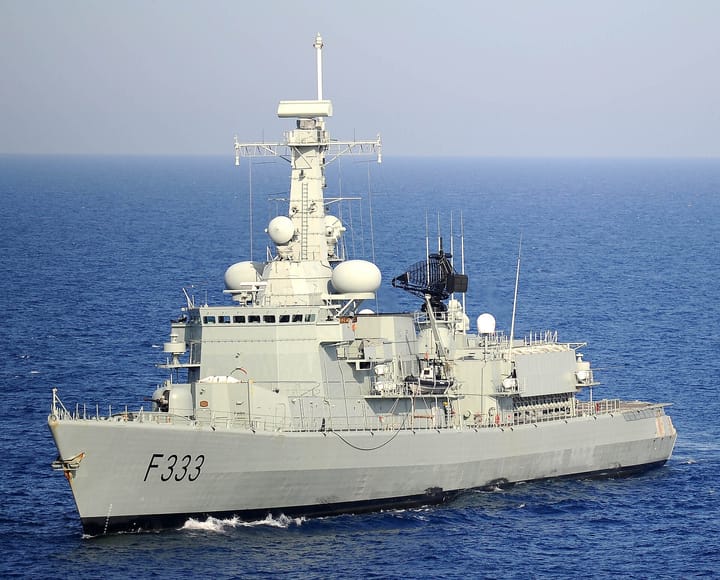
Not all branches are recovering equally. The Portuguese Navy — the smallest of the three services — saw its numbers fall from 6,702 in 2024 to 6,644 in 2025, a decline that Melo attributed to the concentration of naval training facilities at the Lisbon Naval Base. Unlike the Army and Air Force, which have recruitment and training centres spread across the country, the Navy's geographic bottleneck makes it harder to attract recruits from outside the capital region.
The Army and Air Force, by contrast, have both posted modest gains, helped by a wider geographic reach and by the deployment of military units to nine municipalities for forest fire prevention work — operations that have increased the forces' public visibility.
Background: CCP’s incoming presidency shifted to Gustavo Paulo Duarte at its fiftieth-anniversary General Assembly on 29 April.
The NATO Spending Question
Melo also disclosed that Portugal reported EUR 6.118 billion in military expenditure to NATO, a figure he said meets the alliance's two per cent of GDP spending target. The total breaks down into EUR 4.114 billion in direct Defence Ministry spending and EUR 2.004 billion from other government agencies that support defence-related functions, including military pensions.
The inclusion of pensions and non-ministry spending in the NATO figure is a common practice among alliance members but has drawn scrutiny from defence analysts who argue that it inflates the headline number. For a country that has historically struggled to meet NATO targets, the accounting methodology matters: without the EUR 2 billion in non-ministry items, Portugal's defence spending would fall closer to 1.3 per cent of GDP.
What This Means for Expats
Portugal's military staffing levels may seem remote from daily expat life, but they have practical implications. The Armed Forces play a direct role in civil protection — particularly wildfire prevention and response — and their deployment to storm-damaged areas has been critical in recent months. A military that cannot fill its own ranks is a military with less capacity to respond to the kind of natural disasters that have become increasingly frequent.
For expats with ties to NATO countries — particularly Americans, Britons, and Canadians — Portugal's defence posture also affects the broader security environment in which they live. As the Atlantic alliance ramps up spending in response to the war in Ukraine and instability in the Middle East, Portugal's ability to meet its commitments will remain under close scrutiny from its allies.
👉 Related: UTAO Sounds the Alarm: Portugal Owes Up to 21.7 Thousand Million Annually Through 2039
👉 Related: Insurance in Portugal: Health, Home, Car, and Life Cover Explained for Residents and Newcomers. (Background: see our piece on the Tancos paiol appeal ruling.). (Background: see our piece on the Portugal's NATO Air Policing detachment at Ämari Air Base.)
Background: See the Sesimbra-Seixal NATO ammunition depot servitude case at the PGR.