Portugal's Cork Belt Opens the 2026 Tirada Window — €1.3 Billion of Exports Ride on a Nine-Year Cycle as the Coruche-Ponte de Sor Stretch Carries Half the National Tonnage
Portugal's cork-oak belt opens the May-August 2026 tirada window with €1.3 billion of exports on the line, half the national tonnage concentrated in the Coruche-Ponte de Sor stretch. Climate variance, premium-wine-stopper demand and a nine-year regeneration cycle frame the margin math.
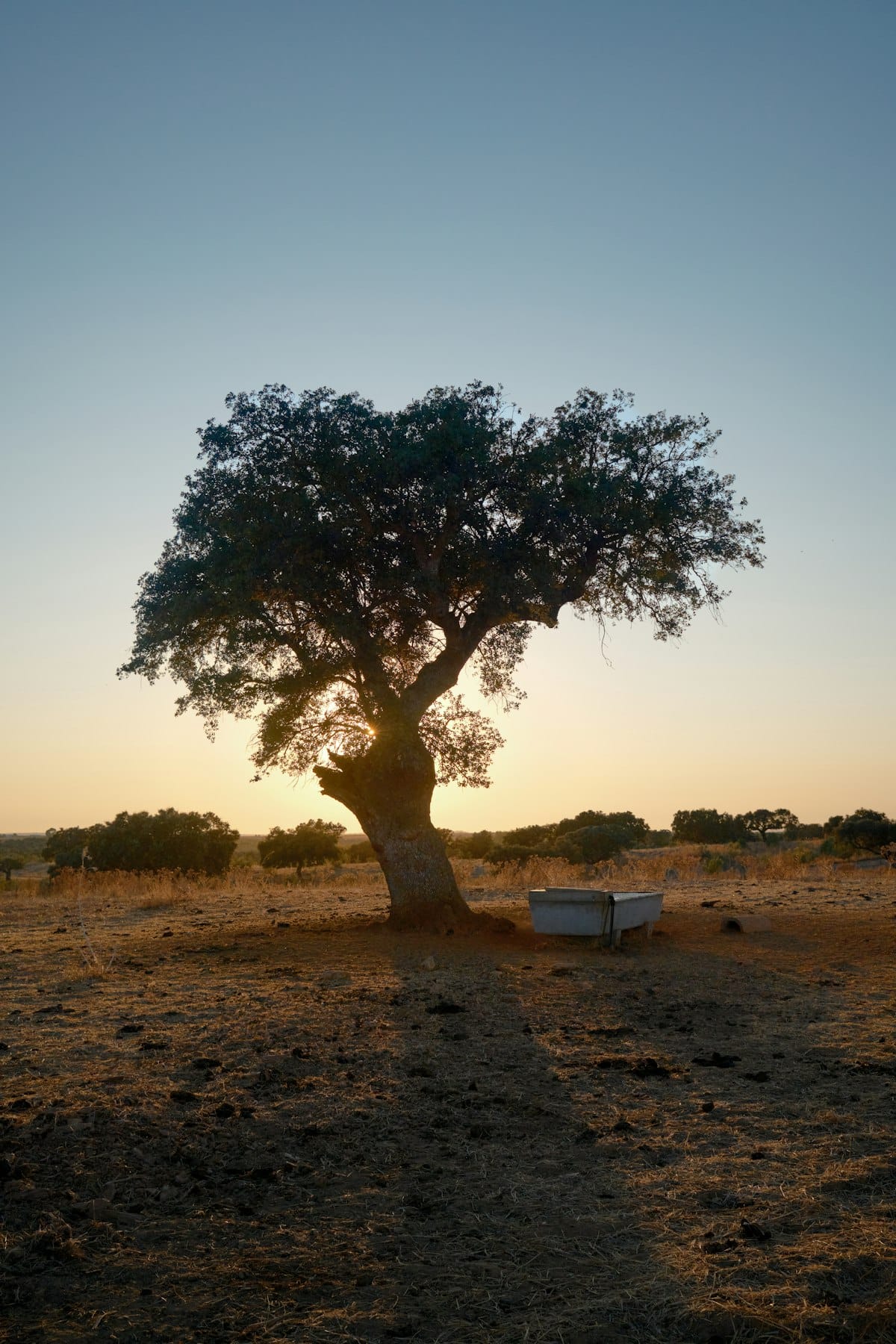
The 2026 cork harvest window — known in Portuguese as the tirada — opened across the Alentejo, Ribatejo and parts of the Algarve last week and runs through the end of August. Portugal produces roughly half of the world's cork, generates €1.3 billion of cork exports per year, and runs a nine-year regeneration cycle on each cork-oak (sobreiro) — three structural constraints that shape every other variable in the value chain.
The Geography
The Coruche-Ponte de Sor stretch in the Ribatejo and central Alentejo accounts for roughly half of national tonnage, with Grândola, Santiago do Cacém and Serra de Monchique carrying most of the balance. Total cork-oak montado coverage runs to roughly 720,000 hectares — protected under national law since 2001, meaning cork-oak felling requires Instituto da Conservação da Natureza e das Florestas (ICNF) authorisation even on private estates.
The Nine-Year Math
Each sobreiro can be harvested only once every nine years. A mature tree (40-200 years old) yields 40-60 kilograms of bark per tirada. The first harvest (desbóia) at year 25 produces lower-grade virgin cork, the secundeira at year 34 is mid-grade, and from year 43 onward every harvest is amadia — the premium grade that converts into wine-bottle stoppers. That cadence locks the supply curve at near-zero short-run elasticity: even a doubling of demand cannot lift output meaningfully inside a decade.
2026 Vintage Conditions
The 2026 tirada arrives after an above-average rainfall winter in the Alentejo — a positive variable for bark moisture and weight. But the late-May heat spell now driving 35°C across the Alentejo and Tejo Valley is tightening the window: operators need bark moisture in the 40-50% range to lift cork cleanly without damaging the cambium. Crews in Coruche and Ponte de Sor are already shifting to pre-dawn starts to compress the daily window. Wildfire risk also frames the season: INE pegs 30.6% of mainland Portugal at high or very-high rural-fire hazard, and the cork belt sits inside the band.
Export Mix and Margin Pressure
APCOR — the Associação Portuguesa da Cortiça — reports wine-bottle stoppers carry about 71% of cork export value, construction-and-insulation about 25%, and design and aerospace the balance. France remains the largest single buyer (~20%), with the US, Germany, Italy, Spain and Chile each carrying meaningful slices. Premium-stopper pricing has held against synthetic alternatives at top-tier Bordeaux, Burgundy and Napa Valley estates.
A skilled tirador commands €100-€140 per day this season, up roughly 25% from 2020 on rural labour-market tightening. Combined with rising fuel and vehicle costs and the compliance overhead that Mesão Frio winemakers flagged this weekend, raw-cork producer margins have narrowed even as final-product export prices have lifted.
What This Means for Expats
- Rural Alentejo employment: the tirada is the highest-paying seasonal labour of the year in cork-belt districts.
- Real-estate effect: protected montado status caps rural-land development, holding land prices well below Algarve coastal benchmarks — worth flagging on rural-property due diligence.
- Wine cork in the home: Portuguese natural-cork stoppers dominate the premium domestic wine segment — the bottles you buy at Garrafeira Nacional or your local Continente are largely cork-sealed.
- Wildfire awareness: if you live or holiday near the cork belt, register with the local Junta de Freguesia for SMS alerts through the May-October risk window.
- Tourism angle: the tirada is increasingly opened to visitor tours through APCOR's 'Rota da Cortiça' — a niche day trip from Lisbon or Évora.
Cork is one of the few Portuguese agricultural exports where the country sits structurally at the top of the global value chain. The 2026 vintage carries no acute crisis — but the long-cycle pressure from wage costs, wildfire risk and climate variance is now a permanent feature of the margin math rather than a passing concern. On the Corticeira Amorim, Scott Laboratories, Scott Premium Closures JV, ACIC Cork & Closures, cork industry and Amorim US-and-Canada wine and spirits closures side of the file, our 15 June read on Corticeira Amorim splitting its US closures arm 50/50 with Scott Laboratories — the Scott Premium Closures joint venture absorbing ACIC Cork & Closures for the North American wine and spirits market, with a €15 million estimated 2026 sales impact and the Amorim Cork US-Canada commercial setup re-anchored under the JV sets the latest reference. On the land itself, the rush of institutional money into Portuguese farmland shows who is buying up the countryside. On the landowner side of the file, our guide to what you may and may not cut down on your own land sets out the cork oak and holm oak authorisation, the olive and holly bans, and the 25-year freeze that follows an illegal felling.