Porto in the Running as EU Prepares to Choose Home for New Customs Authority
The European Union will decide on 25 March which city will host the headquarters of its new European Union Customs Authority (EUCA), and Porto is among nine candidates vying for the prize. The decision, to be taken jointly by the EU Council and the...
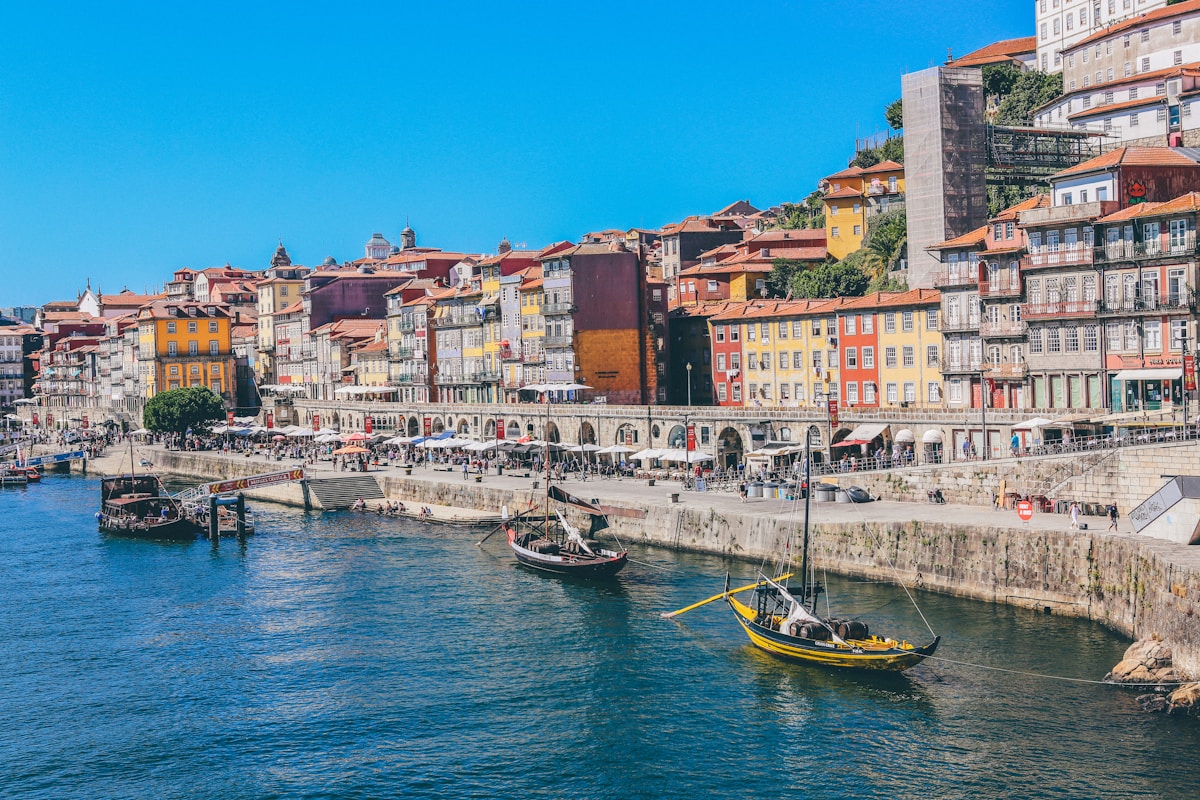
The European Union will decide on 25 March which city will host the headquarters of its new European Union Customs Authority (EUCA), and Porto is among nine candidates vying for the prize. The decision, to be taken jointly by the EU Council and the European Parliament, could bring a significant institutional presence to Portugal's second city.
Porto is competing against Bucharest, Liege, Lille, Malaga, Rome, The Hague, Warsaw, and Zagreb. The selection process requires the Council and Parliament each to shortlist two cities from the nine approved by the European Commission. If both institutions pick the same city, it wins automatically. Otherwise, voting rounds continue until a consensus emerges.
Portugal has put considerable political weight behind its bid. In January, Foreign Affairs Minister Paulo Rangel and Finance Minister Joaquim Miranda Sarmento both appeared before the European Parliament's Internal Market and Consumer Protection committees to argue Porto's case. The city's Atlantic-facing port, its growing reputation as a tech and innovation hub, and Portugal's track record as a committed EU member state all feature in the pitch.
The customs authority will coordinate customs action across the EU and support national customs authorities. It is part of a broader European push to modernise and unify trade border management, particularly relevant as the EU navigates shifting global trade dynamics and implements its carbon border adjustment mechanism.
For Porto, landing the EUCA headquarters would mean more than prestige. EU agencies bring permanent, well-paid international staff, generate demand for housing, schools, and services, and raise a city's profile on the European stage. Lisbon already hosts the European Maritime Safety Agency and the European Monitoring Centre for Drugs and Drug Addiction. A second major EU body in Porto would help distribute institutional weight more evenly across the country.
The competition is fierce. The Hague and Rome bring established diplomatic infrastructure. Lille and Liege offer proximity to Brussels. Malaga has pitched itself as a rising Southern European hub. But Porto's blend of quality of life, competitive costs, and improving connectivity, including recent airport expansion plans, gives it a credible shot.
The decision on 25 March will be closely watched. For a city that has spent the past decade transforming itself from a quieter northern capital into one of Europe's most dynamic urban centres, securing the EUCA would be a powerful validation of that trajectory.