PM Tells Nicosia Press Russia's G20 Inclusion Is 'Not Negative' — Lisbon Backs Trump's Miami Putin Invitation in a Break From the Berlin-Paris Caucus
At the EU summit in Nicosia on 24 April, Luís Montenegro endorsed Donald Trump's plan to invite Vladimir Putin to December's G20 in Miami and called dialogue with Moscow 'necessary'. The position lands days after Russia's embassy in Lisbon publicly named Tekever and Beyond Vision.
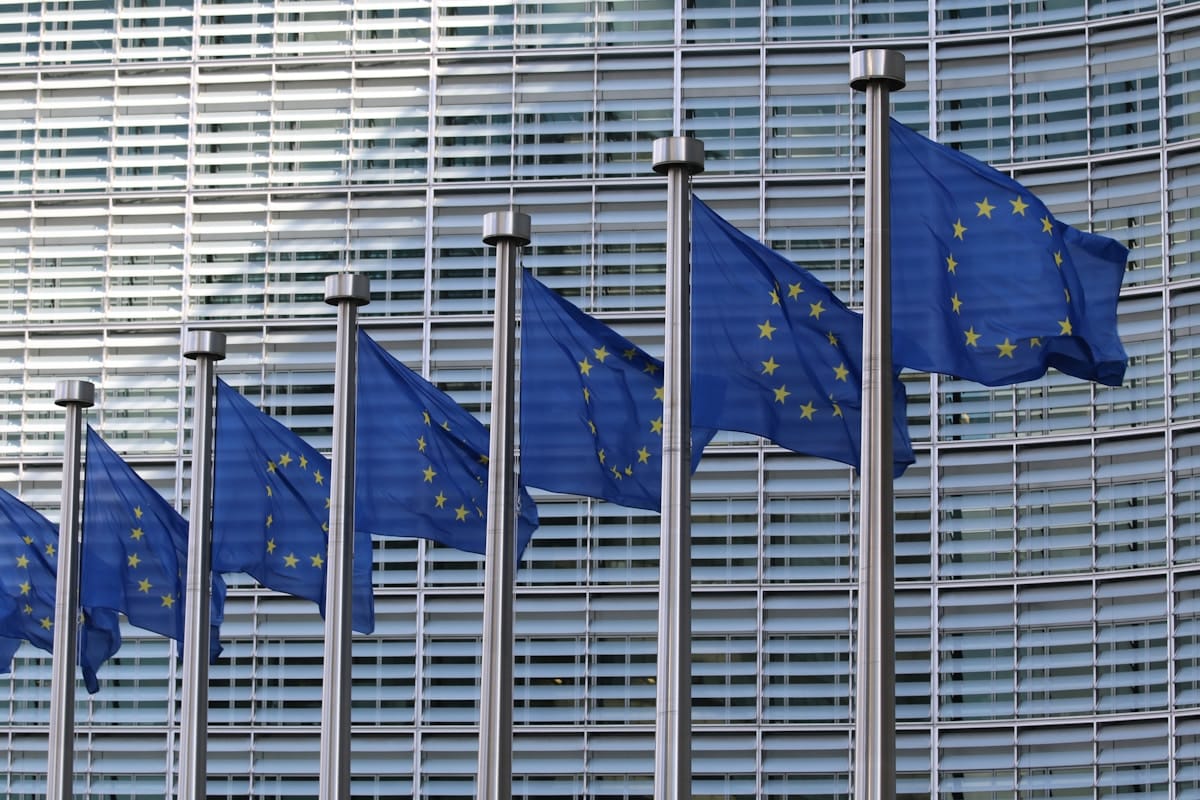
Luís Montenegro spent the weekend of 24 April at an EU summit in Nicosia and used a press scrum to put Lisbon on the soft side of the Russia debate. The Prime Minister told reporters that “it is necessary to establish dialogue with Russia to resolve the conflicts in which Russia is involved” and added, in a sentence that travelled fast through Brussels Sunday papers, that “the inclusion of Russia in the assessment of major geopolitical issues and economic and commercial questions of the world is not negative”.
The trigger was Donald Trump's proposal — floated in Washington earlier in the week — to invite Vladimir Putin to December's G20 summit in Miami. Trump told reporters he was unaware of any official invitation but believed it “would be very helpful” if Putin attended, recycling his line that Russia's removal from the G7 was a mistake the West has paid for ever since.
Why Montenegro's line stands out
Portugal is not a G20 member, so the Prime Minister was speaking strictly as an external observer — a posture he flagged explicitly. But the substance still matters. Berlin, Paris and Warsaw have publicly opposed any normalisation gesture toward Moscow until the Ukraine war ends, and the EU sanctions architecture is up for its routine July review. Montenegro's line moves Lisbon closer to the Trump-Orbán pole on the engagement question without committing the country to anything operational.
It also creates daylight between two parts of the same Portuguese government. On 21 April, Defence Minister Nuno Melo told MPs Lisbon will push defence spending to 5% of GDP by 2029 and add 3,700 personnel to the armed forces, citing the Russian threat as the main driver. On 19 April in Paris, Melo said Moscow's escalation warnings to European drone exporters did not concern Portugal — a denial the Russian embassy in Lisbon publicly rebutted on 20 April by naming Tekever and Beyond Vision and accusing Portugal of bearing “full responsibility for the EU's anti-Russian policy”.
Two messages, one government
So in the space of one week, Lisbon's defence minister has said the Kremlin's threats don't apply here, the Kremlin has answered that they do, and the Prime Minister has told an EU summit that talking to Moscow is “not negative”. The contradiction is more apparent than real: Portuguese drone unicorns will keep flying for Ukraine and the defence budget will keep rising, while the political layer leaves space for whatever post-war settlement Trump tries to broker. But it is a messaging problem the opposition will exploit.
Montenegro paired the Russia comments with warm words for the EU's €90 billion loan package for Ukraine, which he called “a great step”. That was the formal European line at Nicosia. The G20 sentence was not.
What to watch next
Three things. First, whether the Foreign Ministry under Paulo Rangel softens or sharpens the PM's wording in a clarification statement — Rangel's instinct is closer to the Eastern European EU caucus. Second, whether Belém weighs in: President Seguro has so far refused to be drawn on Russia policy, but his constitutional role gives him standing to comment on the country's strategic posture. Third, what Berlin and Paris say privately at the next Foreign Affairs Council in May. Lisbon has earned itself a phone call.
For now, Montenegro has shown he is willing to use Portugal's smallness as cover to say things the bigger capitals cannot. Whether that pays off depends on whether Putin actually shows up in Miami in December. On the foreign-policy and multilateral side of the file, our 4 June read on Portugal winning a non-permanent UN Security Council seat for the 2027-2028 term with 134 first-round votes — Austria joining on 131, Germany pushed off the body for the first time since 1976 on 104, Paulo Rangel anchoring the post-vote framing on cross-party Portuguese diplomacy and the eighth Portuguese term on the Council since 1979-1980 sets the latest reference.