Mondego Flood Inquiry Begins: Five Engineers Appointed to Investigate Dike Failure and Climate Risks
A panel of five specialist engineers has been appointed to investigate the catastrophic flooding along the Mondego River basin earlier this year, with a mandate to determine why a critical dike failed and whether Portugal's flood defences are...
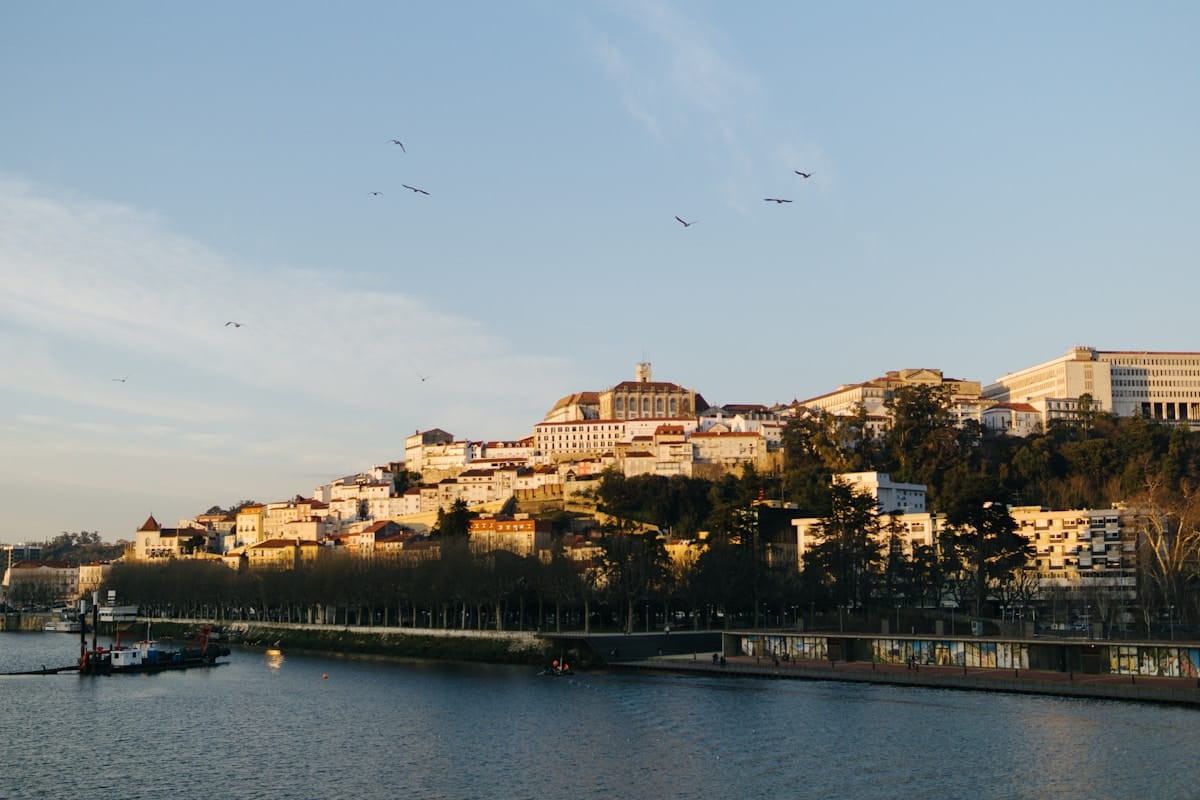
A panel of five specialist engineers has been appointed to investigate the catastrophic flooding along the Mondego River basin earlier this year, with a mandate to determine why a critical dike failed and whether Portugal's flood defences are adequate for the era of climate change.
The expert group, announced on Thursday by the Order of Engineers, will be formally named on Friday at a public session in Coimbra, attended by the president of the Portuguese Environment Agency (APA) and the president of the Order of Engineers.
Who Is on the Panel
The group is coordinated by Armando Baptista da Silva Afonso, a specialist in sanitary engineering and a senior member of the Order of Engineers. The team includes Jose Alfeu Sa Marques, an expert in hydraulics and sanitary engineering, Nuno Eduardo da Cruz Simoes and Carla Andreia Pimentel Rodrigues, both hydraulics specialists, and Paulo Jose da Venda Oliveira, a geotechnical engineer.
Their combined expertise covers the full range of disciplines needed to assess what went wrong during the January and February storms that caused widespread flooding across central Portugal, with the Mondego basin among the worst-affected areas.
What They Will Investigate
The panel's remit is extensive. Under the terms of a protocol signed between APA and the Order of Engineers on 27 February, the team must conduct a comparative analysis of the dike rupture that occurred during the 2026 storms, examining it alongside similar events in 2001 and 2019.
They will also reassess the design of the Baixo Mondego hydraulic infrastructure and evaluate whether it needs to be adapted to meet the demands imposed by climate change. The frequency and intensity of extreme weather events in central Portugal has increased measurably in recent decades, raising questions about whether infrastructure built to mid-twentieth-century specifications can cope.
A third component of their work involves proposing a new governance model for the Baixo Mondego hydraulic system, including a co-management framework involving local municipalities, regional entities and economic stakeholders. The current model has been criticised for chronic underfunding of preventive maintenance.
The Human Cost
The urgency of the inquiry is underscored by the scale of damage caused by this year's storms. Figueira da Foz alone has counted more than six million euros in damage to municipal and business infrastructure, with 340 household applications for reconstruction aid totalling 1.3 million euros. Yet as of this week, only around 10,000 euros had actually been disbursed to affected families, a fraction the local authority described as woefully inadequate.
Across the broader Mondego basin, the flooding displaced families, destroyed agricultural land and disrupted transport links for weeks. For residents of Coimbra and the surrounding towns, the failure of flood defences that were supposed to protect them has shaken confidence in the state's ability to manage natural disaster risks.
Timeline and Next Steps
The panel must deliver a preliminary report by 9 May, with the full report due within 100 days of their appointment. The findings could have far-reaching consequences for how Portugal manages its river basins, allocates infrastructure spending and integrates climate projections into civil engineering standards.
For expats living in central Portugal, particularly in flood-prone areas around Coimbra, Figueira da Foz and the Mondego valley, the inquiry's conclusions will be directly relevant. Understanding flood risk zones, insurance requirements and the state of local infrastructure is an essential part of property due diligence in a country where extreme weather events are becoming more frequent. On the flood-defence, infrastructure and civil-protection side of the file, the University of Coimbra findings on the Mondego dike failure sets the latest reference. On the money behind the physical repairs, the Territorios Resilientes fund the government widened on 31 August sets out Resolução do Conselho de Ministros 176/2026, the rise in the ceiling to 80,088,647 euros, the five inland councils added to Annex I after reporting their damage late, the seventeen categories of river and coastal work it pays for, and the carry-over that lets unspent 2026 money run into 2027.