Mercadona Continues Portugal Push with Two New Interior Stores
Mercadona, the Spanish supermarket chain that has steadily reshaped Portugal's retail landscape since entering the market, has announced two new store openings scheduled for April. The locations -- Viseu and Covilha -- represent a deliberate push...

Mercadona, the Spanish supermarket chain that has steadily reshaped Portugal's retail landscape since entering the market, has announced two new store openings scheduled for April. The locations -- Viseu and Covilha -- represent a deliberate push into Portugal's interior, a part of the country that has traditionally been underserved by large-format retail.
The New Stores
The Viseu store, located on National Road 229, will be the second Mercadona in the district. Set to open on April 9, the supermarket will feature a sales area of approximately 1,900 square metres with the chain's standard layout: wide aisles and dedicated sections for delicatessen, fishmonger, pastry and bakery, perfumery, butcher, fruits and vegetables, and ready-to-eat meals. The store will create 75 new jobs.
The Covilha store, opening on April 16 at Alameda Pero da Covilha 68 in City Center Covilha, marks Mercadona's first entry into the Castelo Branco district. This is notable because the interior of Portugal -- the area loosely defined as everything east of the Lisbon-Porto coastal corridor -- has historically had fewer retail options than the coast, contributing to the economic asymmetry that successive governments have pledged to address.
A Growing Footprint
Mercadona's expansion in Portugal has been one of the more significant retail stories of recent years. The Valencia-based chain, which dominates the Spanish grocery market with over 1,600 stores, began its Portuguese push with a cluster of stores in the Porto and Minho regions before gradually extending southward and inland.
The company recently reported profits of 26 million euros from its Portuguese operations, a figure that, while modest by the standards of its Spanish business, demonstrates that the chain is establishing a viable market position. Mercadona's model of offering a curated range of predominantly own-brand products at competitive prices has resonated with Portuguese consumers, many of whom were already familiar with the chain from cross-border shopping trips.
Impact on Local Retail
The arrival of Mercadona in smaller cities like Covilha and Viseu is a double-edged development. On one hand, it brings competition and lower prices to markets previously dominated by a smaller number of Portuguese chains such as Continente (Sonae), Pingo Doce (Jeronimo Martins), and Intermarche. Consumers in these cities will gain access to Mercadona's fresh food counters and bakeries, which have earned a reputation for quality.
On the other hand, small independent grocers and local markets face increased competitive pressure from a well-capitalised multinational. This tension is not unique to Portugal -- it plays out wherever large retail chains enter smaller markets -- but it carries particular weight in interior communities where traditional commerce remains a cornerstone of social and economic life.
What This Means for Expats and Residents
For the growing number of foreign residents establishing themselves in Portugal's interior -- drawn by lower property prices, rural tranquility, and programmes like the country's various visa schemes -- Mercadona's expansion is welcome practical news. Access to a well-stocked supermarket with consistent quality and pricing can be a deciding factor when choosing where to settle, particularly for those accustomed to the retail standards of Western European cities.
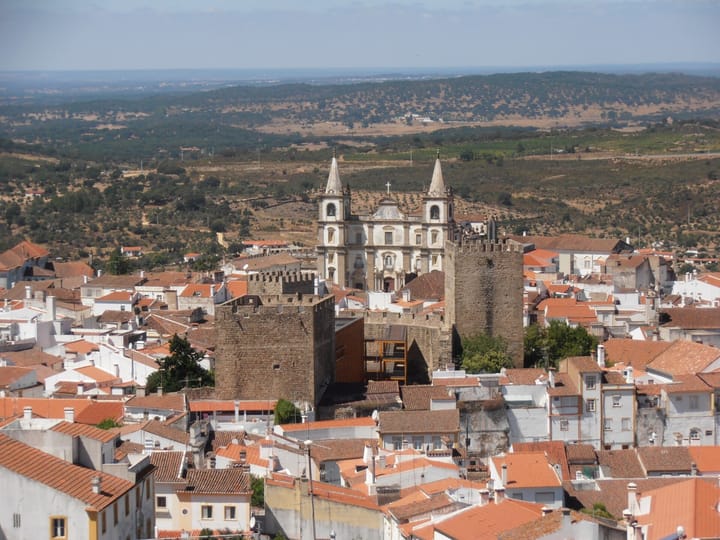
Covilha, situated at the foot of the Serra da Estrela and home to the University of Beira Interior, has attracted an increasing international student and remote worker population. Viseu, a prosperous city in the Dao region, has likewise seen growing interest from expats. For both communities, a new Mercadona is a small but tangible marker of the interior's ongoing development.
Mercadona has not announced further Portuguese openings beyond April, but its pattern of steady, methodical expansion suggests more stores in medium-sized cities are likely in the second half of 2026. On the Sonae international-expansion side, our read on Sonae's Musti acquisition of Petco Retail AS in Norway (Nordic pet-care champion adds its fourth country; ZU's 68 Portuguese stores sit outside the deal perimeter) sets the latest reference. On the consumer-staples / Portuguese retail rail, our 20 May Sonae read — net income +11% in Q1 2026 with Continente turnover crossing €1.7 billion through March on the Easter-calendar lift and a stepped-up promotional cycle, plus the Sierra-Crédito Agrícola vehicle taking 40% of ArrábidaShopping and GaiaShopping in Vila Nova de Gaia sets the latest reference.