Markets, Business & Tech Briefing -- Thursday, 26 March 2026
In today's briefing: • Housing Prices: 17.6 Percent Surge Puts Portugal at Europe's Top • Bank of Portugal Growth Forecast Sits at 1.8 Percent for 2026 • EUR/USD Steady, Dollar Modestly Firmer • Budget Surplus Data Expected From INE • Portugal's National Debt Falls to 89.6 Percent of GDP • 16-Cit...

Housing Prices: 17.6 Percent Surge Puts Portugal at Europe's Top
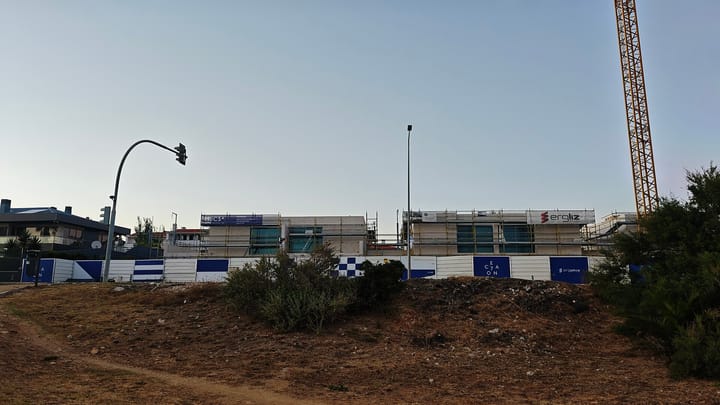
Portugal registered the highest housing price increase in 2025 among major European markets, with the house price index rising 17.6 percent -- more than double the 9.1 percent recorded in 2024. Average prices per square metre have reached approximately 2,150 euros nationally, with Lisbon and Porto significantly above that figure. The data will intensify pressure on the government to deliver on its promised housing reform package.
Bank of Portugal Growth Forecast Sits at 1.8 Percent for 2026
The central bank's downgraded economic growth forecast of 1.8 percent for 2026, issued last week, continues to weigh on market sentiment. The revision cited the Iran conflict's impact on energy prices and Storm Kristin's estimated 2 billion euros in infrastructure damage. The OECD and IMF are expected to issue updated Portugal projections in the coming weeks.
EUR/USD Steady, Dollar Modestly Firmer
The euro is trading steady against a modestly firmer US dollar as markets remain cautious amid geopolitical uncertainty. European equity markets are open today, though several Asian exchanges are closed for holidays. Traders are watching for signals from the ECB on potential rate moves, with inflation projections revised upward compared to December forecasts.
Budget Surplus Data Expected From INE
INE is expected to release final 2025 budget figures this week. The government has consistently outperformed its own fiscal targets, delivering budget surpluses in 2023 and 2024. Prime Minister Montenegro has expressed confidence that 2025 will follow the same pattern, though the 2026 outlook is cloudier given emergency spending commitments.
Portugal's National Debt Falls to 89.6 Percent of GDP
Portugal's national debt stood at 89.6 percent of GDP by December 2025, continuing its downward trajectory from the pandemic peak. The figure puts Portugal below the eurozone average for the first time in over a decade, a milestone that has been overshadowed by more immediate economic concerns but remains significant for the country's borrowing costs.
16-City Housing Protest Fallout: Market Implications
The March 21 housing protests across 16 Portuguese cities are generating policy pressure that could affect the property market. Protesters demanded rent caps, mortgage payment freezes at February 2026 levels, and government regulation. While the government has moved in the opposite direction -- removing rent caps and streamlining evictions -- the political cost of ignoring mass demonstrations may force concessions that cool investor enthusiasm.
Fuel Prices and Transport Costs Remain Elevated
The ride-hail sector remains under strain after 1,500 vehicles in Lisbon and Porto were sidelined due to fuel price increases. Oil's recent dip below $100 on ceasefire hopes has not yet translated into pump price relief. Transport costs continue to feed into broader inflation, affecting logistics and last-mile delivery businesses across the country.
Education Minister Signals Tuition Fee Increase
Education Minister Fernando Alexandre said this week that tuition fees "should be updated in line with the inflation rate," though he stopped short of confirming the increase would proceed without parliamentary approval. The proposal was previously voted down by a cross-party coalition. Any increase would affect the growing number of international students choosing Portuguese universities.
Data Centre Strategy: 1 GW by 2030
Portugal's national data centre plan targeting 1 GW of capacity by 2030 continues to attract attention from international tech firms. The strategy leverages Portugal's renewable energy surplus and submarine cable connections to position the country as a southern European data hub. Planning permissions and grid connections remain the key bottlenecks.
Audit Court Investigations Into EU Fund Spending
The Tribunal de Contas has 43 open investigations into how Portugal is spending its EU Recovery and Resilience Fund allocation. The government's simultaneous move to limit the Audit Court's oversight powers has drawn criticism from transparency advocates and could affect Portugal's standing with EU institutions responsible for disbursement tranches.