Lufthansa Technik Clears the Environmental Hurdle for Its €309 Million Engine-and-Component MRO Plant in Santa Maria da Feira — Construction Starts in Summer 2026 With 526 Jobs Targeted by 2030 and First Production Slated for 2028
Lufthansa Technik's €309 million MRO factory at Lusopark in Santa Maria da Feira has obtained Portugal's environmental impact statement. Construction starts this summer with 526 jobs targeted by 2030, a 30-tonnes-a-day component throughput, and first production scheduled for 2028.
Lufthansa Technik — the maintenance, repair and overhaul subsidiary of the Lufthansa Group, and the largest independent MRO operator in the world — has received the formal Declaração de Impacte Ambiental (DIA) from the Agência Portuguesa do Ambiente for its planned aircraft-component repair plant at the Lusopark industrial park in Santa Maria da Feira. The decision, confirmed in late April 2026, removes the last public-law hurdle on the project and clears the way for construction to begin in summer 2026.
What Got Approved
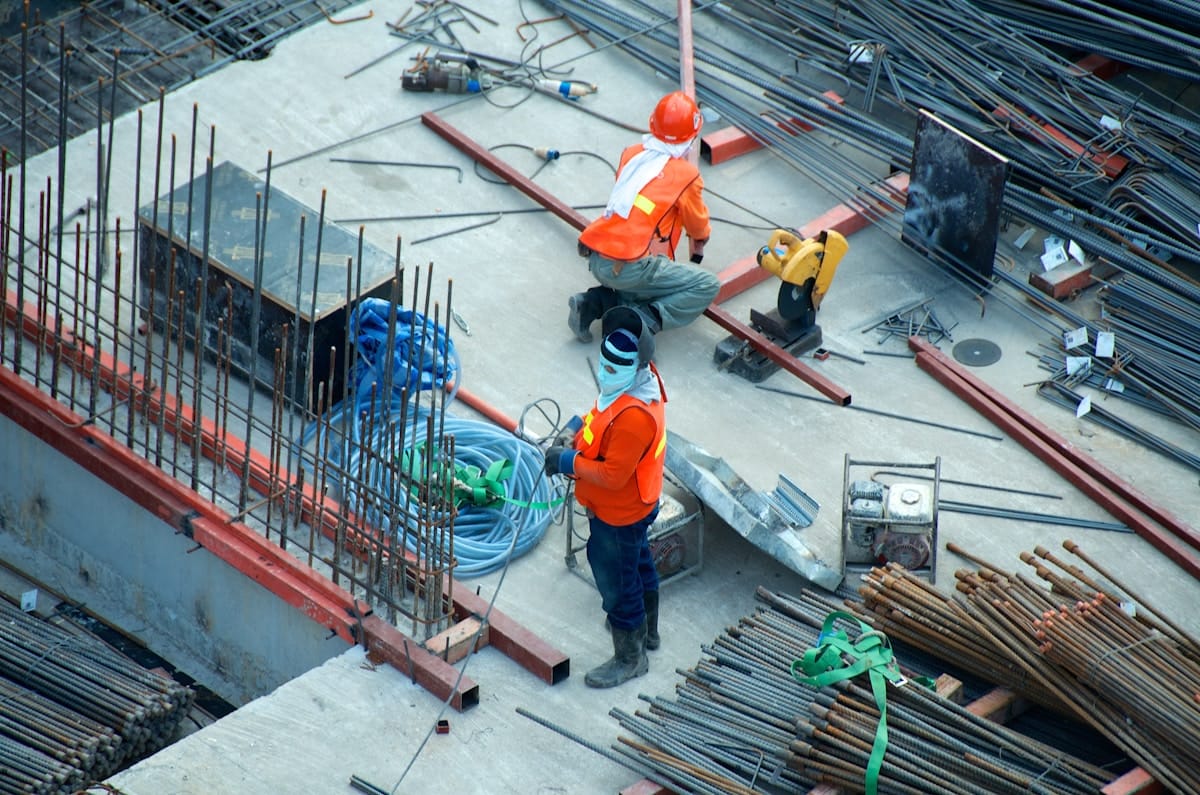
The factory will sit on a 230,000-square-metre plot at the Lusopark business cluster on the Aveiro side of the country, with a four-floor built footprint of 48,753 square metres. The unit's industrial mission is the maintenance and repair of aircraft engines and engine components — high-value, certified-parts work that supplies airlines across the Lufthansa network and third-party customers worldwide. Throughput at full ramp-up is expected to reach 30 tonnes of parts a day.
The investment envelope is €309 million, the single largest German industrial commitment to Portugal in the past decade and the cornerstone of the Lufthansa Group's broader strategic interest in Portugal — a country whose existing aviation cluster (TAP, OGMA, Embraer at Évora, the Beja MRO base) and aerospace-engineering pipeline at the universities of Aveiro and Porto provided the comparative-advantage case for siting the unit here rather than in Eastern Europe.
The Numbers Have Shifted Since the December 2024 Announcement
The investment-quantum disclosure has firmed up since Lufthansa Technik first announced the project in December 2024. At that point the headline figure was 700 jobs by full ramp; the company has since revised the direct-jobs target to 526 positions by 2030, with the larger 700 number representing total ecosystem employment including suppliers, service contractors and the on-site training centre. The training centre — a separate building scheduled for construction next year — will deliver the certified-aerospace-mechanic qualifications required for ground crews to enter Lufthansa Technik's production environment.
Production Timing
First production is now scheduled for 2028, with full operating capacity targeted for 2030. The two-year construction window from summer 2026 to mid-2028 reflects the precision-clean-room requirements of engine MRO work — air-handling systems, vibration isolation, and the chemical-handling permits required for engine-cleaning solvents are not the kind of building you can rush.
What This Means for the Local Labour Market and Foreign Residents
- For Aveiro-district professionals in mechanical, materials and aerospace engineering, Lufthansa Technik will open its first hiring window in late 2026 ahead of training-centre operation. Recruitment is run from the Lufthansa Technik Portugal subsidiary already operating in Cascais.
- For foreign residents with Part-66 EASA aircraft-mechanic certifications, the German parent has stated that licensed engineers will be hired on European-market wage benchmarks, not Portuguese ones — a feature that has been hard to find in Portuguese aviation MRO until now.
- Industrial property in the Lusopark and Vouga-Mar corridor has already moved on the announcement; the spillover into supplier rentals (precision machining, calibration, surface treatment, NDT inspection) is the next leg.
- The construction-phase contractor is being procured under an EPCM model, with bids open to the major Iberian construction groups (Mota-Engil, ACS-Hochtief, Acciona) plus selected German engineering houses.
- The political read: the Pedro Reis-led Ministry of Economy presented the DIA approval as separate from the TAP privatisation file, even though Lufthansa is a candidate bidder. Brussels-side competition review of the Lufthansa-Technik state-aid component remains open.