IPMA Puts 11 Continental Districts Under Yellow Warning Tuesday for Showers, Hail and Thunderstorms — Central Açores Group Already Under Active Rain Notice on Monday Afternoon
The Instituto Português do Mar e da Atmosfera issued an updated warning bulletin late Monday placing eleven mainland districts under aviso amarelo for Tuesday, 28 April 2026 — coverage that runs from the early-afternoon convective window at noon...
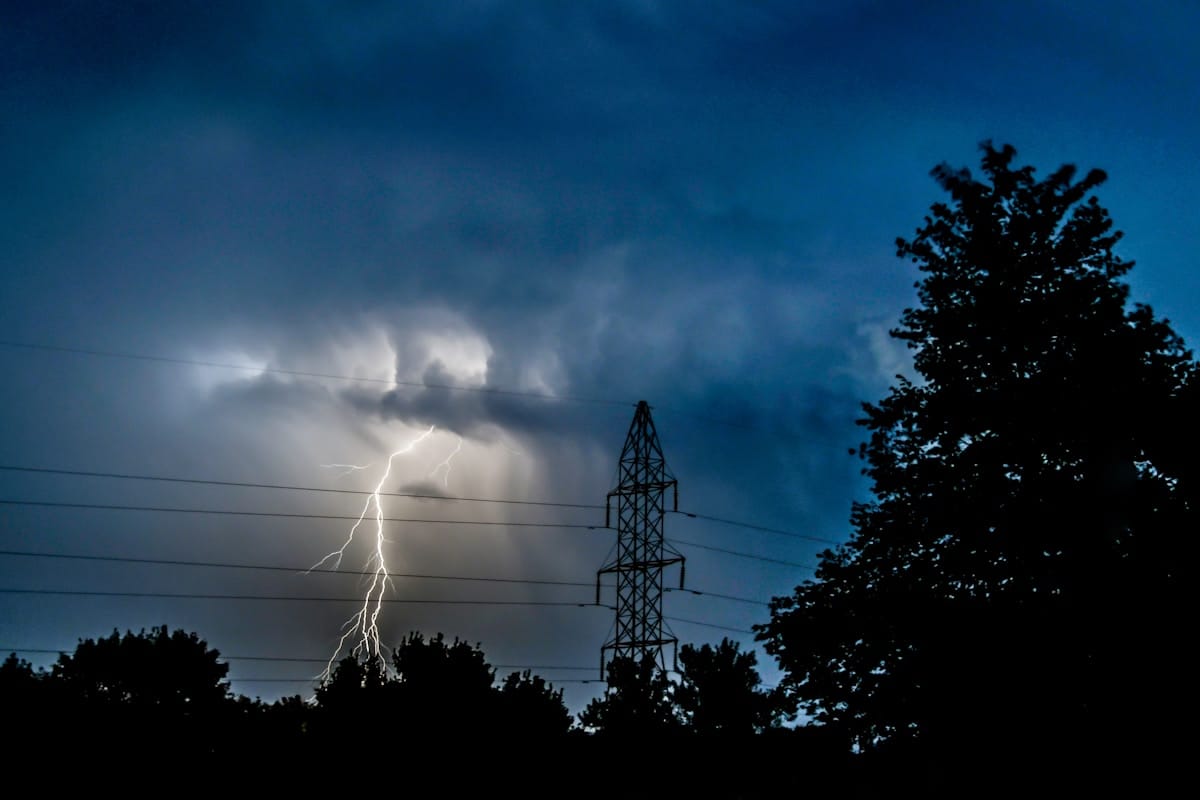
The Instituto Português do Mar e da Atmosfera issued an updated warning bulletin late Monday placing eleven mainland districts under aviso amarelo for Tuesday, 28 April 2026 — coverage that runs from the early-afternoon convective window at noon through the dispersal point at 21:00 local time. The Central group of the Açores archipelago has already been under an active rain warning since Monday morning.
The eleven districts named on the bulletin are Bragança, Viseu, Évora, Guarda, Santarém, Castelo Branco, Coimbra and Portalegre — the new entrants for Tuesday — added to Vila Real, Viana do Castelo and Braga, which were already under warning from the Monday morning briefing. The pattern points to two distinct precipitation cells: a North-and-Centre interior system pushing eastward across the Spanish border, and a South-Tagus column reaching down into Évora and Portalegre.
What the yellow warning actually means
IPMA's four-tier warning scale — green, yellow, orange, red — uses yellow to flag a meteorological situation that carries a moderate risk for normal activities but is not, in itself, dangerous. The technical thresholds for a yellow showers-and-thunderstorm warning are convective precipitation rates of 10 to 20 millimetres per hour, gusts of 70 to 90 kilometres per hour at the leading edge of the cells, and a non-zero probability of small-diameter hail and ground-strike lightning.
Translated into operational terms, that means surface flooding around blocked storm drains, intermittent visibility on the A23 and A25 motorways through the Beira interior, the risk of falling branches on the older urban tree canopy, and disruption to outdoor leisure activities scheduled in the warning window. The agency advises against any electrical work outdoors during active thunderstorm cells and recommends moving moored small craft to inland berths in the Centre.
The Açores picture
The Central group — Faial, Pico, São Jorge, Graciosa and Terceira — sits under a separate yellow warning that activated Monday and runs through the Tuesday morning peak. The configuration there is more typical of the late-spring frontal pattern: an Atlantic depression sliding south across the islands rather than the convective interior pattern that drives the mainland warning. Précipitation totals on the Açores yellow track typically run 15 to 30 millimetres in 24 hours rather than the high-intensity short bursts mainland forecasters are flagging.
Context inside a warmer-than-normal corridor
The Tuesday warning is set against IPMA's seasonal-outlook bulletin published on 24 April that flagged above-normal temperatures across continental Portugal until 17 May, with the Algarve as the only mainland exception during the week of 27 April to 3 May. The convective pattern driving Tuesday's warning is consistent with that outlook — warm afternoon air over the Iberian interior building cloud columns that release as showers, hail and lightning when the diurnal heating peaks.
For residents the practical guidance is straightforward: check the IPMA website (ipma.pt) before any interior driving on Tuesday afternoon, avoid open spaces during active thunderstorm cells, and keep an eye on the SMS-Alerta system for any escalation to orange. The warning will not extend into Wednesday on current modelling — the cells are forecast to clear east overnight, leaving Wednesday morning under the more settled westerly flow that has dominated the past fortnight.