Inflation Creeps Higher: Food Prices and Rents Squeeze Portuguese Households
Consumer prices rose 2.1% in February as unprocessed food jumped 6.7% and rents climbed 5.2%, placing Portugal above the Eurozone average and squeezing household budgets.

Portugal's consumer price inflation accelerated to 2.1% in February 2026, up from 1.9% in January, driven by surging food costs and persistently rising rents — a combination that is putting increasing pressure on household budgets across the country.
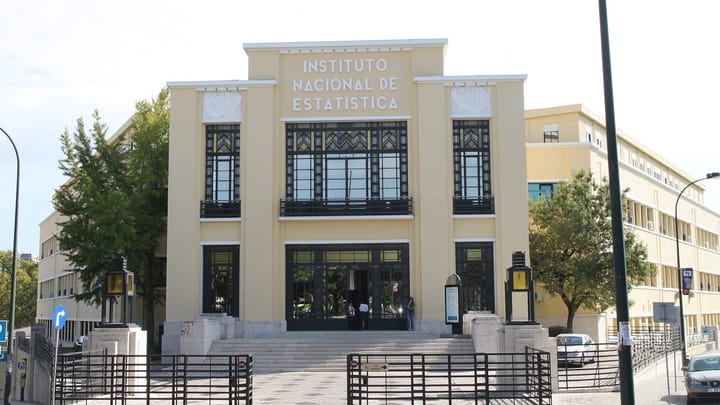
The figures, confirmed by Portugal's National Statistics Institute (INE), place the country slightly above the Eurozone average of 1.9% and mark a reversal from recent years when Portuguese inflation typically ran cooler than its European neighbours.
Food: The Biggest Pain Point
Unprocessed food prices jumped 6.7% year-on-year in February, accelerating from 5.8% the prior month. The surge is tied to severe weather damage that hit greenhouses and farms across the country earlier this year, forcing greater reliance on more expensive imports.
Processed food also climbed, rising 1.0% compared to 0.8% in January. For Portuguese families already navigating tight budgets, the weekly trip to the supermarket is getting noticeably more expensive.
Rents: No Relief in Sight
Housing rents increased 5.2% annually, continuing a multi-year trend that has made affordability one of the most politically charged issues in the country. The government's recently announced six-pillar rental reform plan aims to address the crisis, but meaningful results are unlikely to materialise for months — if not years.
Services tied to accommodation and restaurants also pushed prices higher, reflecting robust domestic demand and the ongoing recovery of Portugal's tourism-dependent economy.
Energy: The Lone Bright Spot
Energy prices fell 2.2% year-on-year, providing a partial offset to food and housing inflation. Despite Middle East tensions and oil price spikes to nearly $120 per barrel earlier this month, favourable supply contracts and delayed transmission of international oil shocks into retail prices have kept energy deflation intact — for now.
However, geopolitical volatility could reverse this quickly. The European Central Bank's meeting on 19 March may offer clarity on whether interest rate policy shifts in response to energy risks.
How Portugal Compares to Europe
Portugal's Harmonised Index of Consumer Prices (HICP) matched the headline CPI at 2.1%, sitting 0.2 percentage points above the Eurozone estimate. However, core HICP — excluding food and energy — came in at 2.0%, still below the Eurozone's estimated 2.3%.
This suggests that Portugal's inflation overshoot is concentrated in food and housing rather than broad-based demand overheating. Still, the convergence matters: historically, Portugal gained export competitiveness through lower inflation than the Eurozone average. With that differential now near zero, maintaining market share will require productivity gains rather than price advantage.
What to Watch
The ECB meeting on 19 March is the next key date. President Christine Lagarde has signalled readiness to act if Middle East tensions spike energy costs further. For Portugal specifically, the trajectory of food prices — heavily dependent on weather patterns and import costs — and the rental market will determine whether inflation continues to drift higher or stabilises.
For now, the message for Portuguese households is clear: budget carefully, particularly on groceries and housing.