INE Trade Print Flips to a 1.5% Export Drop in May 2026 After April's +15.5% Spike — Deficit Narrows to €2.234 Billion as Imports Slide Harder Than Sales
Portugal's monthly trade tape lost its momentum in May. The Instituto Nacional de Estatística (National Institute of Statistics) reported that exports of goods contracted 1.5% year-on-year and imports fell 3.4%, a reversal of the +15.5% export jump...
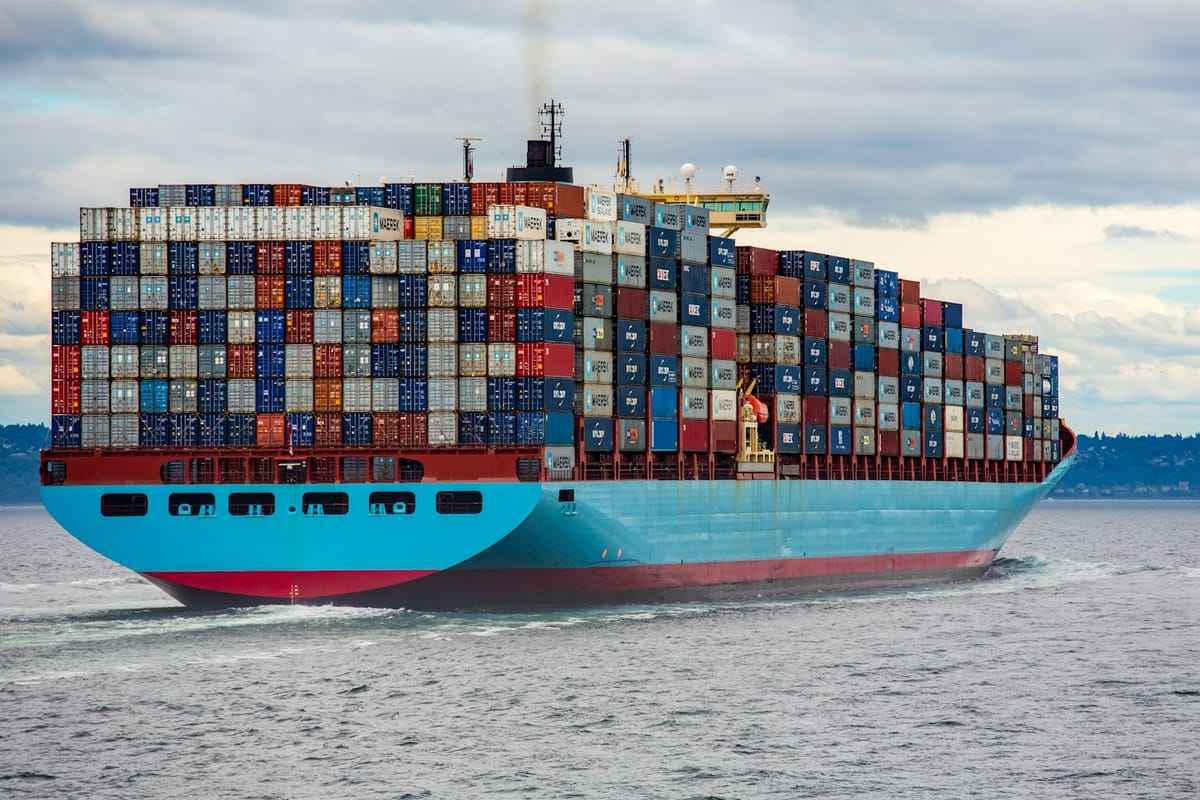
Portugal's monthly trade tape lost its momentum in May. The Instituto Nacional de Estatística (National Institute of Statistics) reported that exports of goods contracted 1.5% year-on-year and imports fell 3.4%, a reversal of the +15.5% export jump booked in April 2026 — itself the strongest reading since July 2024. The deficit on the balança comercial de bens (goods trade balance) narrowed to €2.234 billion in May, against €2.883 billion in April, because the import slide ran ahead of the export drop.
The April-to-May swing is sharp enough to reset expectations for the second quarter. Through the first four months of 2026 the headline tape ran hot, and the April release alone added €149 million to the deficit's year-on-year improvement on the back of fuel re-exports and stronger machinery shipments. The May print pulls that narrative back: the homólogo (year-on-year) base effect that flattered April has now flipped, and the unit-value index that lifted prices 3.2% in April will be tested when the May breakdown lands later this month.
The combustíveis (fuels) line again steers the print. Portugal's refined-products and energy-related re-exports are large enough to move the headline by more than a percentage point in either direction, depending on the month's run rate at Sines and Matosinhos and on the timing of cargoes. Stripping the fuel carve-out usually leaves a cleaner read on industrial demand — and the early indicators from the Banco de Portugal's daily activity indicator already pointed to slower momentum after the 3 June general strike, which dragged the daily print to -5.1%.
The broader European picture matters here. Germany's industrial production has decelerated through Q2 and Spain's domestic demand has softened, which compresses the absorption capacity of Portugal's two largest export markets. INE's annual classification has Spain absorbing roughly 25% of Portuguese goods exports and Germany another 11%; together they carry enough weight to flip the homólogo sign of the headline if either market cools.
For the policy mix, the May print sits awkwardly. The Ministério das Finanças (Ministry of Finance) is wrapping Orçamento do Estado 2027 (State Budget 2027) inputs around a base-case assumption that the current account will tighten over the second half of the year. A weak export print thins the cushion. The Banco de Portugal's December projections — 2% growth this year and 2.3% in 2026 — were already at the upper end of consensus; a sustained contraction would force a revision when the next Boletim Económico (Economic Bulletin) prints.
The market read is contained for now. Sovereign-debt spreads to bunds held inside the band that prevailed before the ECB's first rate hike since 2023, and IGCP placed €1.078 billion in its 10 June twin-maturity auction with healthy demand. But the trade tape is one of the few real-time signals on whether the export-led growth story still holds. A second consecutive contraction in June would tip the H1 average into negative territory and pressure the official 2026 GDP forecast that anchors the budget cycle.
Detailed product and geography breakdowns drop with INE's monthly destacque later this month. Watch the auto-component line — exposed to the wider European OEM softness — and the chemicals and pharma cluster, which has carried the year-to-date gains.