INE April Trade Tape Posts +15.5% Export Lift, Strongest Since July 2024 — Fuel Pricing Drives 32% Energy Print as Spain, France and Germany Carry Industrial Supplies and the Bilateral Deficit Narrows €149M YoY
INE's April 2026 international trade release lifts Portuguese exports +15.5% YoY — the strongest pace since July 2024 — with fuels at +32%, Spain at +11.1%, France at +12.5% and Germany at +12%, narrowing the bilateral deficit by €149M.
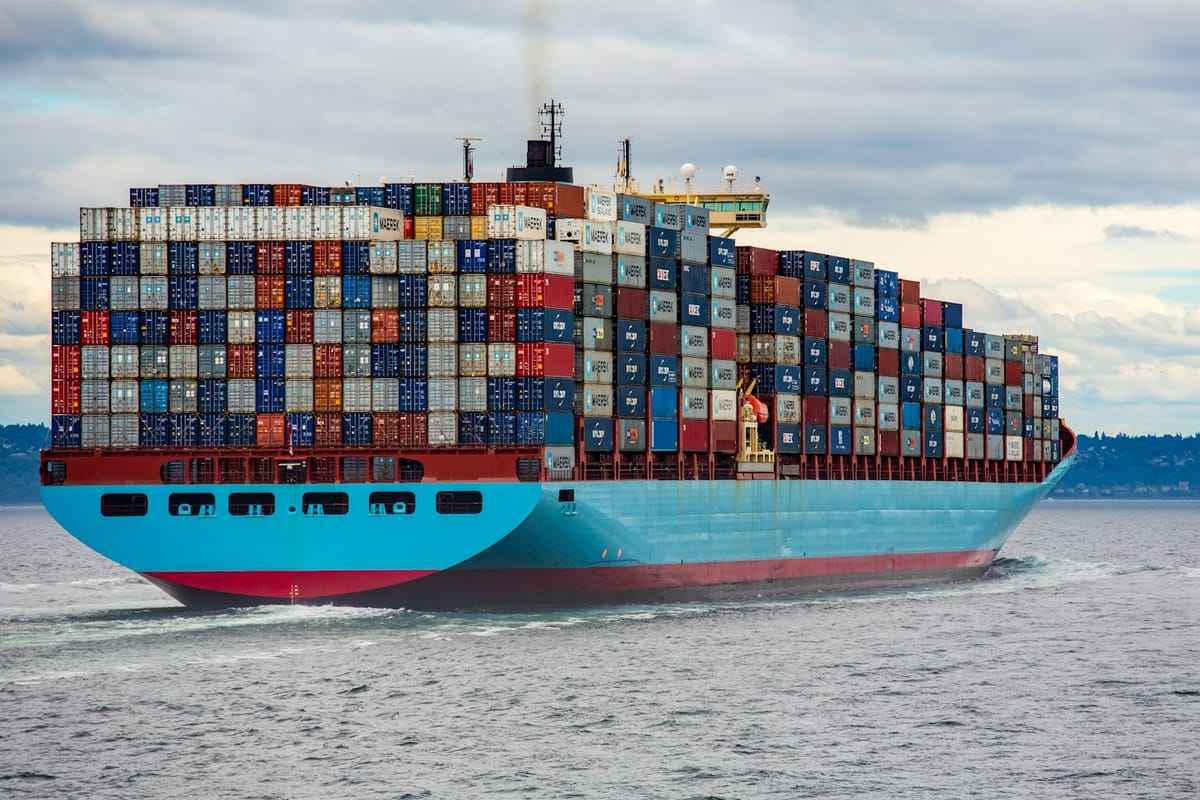
The Instituto Nacional de Estatística (INE, Statistics Portugal) released the April 2026 estatísticas do comércio internacional on Tuesday 9 June, with Portuguese goods exports climbing 15.5% year-on-year — the strongest pace since July 2024's +23.1% print. Imports decelerated to +8.9% from March's +12.3%, narrowing the bilateral commercial deficit to €2.883 billion (an improvement of €149 million versus April 2025 and €24 million versus March). Stripped of the transferências de tipo equiparado a exportações (TTE), the export print pushes higher still at +16.9% — and excluding fuels and lubricants, exports rose 14.3% with imports at +6.3%. That gap is the analytical centre of the release: the real economy is exporting faster than it is importing for the first time since the post-pandemic capital-goods surge unwound.
The fuels mechanic — and what it conceals
The headline +15.5% leans heavily on the +32% fuels and lubricants line, where the decomposition shows the entire move is price (+30.2%) rather than volume (+1.4%). The Galp Sines refinery, the country's only operating crude run, is a price-taker on Brent and Urals, and the April refined-product export book reflects the spring tightness in European middle distillates more than any domestic supply expansion. Excluding the fuels print, the underlying export momentum still clears 14.3% — which means industrial supplies, machinery and consumer goods are doing the analytical work the energy line is signalling. The bilateral deficit narrowing of €149 million should therefore be read as a non-fuel story; the fuel-trade swings on price are largely a wash on either side of the ledger over a year, and the €1.7 billion April deficit excluding fuels is the structural number to track.
Iberia first, then Germany — the geography of the lift
Spain absorbed the largest absolute share of the increase, up 11.1% on industrial supplies — the supplier-relations data points to automotive parts, paper and pulp, and bulk chemicals as the dominant flows. France contributed +12.5%, with machinery and industrial supplies again the dominant categories — the Airbus subcontractor chain through Embraer-Évora and the Bosch automotive cluster are the structural anchors of that bilateral. Germany rounded the major economies at +12%, with machinery, consumer goods and industrial supplies in roughly equal share — a profile consistent with the Volkswagen Autoeuropa export book and the textile and leather cluster in the Norte. The only material drag came on the import side from Ireland (−79.1%), reflecting a step-down in Irish chemical-product and subcontracting imports that had inflated the comparable base in April 2025.
The trade balance signal for GDP
The Banco de Portugal's June 2026 Boletim Económico — released the same week — pencils 2026 real GDP at +1.7%, with net exports moving from a 0.5 pp drag in 2025 to a small positive contribution in 2026 only if the export-volume momentum visible in this April print sustains through the summer. The June 2026 Boletim wage-compression analysis and the +1.7% growth call both rest on Portuguese industry running the second half of 2026 at the export tempo today's tape implies. The April reading is the first data point that supports that scenario. Two consecutive months of double-digit export prints — May data lands in early July — would let the BdP's net-export thesis carry through to the autumn projections without revision.
What This Means for Expats
- Industrial-sector employees: The Norte and Centro export clusters — Autoeuropa, the Aveiro ceramics belt, the Braga and Famalicão textile-and-footwear corridor — are the operational beneficiaries of the April lift. Wage and overtime conversations in those regions for Q3 enter from a stronger position than the May payroll reads suggested.
- EUR-denominated savers and mortgage holders: Sustained net-export momentum strengthens the case for the ECB holding rates higher for longer through 2026, reinforcing the 12-month Euribor reset path embedded in most Portuguese variable-rate housing-credit indexations.
- Investors holding Portuguese equity: The PSI's industrial-export names — Navigator, Semapa, Mota-Engil, Sonae — see the strongest direct read-through. The April tape gives the Q2 earnings commentary an external-demand backdrop the management teams can lean into.
- Currency-watchers on the GBP-EUR pair: Portugal's trade dynamics matter less than the eurozone aggregate, but the April Iberian export print (Spain logged a parallel acceleration) is one of the inputs the ECB Council is weighing as the rates-path review tightens through the summer.
The +15.5% headline is, on its own, a single-month print with an outsized fuels-pricing footprint. The +14.3% ex-fuels reading and the synchronised Spain–France–Germany pulls are what make Tuesday's release the first clearly positive trade datapoint of 2026 — and the one the Banco de Portugal will be watching most closely as the June Boletim's net-export thesis goes into operational test. On the footwear side of the export account, the first-half figures for Portuguese footwear exports sets out the 813 million euro half, the sharper falls in Italy, Spain, China and Brazil, and the 28.25 dollar average price per pair that keeps Portugal second in the world behind Italy alone.