Health Ministry Opens a €50 Million Competitive Grant for Hospital Emergency Departments — Psychiatric Urgência Made the Top Priority, Every Build-Out and Equipment Order Has to Close by End of 2027
Nelson Garrido has put a €50 million envelope on the table for hospital emergency-department upgrades, with psychiatric urgências named as the priority area. SNS hospitals will compete for slices through a candidatura process; everything must be delivered by end of 2027.
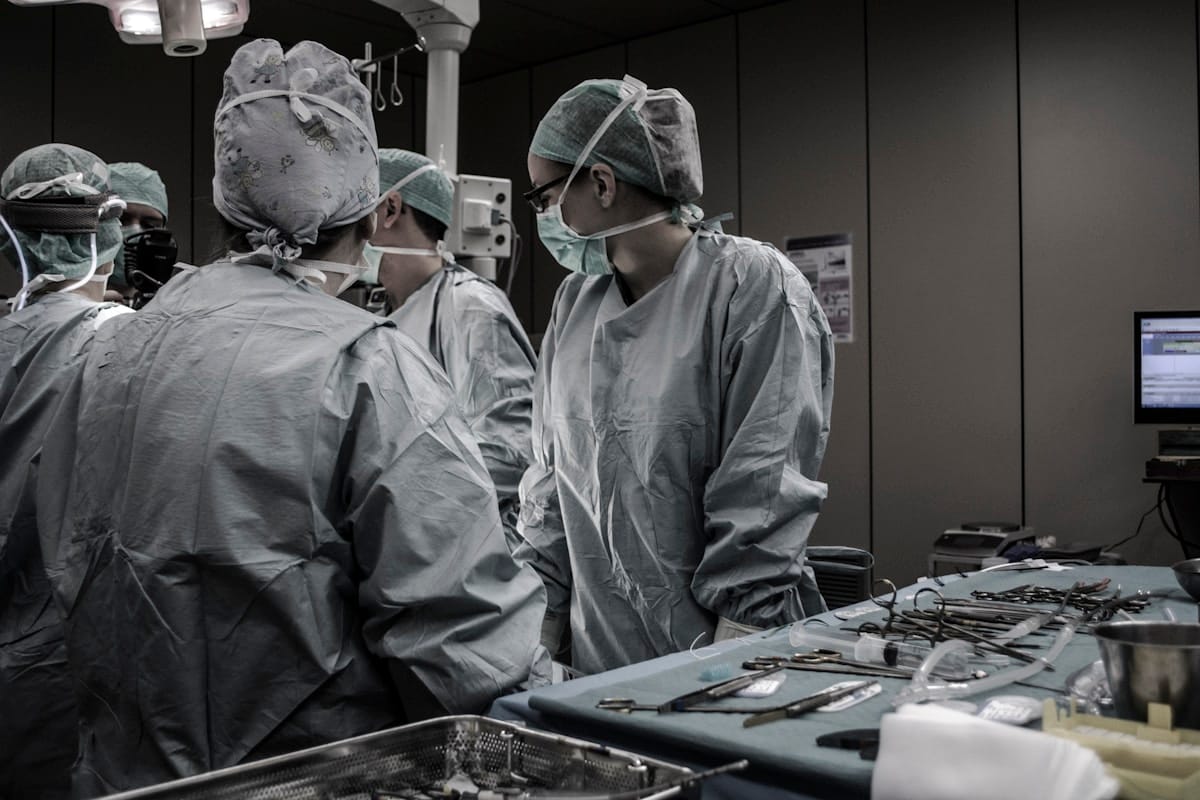
Health Minister Nelson Garrido has opened a €50 million competitive grant line aimed at the part of the Serviço Nacional de Saúde the country has spent the past 18 months arguing about: hospital emergency departments. The decision, reported by Público on Monday, replaces the older model of automatic ministerial allocations with a candidatura process in which SNS hospitals will have to apply for slices of the envelope and demonstrate the case for capital works and equipment they want funded. Psychiatric urgências have been declared the priority area for the entire programme.
What the €50 million covers
The funding line covers physical works — building reconfigurations, ward upgrades, observation areas, new clinical layouts — and medical equipment for both general emergency departments (urgências gerais) and psychiatric emergency departments (urgências psiquiátricas). The Ministry frames it as a one-off requalification programme to close out a long-standing infrastructure debt: at the announcement, Garrido said that some emergency areas in SNS hospitals "have not seen works in more than 30 years."
The hard deadline is the part that will shape who wins. All interventions must be completed by the end of 2027 — which, given Portuguese public-procurement timelines and the lead time required for medical-equipment orders, leaves successful applicants effectively a single full procurement and construction cycle to deliver. Hospitals that already have shovel-ready projects on their books and equipment lists already drafted are favoured by design; those still at the masterplan stage are not.
Why psychiatry is the priority
The psychiatric urgência has been a particularly weak link in the SNS for years. Most general hospitals lack a separate triage, observation and short-stay psychiatric area that meets current professional standards: patients in acute mental-health crises are seen in general urgências, often in physical environments that are not therapeutic and that increase agitation. The Ordem dos Médicos and the Sociedade Portuguesa de Psiquiatria e Saúde Mental have both flagged the gap repeatedly in their annual reports, and the country's high consumption of psychotropic medication — covered separately in last week's INE indicators on the use of psicofármacos in Portugal — has put political pressure on the Ministry to at least fix the entry point.
Designating psychiatry as the priority means hospitals proposing dedicated psychiatric-emergency build-outs go to the top of the funding queue. The implicit signal is that by the end of 2027, every regional hospital should have a recognisably modern psychiatric urgência integrated into its broader emergency department.
What it changes about how the SNS gets capital
The competitive-grant model is the more political part of the announcement. For most of the past two decades, capital improvements at SNS hospitals were financed either through bilateral negotiation between the Ministry and individual hospital boards, or through periodic blanket programmes that distributed funds by formula. Forcing hospitals to compete shifts power towards those with stronger administrative capacity to write good applications — the larger university hospitals — and away from smaller district units that have historically relied on ministerial discretion. The Ministry argues the model produces better-justified investment and faster execution, but it will be tested in the months ahead by hospitals less able to mount competitive bids.
It also lands inside the broader SNS emergency requalification programme the Ministry has been rolling out this month, of which the €50 million line is the capital-works component. The companion measures — including reform of urgência staffing rules and the contractualisation framework with the social and private sectors — are advancing in parallel through the Conselho Económico e Social and the negotiation tables with the medical unions.
The timeline ahead
The candidatura window will open shortly, with the Ministry expected to publish detailed criteria — eligibility, scoring, equipment categories, build-out scope — in a regulatory dispatch. Hospitals are likely to coordinate with the regional ARS administrations on which projects to submit. Selection should be completed in time for procurement to begin in the second half of 2026, putting most of the construction phase into 2027 and pushing equipment commissioning to the very end of the deadline.
If the programme works as designed, by the start of 2028 every SNS hospital that submitted a credible application will have a refurbished general urgência and — crucially — a functional psychiatric one. If it does not, the Ministry will have spent its capital programme on the hospitals that needed it least, and the political case for the competitive model will be that much harder to defend at the next election.
The Portugal Brief’s reporting on free walk-in HIV and hepatitis screening at AML pharmacies sits alongside this piece. On who pays when a non-resident walks into a Portuguese emergency department, what the health inspectorate wants to change about paying for emergency care sets out the IGAS recommendations on charging at the door, the 2024 survey that found 92,189 non-residents treated in nine months with 49.3 percent carrying no cover, and the 115, 88 and 52 euro tariffs fixed by Portaria n.º 274/2026/1.